
Vandaag of morgen in huis

Kwaliteit gegarandeerd

Welkomstaanbiedingen ontgrendelen: GRATIS bezorging | Tot 80% korting | Gratis 30 dagen JoyPlus-proefperiode
Download de app
A newborn baby needs very few care products. Yet the bathroom quickly fills up with baby cream, baby body lotion, baby wash gel, bubble bath and soap. The difference between products isn't just about scent or packaging. The ingredients, how you use them, and whether they suit your baby's skin all play a part.
When you buy baby care products, you often come up against three common pitfalls:
A baby's skin is delicate and can react to ingredients that are fine for adults. When choosing a baby wash gel or soap-free baby wash, look for terms like soap-free, pH-skin-friendly and any fragrances.
“Dermatologically tested” means a brand states that the product has been assessed under dermatological supervision. It is not a guarantee that every child will tolerate the product without issue. According to product information from brands including Zwitsal and Johnson’s, several variants are dermatologically tested. Always check the label before purchase, as formulas can change.
A scented baby soap or baby bubble bath may smell lovely, but fragrance is not an essential product feature. For sensitive skin, a fragrance-free or lightly scented option can be more practical.
Not every product has the same function:
Don't introduce several new products at once. If the skin changes, it becomes harder to work out which product might be linked to it.
A large pack may seem good value, but it's only practical if you use the product within the recommended period. Check the symbol for shelf life after opening and follow the instructions on the packaging. Close pots and bottles properly and store them in a cool, dry place away from direct sunlight.
A tube is handy for hygienic dispensing. With a pot, it's wise to use clean hands or a clean spatula to take out the product. Also look at the volume: 200 ml is suitable for regular use without building up a large stock straight away; multipacks can be more economical for families who already know and tolerate a product well.
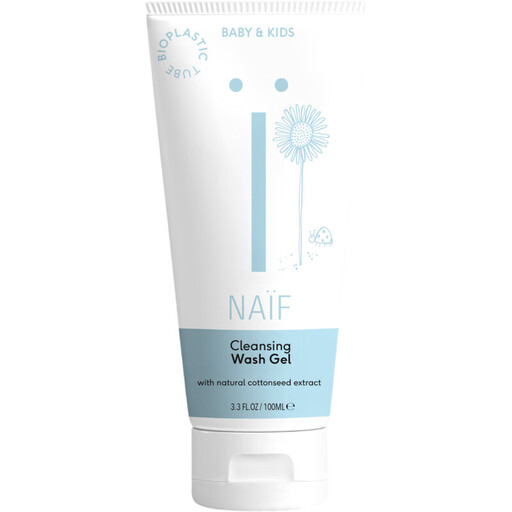
Why this fits the profile: A straightforward choice for parents looking for one product for shower and bath for babies and children.
The product information states that the wash gel is soap-free and contains no SLES or microplastics. Check the current ingredients on the packaging.
200 ml, for bath and shower, with glycerine and cotton extract according to the product description.
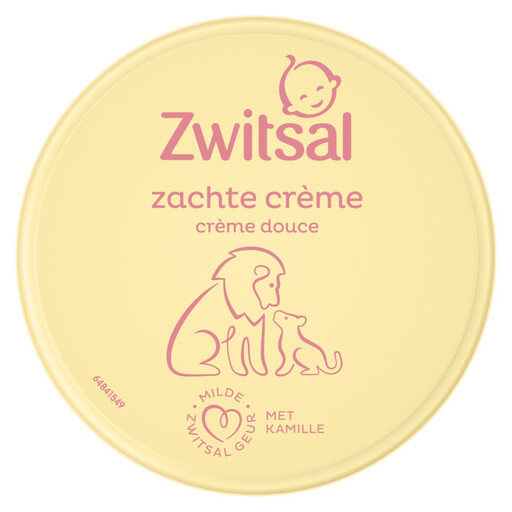
Why this fits the profile: Suits parents who want a richer cream for face and body after bathing.
The description mentions pH-skin neutrality, vitamin E and dermatological testing. The formula contains fragrance; bear this in mind for sensitive skin.
200 ml, cream formula, suitable for face and body according to the product information.
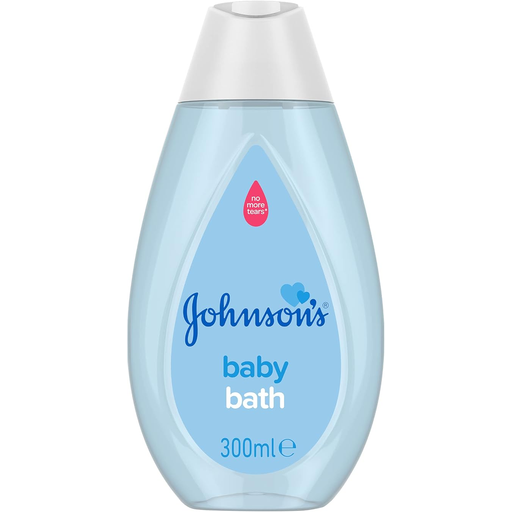
Why this fits the profile: Handy for families who bathe together regularly and want a product with foam.
According to the product description, it contains no colourants, parabens, sulphates or phthalates. The “No More Tears” claim is a brand claim; avoid contact with the eyes.
300 ml, bubble bath and wash in one, pH-balanced according to the product information.
For a baby bath, use lukewarm water and always keep your child within arm's reach. When using bubble bath or bath oil, only add the amount stated on the packaging. With an oil-based product, the bottom of the bath can become slippery.
Apply a baby cream or baby body lotion thinly to clean, dry skin. When trying a new product, first test a small amount on a limited area of skin. Stop if you see redness, itching or swelling, and if symptoms persist, seek advice from a doctor or pharmacist.
Want natural baby care? Don't just look at words like “natural” or “organic” – also check certification marks, ingredients, fragrance and the specific usage instructions. Weleda Calendula Relax Cream Bath, for example, lists natural ingredients and a NATRUE label according to the product description. The relaxation and sleep claims mentioned are based on Weleda's own research and should not be taken as proven effects.
We've put together a full, up-to-date list of products that fully meet these strict selection criteria and comply with current European safety regulations.
It depends on age, skin type and daily activities. A full bath usually isn't needed every day. Clean visible dirt as needed and use a gentle baby wash gel when necessary. For newborns, follow the advice of your midwife, health visitor or doctor.
No. For normal skin, body lotion isn't automatically needed after every bath. If the skin feels dry, a thin layer of baby body lotion or baby cream can be useful. Introduce one new product at a time and see how the skin responds.
Check the symbol of the open jar and the instructions on the packaging. The shelf life varies from product to product. Make a note of the opening date if you like, close the packaging properly, and don't use a product if the smell, colour or texture changes noticeably.
