
Vandaag of morgen in huis

Kwaliteit gegarandeerd

Welkomstaanbiedingen ontgrendelen: GRATIS bezorging | Tot 80% korting | Gratis 30 dagen JoyPlus-proefperiode
Download de app
Parents often buy several baby care products at the same time: baby wipes, bath products, nappies and sometimes a baby carrier or breast pump. However, eye-catching packaging says little about whether a product is suitable for everyday use. The right choice mainly depends on the ingredients, material, size, ease of use and safety information.
Words such as gentle, natural or suitable for sensitive baby skin are not enough to assess a product. Check the full ingredients list on the packaging. Pay particular attention to fragrance, colourants and any ingredients your child has reacted sensitively to in the past. For example, a soap-free formula may feel pleasant to use, but it does not automatically mean that it contains no fragrances.
A multipack is only economical if you actually use the product. Babies quickly grow out of nappies and may react to certain care products. When trying a new brand, start with a smaller pack. With baby wipes, it is also important that the packaging can be resealed properly so that the wipes do not dry out.
“Plastic-free” may refer to the wipe rather than the entire package. So check the description carefully: is only the fibre described as plastic-free, or does this also apply to the packaging? Always dispose of wet wipes for babies with general waste. Even wipes made with a biodegradable fibre should not be flushed down the toilet.
For everyday cleaning, a short, clear ingredients list and suitable usage instructions are practical. If your baby has sensitive skin, you may wish to choose fragrance-free baby wipes or wipes with a high water content. Stop using the product if redness or irritation occurs, and seek advice from a doctor or pharmacist if symptoms persist.
With baby bath oil, baby shampoo and baby shower gel, check:
A product description is no guarantee that every child will tolerate the product well. Always follow the manufacturer’s instructions.
With plastic-free baby products, the wipe itself may be made from plant-based fibres, while the fastening or packaging still contains plastic. So check exactly what has been certified or specified. OEKO-TEX is mentioned for some products. According to the relevant manufacturer’s product information, this refers to certification of the material or product; it is not a general guarantee for every usage situation.
With a baby carrier, the carrying weight, adjustability, fastening and the baby’s position are more important than the material alone. Check that the recommended weight range is suitable for your child’s age and development. Only use a baby carrier according to the instructions, and keep your baby’s face and airways clear.
For nappies, the fit matters more than the weight shown on the packaging. A nappy that is too small may leak or feel tight; one that is too large may also fit less securely. Size 7 nappies are intended for larger, active children, but always check the size information and fit for the specific brand.
When buying multipacks, calculate the price per item. With baby wipes, for example, compare the price per wipe, moisture level and strength. For bath products, compare both the volume and how much you use per bath. A 2,000 ml bottle may seem large, but it is less practical if you use bath products infrequently or want to try out a new formula first.
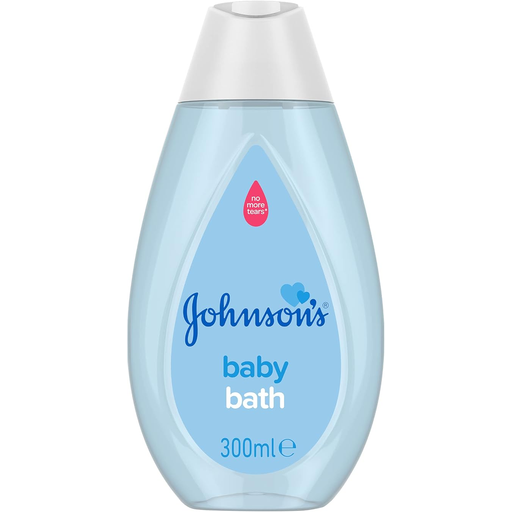
Why it suits this profile: A compact bottle is useful for trying a formula first without immediately buying a large supply.
The product information states a volume of 300 ml and provides the ingredients and usage instructions, allowing you to check in advance whether it meets your needs.
According to the product description: 300 ml, with no colourants, parabens, SLS or SLES, and use within twelve months of opening.
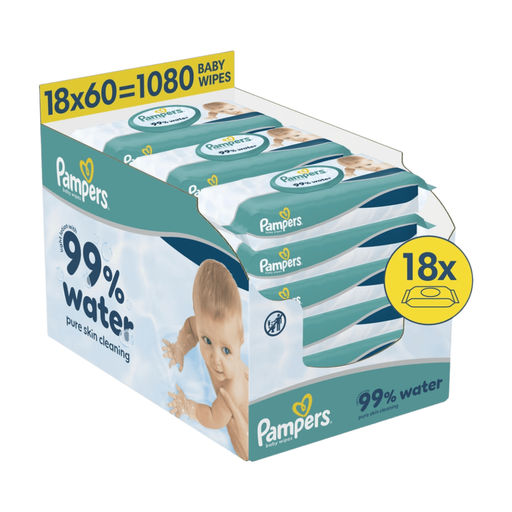
Why it suits this profile: Suitable for households that use lots of wipes and value a fragrance-free formula with a large number of wipes.
The product information states that the wipes contain 99% water, no alcohol or fragrance, and come in resealable packaging. However, check that the large supply suits both the shelf life and your usage.
18 packs of 60 wipes, fragrance-free and, according to the product description, made from plant-based fibres with no plastic in the wipe itself.
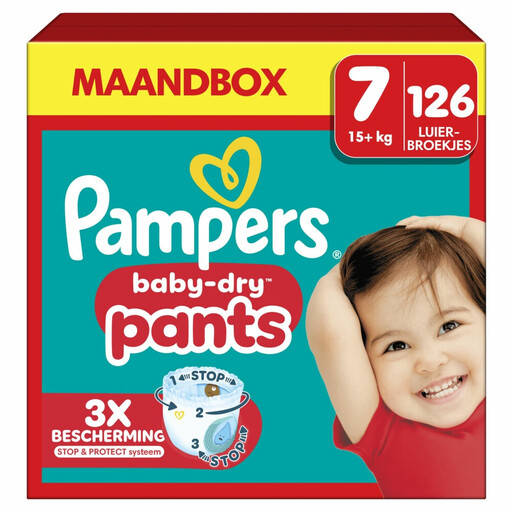
Why it suits this profile: A monthly pack is suitable for families with an active, larger child who still wears pull-up nappies.
The product page states size 7, a 360° flexible waistband and an absorbent core. Check the current size and fit before buying a box of 126.
126 pull-up nappies, dermatologically tested according to the product information, with an OEKO-TEX Standard 100 mention and 0% EU fragrance allergens.
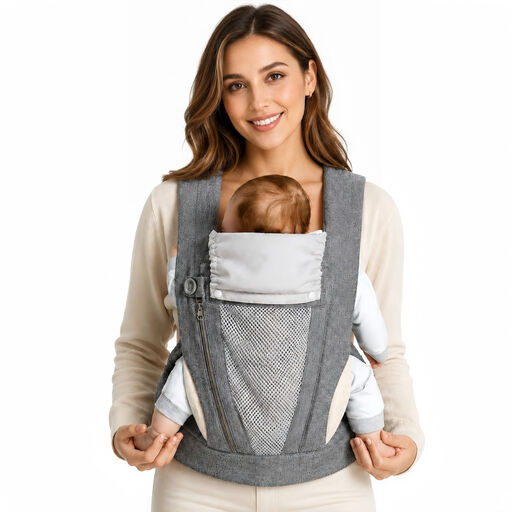
Why it suits this profile: Handy for short trips, shopping and times when you want to keep both hands free.
The stated weight range of 3.2 to 20 kg and the M-position provide clear points to check. Read the instructions and adjust all the straps before using the carrier.
According to the product name: 100% cotton, one-click buckle, M-position and X-back; suitable for 3.2–20 kg.
We have put together a complete, up-to-date list of products that fully meet these strict selection criteria and the applicable European safety regulations.
Look for fragrance-free varieties with a clear ingredients list. Baby wipes with a high water content and no alcohol or colourants can be practical, but every child reacts differently. Test a new variety on a small scale first and stop using it if irritation occurs.
This varies by product. Check the expiry date and the period after opening stated on the packaging. An opened bottle of baby shampoo or baby bubble bath should not be used indefinitely. With wipes, the seal is particularly important: an open pack can dry out more quickly.
Monthly costs depend on the number of nappy changes, how many baby wet wipes you use and how often your baby has a bath. For nappies and wipes, calculate the price per item. For bath products, consider the volume and the amount used each time. This allows you to compare different packs based on actual usage, rather than just the price on the shelf.
