
Vandaag of morgen in huis

Kwaliteit gegarandeerd

Welkomstaanbiedingen ontgrendelen: GRATIS bezorging | Tot 80% korting | Gratis 30 dagen JoyPlus-proefperiode
Download de app
Dry skin, a busy bath-time routine or a sore bottom: parents are often quick to look for a solution. But eye-catching packaging or the word “natural” can give the wrong impression. When choosing baby care, the main things to consider are the ingredients, when you’ll use the product and your child’s skin.
Watch out for these common pitfalls:
When caring for sensitive baby skin, many parents opt for a simple formula with as few unnecessary additives as possible. In particular, check whether a product contains fragrance if your child is quick to react to scents. A product without colourants or with a short ingredients list may be easier to assess, but that alone doesn’t mean it’s suitable for every skin type.
When choosing natural baby care, it’s important to look beyond a certification mark or botanical name. For example, according to the product information, the Weleda Calendula range contains natural ingredients and fragrance components such as lavender, neroli, calendula or camomile. This may suit parents looking for a scented bath-time routine, but a fragrance-free option may make more sense if you’d rather avoid perfume.
A baby lotion or baby body lotion is especially practical for larger areas of skin after washing. A thicker baby cream is better suited to dry patches on the face or body. According to Johnson’s product description, baby oil can be applied to damp skin, for example after a bath or during a massage. Use oil carefully and take care not to make the floor or bathroom slippery.
For bath time, baby bath oil and baby bath cream are alternatives to lotion. They’re added to the bath water and are designed for washing. A bath cream with nourishing oils can be lovely if you’re looking to create a soothing evening routine, while a simple wash gel may be more practical for everyday use.
For the nappy area, look for a bottom balm or nappy rash cream with a protective texture. According to product information, products containing zinc oxide, beeswax or wool wax form a layer that helps protect the skin from moisture. If symptoms persist or get worse, it’s sensible to seek advice from your GP or health visitor.
A tube is handy for hygienic dispensing and taking with you. A 200 ml tub can be practical for frequent use, but it’s best to scoop out the product with clean hands. A pump or bottle is useful when you need to dispense it one-handed.
Also check:
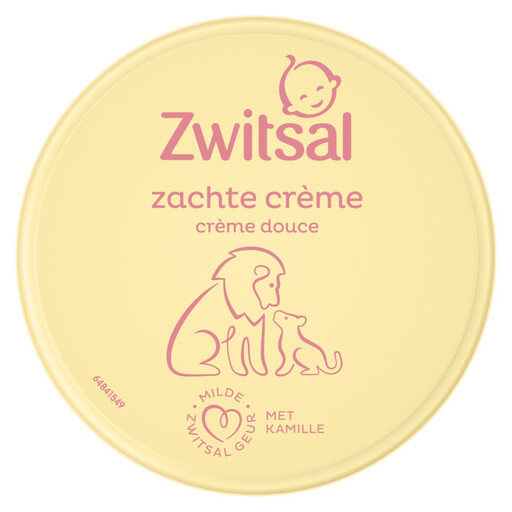
Why it suits this need: A versatile baby cream for the face and body, in a size that’s suitable for regular use at home.
The product information clearly states what it’s for, that it contains 200 ml and that it can be used on the face and body. So you won’t end up buying a specialist product for a general care routine.
According to the product description, the cream contains vitamin E, glycerine and camomile extract. The formula is described as pH-neutral for skin and dermatologically tested.
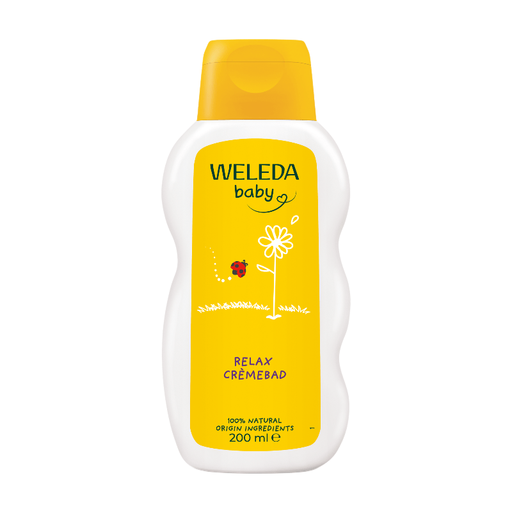
Why it suits this need: For parents who want to make bath time part of a soothing care routine, with a subtle scent of lavender and neroli.
The product description explains that the gel turns into a creamy formula in the bath water. Do check first that your child tolerates fragrance well.
According to Weleda’s product information, the formula is free from soap, microplastics, SLS and SLES, and contains natural ingredients. Size: 200 ml.
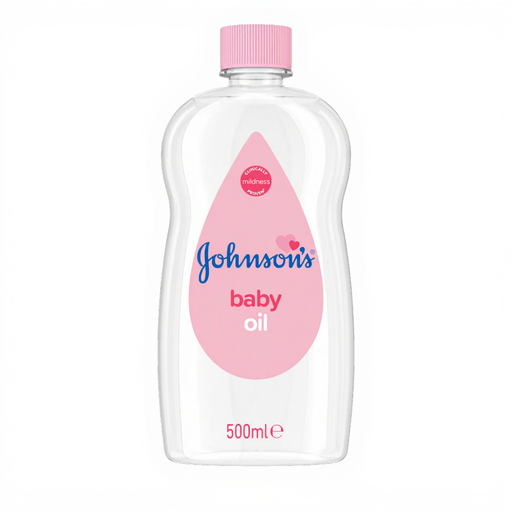
Why it suits this need: The larger size is a good fit for families who regularly use baby oil for massage or after a bath.
The instructions state that the oil is best suited to damp skin. This helps avoid buying oil expecting it to work in the same way as a lotion on dry skin.
According to Johnson’s product information, the oil contains paraffinum liquidum, isopropyl palmitate and fragrance. The bottle contains 500 ml and is intended for uses including massage and after-bath care.
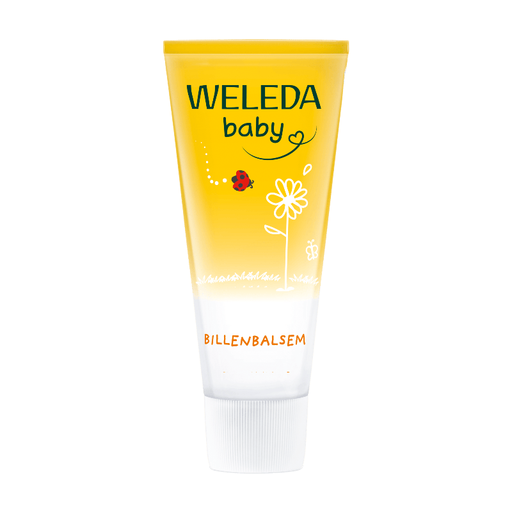
Why it suits this need: For parents looking for a separate protective balm for everyday care of the skin under the nappy.
The product information clearly states that it’s for the nappy area. This means you won’t use a general body lotion somewhere that calls for a protective balm.
According to Weleda, the balm contains ingredients including zinc oxide, beeswax, wool wax, calendula and camomile. It comes in a 75 ml size, and the brand describes the formula as natural.
We’ve put together a full, up-to-date list of products that meet these strict selection criteria and the applicable European safety regulations.
For most routines, a mild cleanser, a lotion or cream for dry patches, and a bottom balm for the nappy area are enough. Baby oil or bath oil is an extra, and is especially useful if you give your baby a massage or enjoy a soothing bath-time routine.
It depends on how you’ll use it. Lotion is usually easy to spread over larger areas of skin and, according to the product description, absorbs quickly. Baby oil is often used on damp skin or for massage. Always check the ingredients, especially if the product contains fragrance.
Follow the use-by date and the period-after-opening guidance on the packaging. Close tubs and bottles tightly, store them somewhere dry and out of direct sunlight, and don’t use a product if its smell, colour or texture has clearly changed.
