
Vandaag of morgen in huis

Kwaliteit gegarandeerd

Welkomstaanbiedingen ontgrendelen: GRATIS bezorging | Tot 80% korting | Gratis 30 dagen JoyPlus-proefperiode
Download de app
Baby care is about more than a soft scent and pretty packaging. Parents want products that suit their child’s age, the occasion, and their sensitive skin. At the same time, it can be tricky to judge marketing claims. A shampoo for daily use, for example, needs different qualities to a sunscreen for a day at the beach.
A trusted brand doesn’t automatically mean every product is right for every child. Always check the age recommendation, ingredients, and usage instructions. Also look out for fragrance, colourants, and cleansing agents if your child has sensitive skin.
Words like mild, natural, or nourishing are not complete product information on their own. Instead, look for verifiable features such as soap-free, 0% SLES, pH information, dermatological tests, and the stated age. According to the product description, Zwitsal Baby Shampoo, for example, contains 0% sulphate cleansers and is dermatologically tested. That tells you something about the product specification, but it doesn’t mean the product will be problem-free for every child.
A baby doesn’t need a new product for every care moment. A baby shampoo, baby body wash, baby cream, and baby lotion can all be useful, but use them purposefully. Introducing several new products at the same time also makes it harder to work out which one is causing a reaction.
Check whether a product is suitable from birth or only from a certain age. According to the product information, NIVEA SUN Babies & Kids Sensitive Sunscreen Spray SPF50+ is intended for babies and children from 6 months old. For younger babies, shade, protective clothing, and avoiding direct sunlight are the key basic measures.
Age also matters for oral hygiene. According to the product details, Jordan Toothpaste Kids is designed for children aged 0 to 5 years and contains 500 ppm fluoride. Prodent TP Junior Enamel Protector, on the other hand, is developed for children aged 6 to 13 years. Use the amount of toothpaste stated on the label and supervise brushing.
Check the full ingredients list on the packaging. Look out for:
“Dermatologically tested” means that a brand has had a test carried out under certain conditions. It is not a guarantee that every child will tolerate the product. Stop using it if you see redness, itching, or irritation, and ask a doctor or pharmacist for advice if symptoms persist.
Compare not just the price, but also the volume and how quickly you’ll use it. A 700 ml bottle might seem good value, but it’s less practical if you want to try a product first. For opened cosmetics, note the period after opening when it appears on the packaging. Store products tightly closed, in a dry place, and out of direct sunlight. The packaging is always the final guide for shelf life, warnings, and usage.
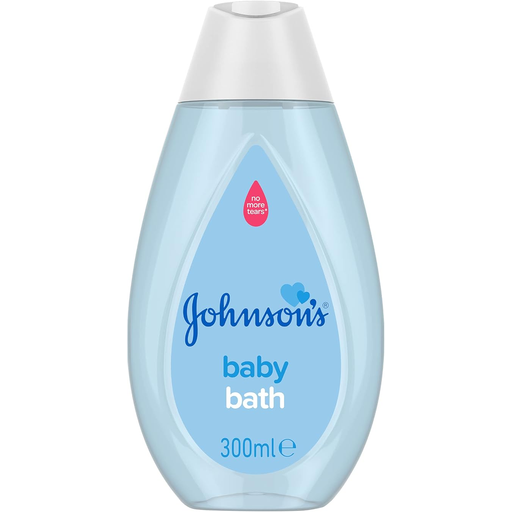
Why this fits the profile: A compact choice for families looking for one product for bath and wash. The 300 ml size is manageable when you want to try a formula first.
The product description mentions a pH-balanced formula without parabens, phthalates, sulphates, and colourants. Check the current packaging for the full ingredients list.
300 ml, suitable according to the product details for newborns, babies, and toddlers, and intended for external use.
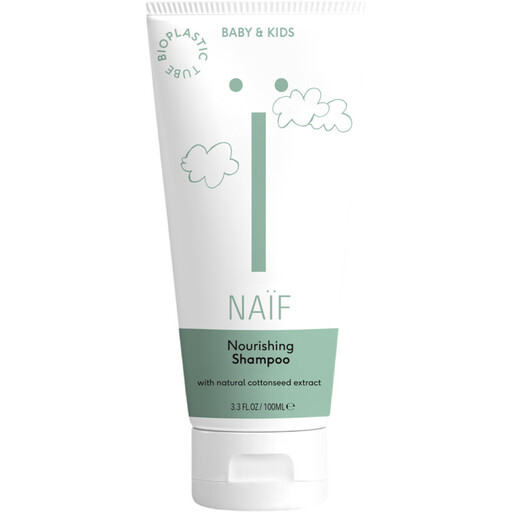
Why this fits the profile: Ideal for parents who want one baby shampoo to use through different growth stages, from baby to child.
The product information states no SLS/SLES, parabens, microplastics, or mineral oil. The ingredients list includes glycerine and cotton extract.
200 ml, intended for babies, toddlers, and children; according to the product description, suitable for sensitive scalps.
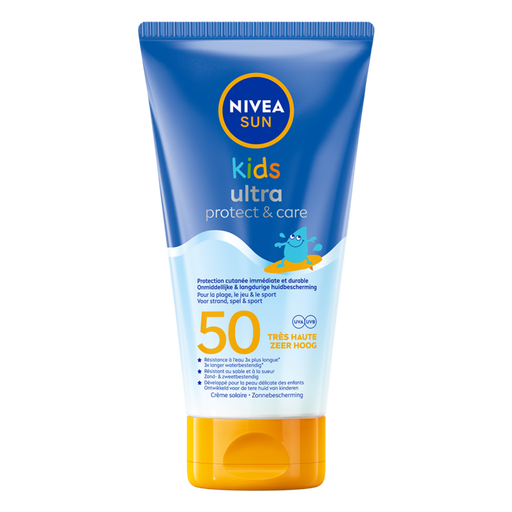
Why this fits the profile: A practical choice for children who spend a lot of time playing outside, swimming, or doing sports. The lotion is intended for face and body.
The product details mention SPF50+, UVA and UVB protection, and a water-resistant formula. Apply generously and reapply after swimming, towel drying, or sweating; sunscreen does not replace shade or clothing.
150 ml, SPF50+ and according to the product description resistant to water, sweat, and sand.
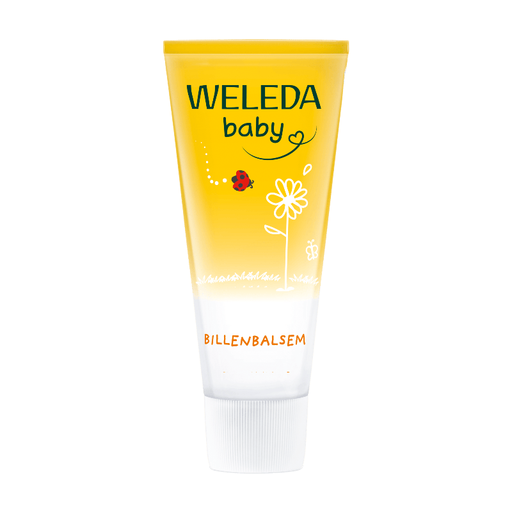
Why this fits the profile: For parents who want a separate product for the nappy area alongside a baby body wash or baby cream.
According to the product description, the formula contains zinc oxide, beeswax, and lanolin as part of the protective balm. Apply only to clean, dry skin and follow the label.
75 ml, with calendula and chamomile according to the product information, and intended for daily nappy area care.
We’ve put together a full, up-to-date list of products that fully meet these strict selection criteria and current European safety regulations.
A simple order helps prevent overuse:
For the basics, a gentle cleanser, a product for hair if needed, a cream for dry patches, and a nappy balm are enough. Add children’s toothpaste and sunscreen once age and situation call for them. It’s better to choose a few suitable products than a large set you don’t use every day.
This varies by product. Look for the open jar symbol and the information on the packaging. Products in a jar need extra hygienic use: close them tightly and use clean hands. The shelf life on the current packaging is the final guide.
Not automatically. Check the age recommendation. The NIVEA SUN Babies & Kids Sensitive Spray mentioned is suitable from 6 months according to the product description. Also keep young children out of direct sunlight and combine sunscreen with clothing, a hat, and shade.
