
Vandaag of morgen in huis

Kwaliteit gegarandeerd

Welkomstaanbiedingen ontgrendelen: GRATIS bezorging | Tot 80% korting | Gratis 30 dagen JoyPlus-proefperiode
Download de app
As a new or expecting parent, you want only the best for your child, starting with the care of their delicate skin. But the world of baby care can be overwhelming. The shelves are filled with products, all promising to be perfect for your little one. How do you know what you truly need and which products are better left on the shelf?
Many parents unwittingly fall into a few common traps. First, there's the "natural is always better" myth. The term 'natural' is not regulated, which means it says very little about how gentle a product actually is. In fact, some natural extracts can irritate a baby's sensitive skin. A second pitfall is the overstuffed baby care checklist. Retailers and brands often present an endless list of 'essential' products, when in reality, a few core items are all you need for the first few months.
To help you make the right choices, we'll focus on a few objective criteria. These are the specifications that truly matter when selecting baby care products, beyond the marketing promises.
A baby's skin is thinner and more sensitive than an adult's. Its natural protective layer is still developing. Traditional soap can disrupt this barrier, leading to dryness and irritation.
Therefore, opt for a soap-free wash gel or bath oil. Products labelled as pH skin-neutral are also an excellent choice. This means the product's pH level is aligned with the skin's, keeping its natural balance intact. This is especially important for sensitive baby skin or skin prone to eczema.
A short, clear ingredient list is often a good sign. Look for products without unnecessary additives. Here are a few substances to preferably avoid for the very youngest:
If you're looking for natural baby care, pay close attention to the specific oils and extracts included. Avoid products with a long list of essential oils, which can also be irritating.
A baby's skin burns extremely quickly. For children, baby sunscreen with a minimum of SPF 50+ is recommended. Also, ensure the sunscreen provides protection against both UVA and UVB rays. For babies under 6 months, the advice is to keep them out of direct sunlight entirely. From 6 months onwards, applying sunscreen is essential. Preferably, choose a product specifically developed for sensitive children's skin, often without fragrance and with a water-resistant formula.
Based on these objective criteria, we have selected several products that cater to the different needs and preferences of parents.
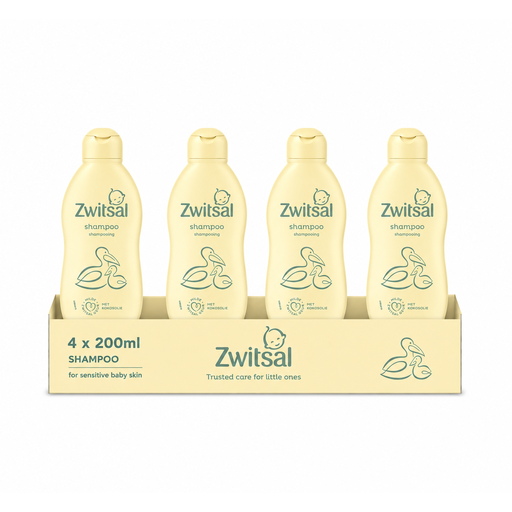
Why This Fits Their Persona: Ideal for parents looking for a reliable and affordable core product. This value pack ensures you'll have enough baby shampoo on hand for a while, perfect for the baby care checklist.
This is a functional, no-frills product without excessive claims. It helps avoid the pitfall of an overpriced and overstuffed starter list.
The formula is soap-free (0% SLES) and has a no-tears formula, as stated by the manufacturer. A trusted choice for daily care.
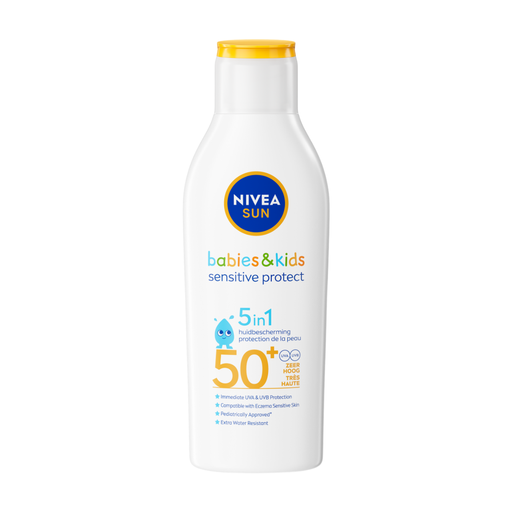
Why This Fits Their Persona: Perfect for parents of a child with very sensitive baby skin or eczema. This baby sunscreen is specially formulated to minimise skin reactions.
This product focuses on verifiable specifications: it is fragrance-free and suitable for eczema-prone skin. This is clearer than a vague 'natural' claim.
Offers SPF 50+ UVA/UVB protection, is fragrance-free, and extra water-resistant. According to Nivea, its skin compatibility is paediatrically approved.
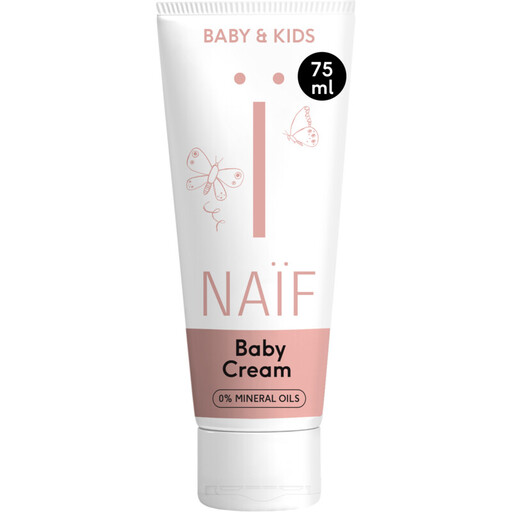
Why This Fits Their Persona: For parents who prefer natural baby care with a clear philosophy. This baby cream uses plant-based oils and avoids controversial ingredients.
NAIF is transparent about its ingredients and what has been intentionally left out (like mineral oil), which provides more clarity than a generic 'natural' label.
The formula contains nourishing ingredients like macadamia and sweet almond oil. The product is free from mineral oil and microplastics.
We have curated a complete, up-to-date list of products that fully meet these strict selection criteria.
For a newborn, bathing 2 to 3 times a week is more than enough. Washing too often can actually dry out their sensitive baby skin. A quick wash with a washcloth on the other days is sufficient.
The general advice is to keep babies under 6 months old out of direct sunlight. From 6 months on, you can use a baby sunscreen with a high factor (SPF 50+). Apply it generously to all exposed skin before going outside.
Baby oil is ideal for use on damp skin, for instance, right after a bath. It helps to lock in moisture and is perfect for a baby massage. A baby cream is more suitable for hydrating specific dry patches on dry skin, such as on the cheeks or behind the knees.
