
Vandaag of morgen in huis

Kwaliteit gegarandeerd

Welkomstaanbiedingen ontgrendelen: GRATIS bezorging | Tot 80% korting | Gratis 30 dagen JoyPlus-proefperiode
Download de app
A baby’s bath seems simple: warm water, a splash of bubble bath and you’re done. But baby bubble baths and baby wash gels can differ considerably in their ingredients, use and fragrance. Choosing the wrong one can lead to unnecessary waste, a product that doesn’t suit your bath-time routine, or irritation if your baby’s skin is sensitive.
As Joybuy’s Product Recommendation Officer, I focus on the product information that matters in practice. That way, you can compare verifiable details such as size, ingredients, how to use the product and any warnings, rather than vague marketing claims.
The word mild isn’t a complete product specification. Check whether a product is soap-free, SLES-free or free from colourants. Pay attention to fragrance, too. A familiar scent can be pleasant, but fragrance is still an ingredient that some children may react to.
A product described as hypoallergenic has been developed, according to the brand or product information, to help reduce the risk of allergic reactions. This doesn’t guarantee that every child will tolerate it without a problem. Stop using the product if redness or irritation occurs, and ask a healthcare professional for advice if symptoms persist.
A 700 ml bottle or multipack can be handy for families who bathe their baby often. But check the recommended amount per bath and how long the product keeps after opening. A large bottle may last a long time if you use a small baby bath. Also check that the packaging closes securely and is stored out of children’s reach.
Baby bubble bath is added to the bath water. Baby wash gel is applied directly to the skin, by hand or with a flannel, and is often suitable for use in the shower too. Some products can be used both ways, but always read the instructions on the packaging.
Soap-free baby wash can be a sensible choice if you want to avoid unnecessarily drying cleansers. SLES-free baby wash does not contain Sodium Laureth Sulfate. That doesn’t mean every other cleansing ingredient works in the same way or is suitable for every child, so check the full ingredients list.
Examples from the range:
A skin-friendly or pH-neutral formula may suit you if you’re looking for gentle baby care. Treat this as one factor to consider, not a guarantee in itself. For example, pH doesn’t tell you about all the other ingredients, the fragrance or how often you use the product.
A pump or squeeze bottle is practical when you’re holding your baby with one hand. A 200 ml bottle is a handy size for occasional baths; larger packs may be a better choice if several children use the same product. Compare the size, intended use and price per 100 ml, rather than looking only at the shelf price.
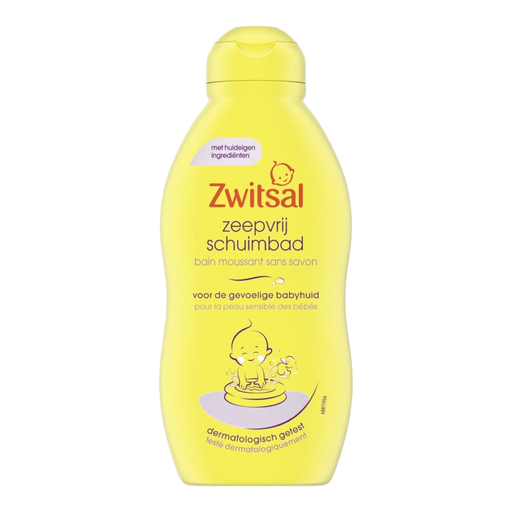
Why it suits this buyer: The 200 ml size is a manageable option for families who want to try a baby bath product first. It’s designed for use in the bath and, according to the product information, can also be used on the body and face.
The product description specifies a soap-free formula with 0% SLES and no colourants. This gives you more to compare than just the fragrance or how much it foams.
200 ml, dermatologically tested according to the product information, soap-free and designed for sensitive baby skin.
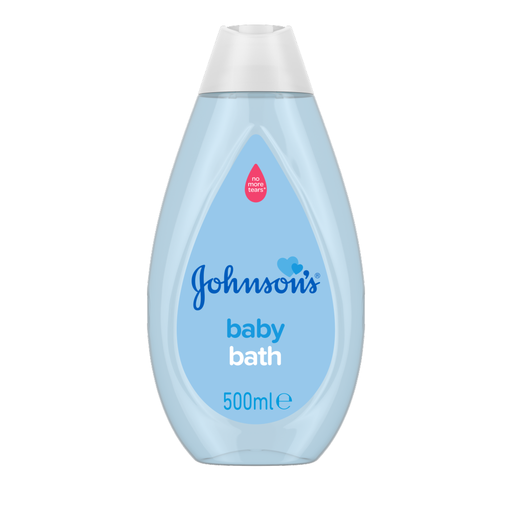
Why it suits this buyer: This option is for parents who want to compare several product specifications, such as pH-neutral, hypoallergenic and free from soap and colourants, according to the product description.
The product information clearly states which substances have not been added. This makes it easier to check claims such as “mild” against the listed formula.
500 ml, pH-neutral according to the product description, and suitable for adding to bath water or applying directly to the skin.
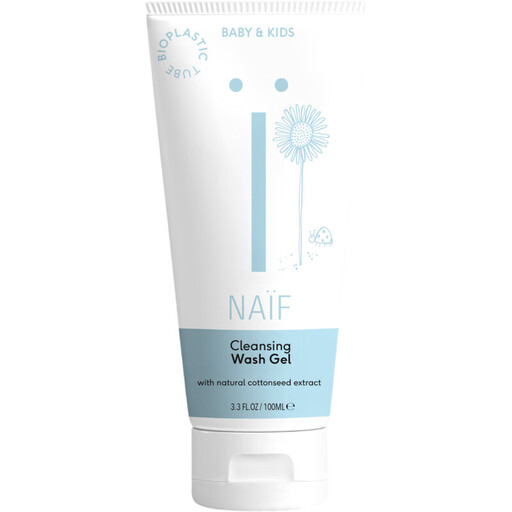
Why it suits this buyer: This wash gel is designed for use in the bath and shower. It’s a practical choice for families who don’t want to use a separate baby bath product for every occasion.
The product description says that the wash gel is soap-free and contains no SLES or microplastics. The full ingredients list is still important if you want to avoid fragrance.
200 ml, suitable for babies and children, for use in the shower and bath, with glycerine and cotton extract according to the ingredients list.
We’ve put together a complete, up-to-date list of products that meet these strict selection criteria and the relevant European safety requirements.
It depends on the product, the instructions and how your baby’s skin responds. Many babies don’t need to be washed with a cleansing product every day. Use a small amount if possible, and watch for dryness, redness or irritation.
Baby wash gel is usually designed to be applied directly to the skin during a bath or shower. Baby bubble bath is added to the water and is mainly intended to create bubbles and make bath time fun. Always check whether a product is intended for the body, face, bath water or more than one use.
No. SLES-free and hypoallergenic are useful product features, but they’re no guarantee that a product will suit your baby. Check the full ingredients list, introduce new products carefully and stop using them if irritation occurs. Contact a healthcare professional if skin problems persist.
