
Vandaag of morgen in huis

Kwaliteit gegarandeerd

Welkomstaanbiedingen ontgrendelen: GRATIS bezorging | Tot 80% korting | Gratis 30 dagen JoyPlus-proefperiode
Download de app
Bathing your baby seems simple: add a splash of product to the water, give them a quick wash and rinse. But baby bath products can vary considerably in their ingredients, fragrance, lather and how they’re used. An appealing label featuring words such as “natural”, “gentle” or “for sensitive skin” doesn’t tell you everything.
As a Joybuy Product Recommendation Officer, I sift through product information to focus on practical details. That makes it easier to find baby bubble bath, baby bath oil or baby bath gel to suit your routine.
A big, bubbly bath can be more fun, but it doesn’t tell you how gentle the formula is. Instead, check whether the product is soap-free and look at the cleansing ingredients listed on the label. A gentle baby soap or baby body wash doesn’t need to produce lots of lather to clean well.
Fragrance can make bath time more enjoyable, but sensitive skin may react differently from normal skin. When choosing a baby bath product for sensitive skin, it’s worth considering fragrances as part of your comparison. “Natural” also doesn’t automatically mean a product is suitable for every child.
Brands may refer to their own research or consumer studies. It’s important to consider this information in context. For example, according to Weleda’s own consumer study involving 30 children, 87% of parents reported better sleep after using its cream bath. This isn’t a guarantee for every family, or medical evidence.
Also, be aware of the difference between a product claim and an established fact. Terms such as “dermatologically tested”, “hypoallergenic” or “pH neutral” describe the manufacturer’s information, but don’t replace personalised advice if skin problems persist.
Look for terms such as soap-free or without SLES. A soap-free baby wash can be practical for regular washing, especially if you don’t need a deep clean at every bath. Check the ingredients list too: soap-free formulas still contain cleansing agents, and may still contain fragrance.
Products such as a baby body wash or 2-in-1 baby bath gel are handy for both showers and baths. A product specifically developed as a bubble bath is mainly intended for use in bath water.
For sensitive skin, a short ingredients list, a gentle cleansing base and clear instructions are useful points to compare. Baby bath oil or a cream bath often contains oils that can leave skin feeling moisturised after a bath. Bear in mind that oil can make the bath slippery. Always keep a firm hold of your baby and never leave a child alone in the bath.
A fragrance-free option isn’t automatically essential, but it can make sense if you want to limit exposure to fragrances. Products scented with lavender, neroli or the familiar Zwitsal fragrance may suit parents who like to make scent part of their bath-time routine.
Check whether you add the product to bath water or apply it directly to the skin. With concentrated baby bath products, a small amount is often enough, according to the product instructions. A larger bottle or multipack may seem better value, but only if you use the product regularly and follow the shelf-life information on the packaging.
Always use lukewarm water, avoid contact with the eyes and rinse with clean water if needed. Stop using the product if irritation occurs, and speak to a healthcare professional if you’re unsure. No bath product replaces supervision: never leave a baby alone in the bath.
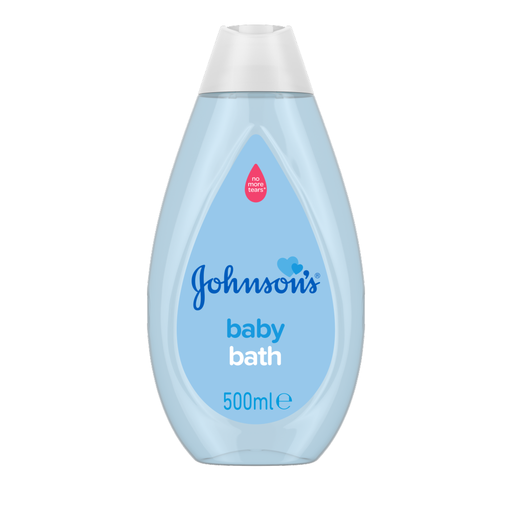
Why it suits this profile: A straightforward choice if you’re looking for one product for bath time and everyday care. According to the product information, the formula is pH neutral, soap-free and suitable for use in the bath or directly on the skin.
The product description says it contains no soap, sulphates, alcohol, parabens, phthalates or colourants. This lets you compare the ingredients directly, rather than judging the product by its lather alone.
500 ml; described by the manufacturer as dermatologically tested and hypoallergenic; the product description says the formula won’t sting the eyes.
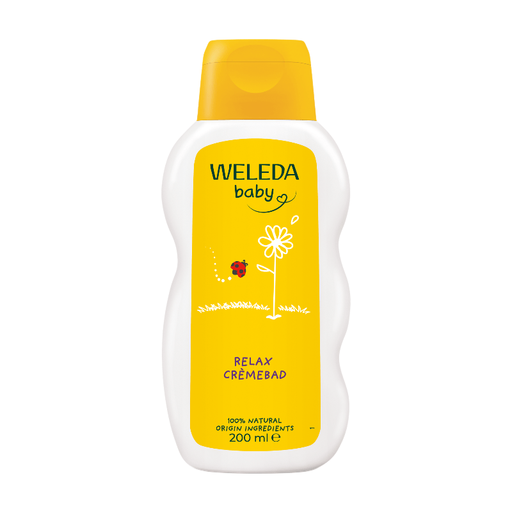
Why it suits this profile: A good choice for parents looking for baby bath oil or a cream bath with a naturally focused formula and a fragrance suited to an evening routine.
The description says the formula is soap-free and contains no microplastics, SLS or SLES. The lavender and neroli fragrance is a deliberate choice, though, and won’t suit every family.
200 ml; the product description says the gel turns into a cream in bath water; listed as containing 100% natural ingredients and carrying a NATRUE label.
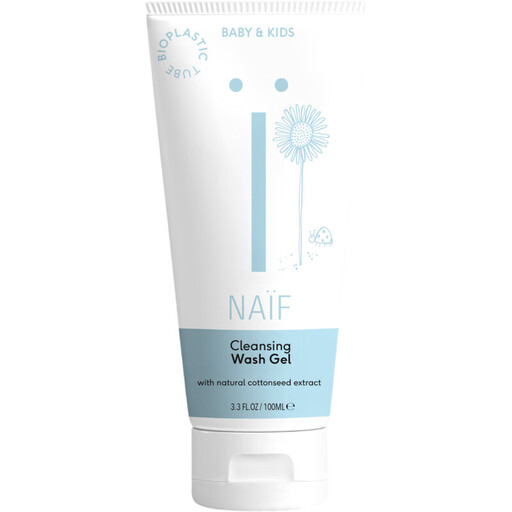
Why it suits this profile: Handy for families who want to use one soap-free baby wash gel for both showers and baths, including for older children.
The description says the formula is soap-free and contains no SLES or microplastics. The ingredients list also shows that it contains fragrance, so you can decide whether it suits your child’s skin and preferences.
200 ml; suitable for babies and children; contains glycerine and cottonseed extract, according to the ingredients list.
We’ve put together a complete, up-to-date list of products that meet these strict selection criteria and current European safety regulations.
It depends on the formula, your baby’s skin and how often they need washing. Use a small amount and follow the label. If your baby has dry or easily irritated skin, washing less often with a product may be more practical. Watch out for redness, itching or irritation, and stop using the product if symptoms occur.
Baby bubble bath is designed to add bubbles and cleanse the bath water. Baby bath oil is mainly intended to leave skin feeling cared for and often contains oils. A cream bath sometimes combines both benefits. Oil can make the bath slippery, so take extra care and supervise your baby at all times.
Check the packaging for the expiry information and the symbol showing how long the product can be used after opening. Close the bottle securely, store it as instructed and stop using the product if its smell, colour or texture changes noticeably. Check the full ingredients list and safety warnings whenever you buy a product.
