
Vandaag of morgen in huis

Kwaliteit gegarandeerd

Welkomstaanbiedingen ontgrendelen: GRATIS bezorging | Tot 80% korting | Gratis 30 dagen JoyPlus-proefperiode
Download de app
Buying a baby bottle might seem straightforward – until you have to choose from different sizes, shapes, teats and accessories. Then come the questions about cleaning, sterilising, warming and compatibility. Expectant parents in particular can easily buy products that turn out to be less practical after just a few weeks.
The main pitfalls with baby bottles and accessories are:
For newborns, a small baby bottle with a slow-flow teat is often more practical. A capacity of around 150 to 170 ml is suitable when you’re feeding small amounts. For older babies, 250 ml can be more convenient. Always check the age indication and the teat that’s included.
A larger bottle with a slow-flow teat can sometimes be used from birth, but only if the manufacturer offers a suitable 0m+ teat. For example, the Difrax LOVI Mammafeel bottle (250 ml) comes with a 3m+ Slow Flow teat. According to the product information, a separate 0m+ Mini teat is needed for use from birth.
When combining breast and bottle feeding, the shape of the teat can be especially important. According to the product description, the Difrax baby bottle LOVI Mammafeel uses a dynamic teat made from medical-grade silicone. This may appeal to parents who want to make the transition between breast and bottle easier. It’s not a guarantee that every baby will accept this shape.
A bottle must be able to be fully taken apart. Look out for:
Polypropylene is lightweight and practical for everyday use. Glass is heavier, but can be appealing for parents who prefer a scratch-resistant material. Always check the information on the packaging and in the instruction manual.
A bottle brush with a narrow head is useful for the inside of bottles. A separate small brush is handier for teats and valves. After washing, leave all parts to air dry completely before storing them.
A bottle warmer should heat milk gradually and as evenly as possible. Don’t just check the speed, but also:
The Philips Avent bottle warmer SCF355/09 states a warming time of around three minutes and has a defrost setting. According to the product information, the device is suitable for Avent bottles and also for baby food. Before buying, check that your bottle shape and contents will actually fit.
For on-the-go use, a portable bottle warmer with a built-in battery can be handy. Pay attention to the charging type, the adapter, the leak protection and bottle compatibility. A portable model is especially practical when you don’t have a power socket nearby, but it does need to be charged in advance.
A bottle steriliser or a combined steriliser and dryer saves space and steps. Steam makes the parts very hot: don’t open the lid during a cycle and allow everything to cool down. A steriliser doesn’t replace thorough cleaning, either. Wash first, then sterilise according to the instructions.
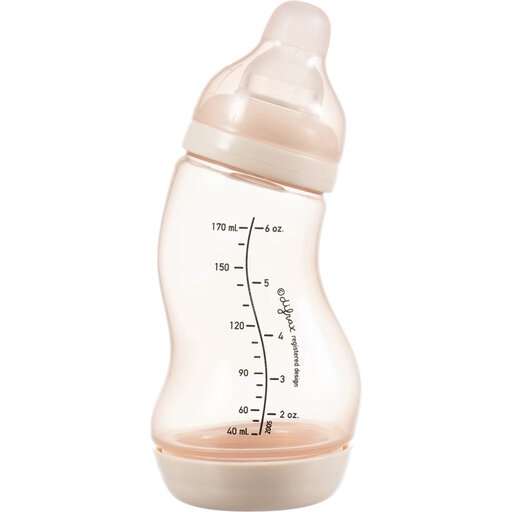
Why this fits the profile: The 170 ml capacity and the included S-teat are, according to the product information, intended for use from birth.
The bottle has a screw-off base and a checkable valve. Take all parts apart for cleaning; the anti-colic function is a claim from Difrax’s product information.
170 ml, PP bottle, BPA-free according to the product description and dishwasher-safe.
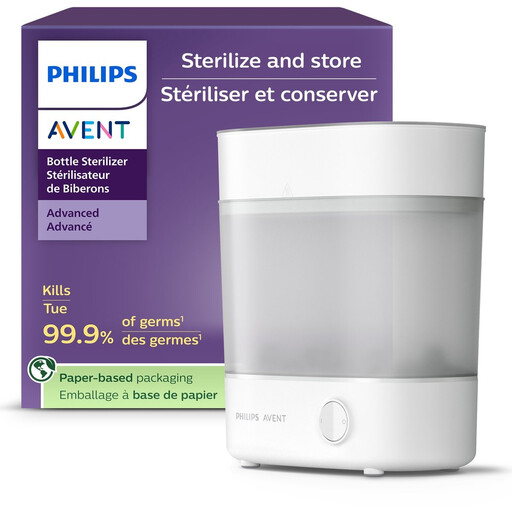
Why this fits the profile: Suitable for parents who want to handle multiple bottles and accessories in one appliance.
The appliance combines steam sterilisation and drying. According to Philips, the sterilisation cycle takes around ten minutes; check the manual for your specific use.
Capacity for up to six Avent bottles, integrated drip tray and automatic switch-off according to the product information.
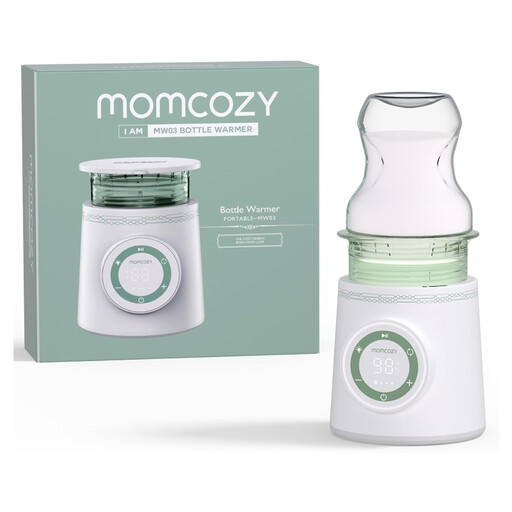
Why this fits the profile: A logical choice for days out, travel and situations where no power socket is available.
The set includes an adapter for multiple brands and a double leak-proof design. Check the specific connection for your bottle before buying.
Built-in battery, portable size and intended for use on the go according to the product information.
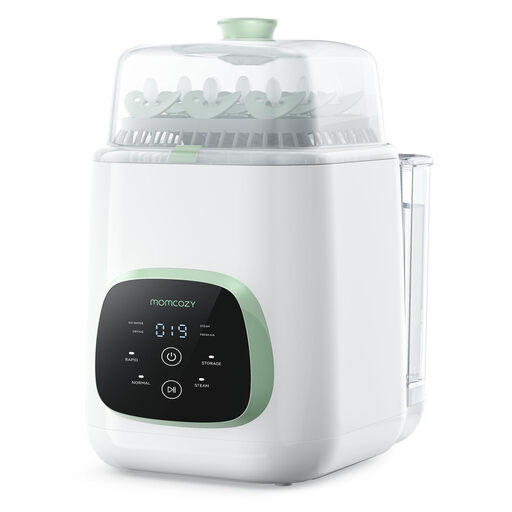
Why this fits the profile: Handy for families who clean multiple bottles, teats or breast pump parts every day.
The appliance washes, sterilises and dries in one system. The manufacturer states 26 spray nozzles and space for up to four bottles; check the dimensions for your worktop.
Nine combinable programmes, a quick wash option and included cleaning tablets according to the product information.
We’ve put together a full, up-to-date list of products that fully meet these strict selection criteria and current European safety regulations.
You don’t always need an electric bottle steriliser. If you only have a small number of bottles, a pan or a simple steam solution can be sufficient, as long as you follow the manufacturer’s instructions. A bottle steriliser with a dryer becomes more worthwhile when you’re preparing several feeds a day.
A baby bottle cleaner or a good bottle brush is useful in all cases. Clean immediately after use, take the bottle fully apart and check teats and valves for cracks, stickiness or distortion. A damaged teat must be replaced. The same applies to dummies: inspect them before every use and follow the replacement guideline on the packaging.
With breastfeeding accessories such as pump bottles, tubing and storage bottles, compatibility is at least as important as with a baby bottle. Check whether the parts are suitable for your pump and whether they can be washed or sterilised according to the instructions.
Clean the bottle, teat, ring and valve after every feed. Leave the parts to dry completely. Sterilise according to the manufacturer’s instructions and your baby’s situation. Pay particular attention during the first few months of life and to parts that milk doesn’t easily release from.
The lifespan depends on the material, use and cleaning. Check the teat before every feed and replace it as soon as you see cracks, discolouration, stickiness or distortion. For dummies, Difrax states a replacement after around four to six weeks for the models mentioned; always follow the product packaging.
That depends on the number of feeds, the purchase price and the electricity consumption. A bottle warmer can be especially convenient for night feeds and when you’re out and about. Compare the power, warming time, keep-warm function and compatibility before you buy. Always check the milk temperature on the inside of your wrist before feeding.
