
Vandaag of morgen in huis

Kwaliteit gegarandeerd

Welkomstaanbiedingen ontgrendelen: GRATIS bezorging | Tot 80% korting | Gratis 30 dagen JoyPlus-proefperiode
Download de app
The right baby bottles and feeding accessories can make feeding times more organised, but attractive packaging says little about day-to-day practicality. Small differences in teats, cleaning and capacity can make a big difference, particularly with newborns. If you focus only on the brand name or a prominent feature, you may end up buying accessories that do not suit your routine.
A 250 ml bottle is not automatically suitable from birth. The teat supplied may, for example, be intended for babies aged three months and over. Always check the age indication and flow rate. A teat with a flow that is too fast can make calm drinking more difficult, while one that is too slow may cause frustration.
Also pay attention to the fitting. Teats from the same brand do not always fit every bottle variant. Check whether you need a Natural, Wide, Mini or Slow Flow teat.
A baby bottle must first be cleaned thoroughly. A baby bottle steriliser does not remove milk residue. Leftover milk can build up in a valve, teat or screw ring. Take the bottle apart and use a suitable baby bottle brush before steam-sterilising it.
An electric bottle steriliser is particularly useful if you prepare several feeds a day. For occasional use or when you are out and about, a microwave sterilisation bag may be more practical. Always follow the instructions for use and check the maximum number of reuses.
A bottle warmer that heats quickly is not automatically the most convenient choice. It is more important that the heat is distributed evenly and that the bottle fits properly. Always check the temperature before feeding. For breast milk, also follow the storage instructions for chilled or frozen milk.
Choose a size that suits the amount of milk or formula you prepare. A 150 or 170 ml bottle is easy to manage for smaller feeds and newborns. A 250 ml model provides more room as the amount of milk increases.
Also check:
An anti-colic baby bottle often has a valve or special shape which, according to the product description, is designed to help reduce the amount of air taken in while drinking. Do not present this as guaranteed performance: every child responds differently, and correct assembly remains important.
Many models are made from BPA-free polypropylene or silicone. Polypropylene is lightweight and suitable for everyday use. Silicone feels flexible and is often used for teats. Do not just consider the material; also look at the parts that need to be cleaned.
A bottle with lots of separate components may allow thorough cleaning, but it takes more time. A simple bottle brush with a narrow head helps clean the base and neck. Allow all parts to dry completely before storing them. A baby bottle dryer or integrated drying programme can be useful when you use several bottles one after another.
For a steriliser, capacity, dimensions and programmes are key considerations. An appliance that holds six bottles is not always practical in a small kitchen. Also check whether the basket is suitable for breast pump parts, teats and dummies.
For electrical appliances, automatic shut-off, clear water-level markings and an easily accessible plug are practical features to consider. Claims about killing bacteria should be attributed to the manufacturer. For example, Philips states for the SCF291/00 that, according to its own product information, it kills 99.9% of bacteria and that a cycle takes approximately ten minutes.
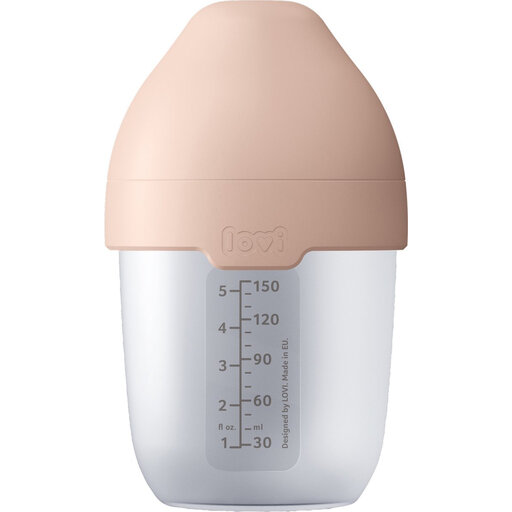
Why it suits this profile: The 150 ml capacity and supplied 0m+ Mini teat are suitable for smaller feeds and use from birth. According to the product description, the bottle is designed for combining breast and bottle feeding.
The teat’s age indication is clearly specified. The bottle can also be taken apart and, according to the product information, is dishwasher-safe.
150 ml capacity, medical-grade silicone teat and BPA-free PP bottle material according to the product description.
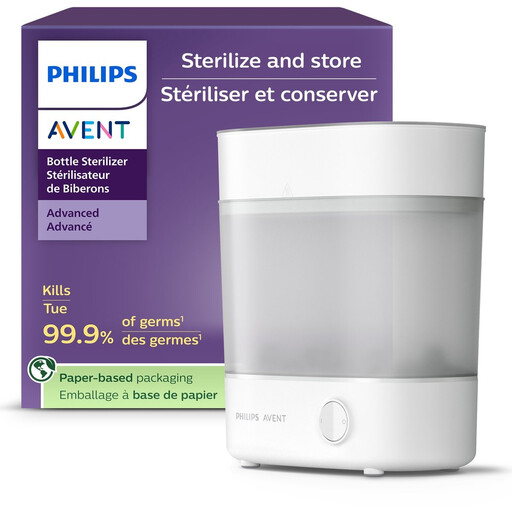
Why it suits this profile: If you use several bottles and accessories every day, this model combines a steam programme and drying function in one appliance. The stated capacity is up to six Philips Avent bottles.
According to the product description, the integrated drip tray helps protect the heating plate from milk drops. The appliance switches off automatically.
Steam sterilisation, drying function, adjustable configuration and a stated cycle of approximately ten to forty minutes.
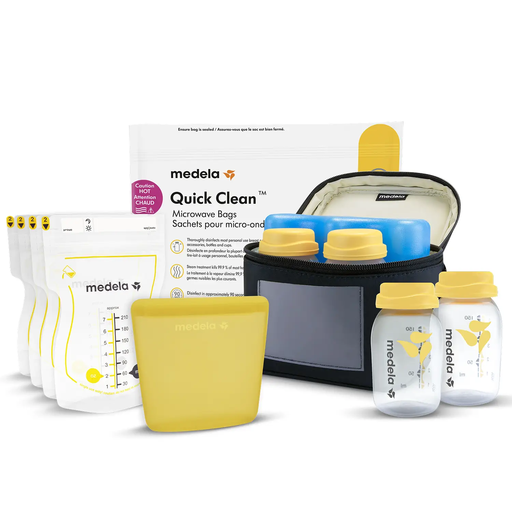
Why it suits this profile: This set is aimed at breastfeeding parents who want to store and transport milk. It includes a cooler bag, ice pack, four bottles, storage bags, a reusable bag and a microwave sterilisation bag.
The set combines storage, cooling and transport, so you do not need to put together separate items straight away. However, always check your local guidelines on storage times.
Four BPA-free PP bottles, a shaped ice pack and accessories for storage and transport.
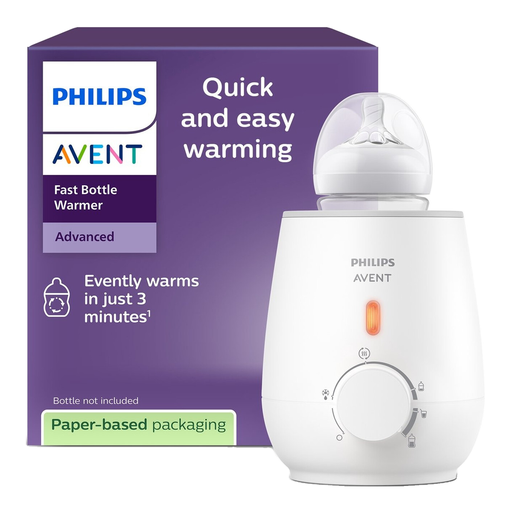
Why it suits this profile: According to the product information, this warmer is designed for milk and baby food. The stated heating time is approximately three minutes, and it also has a defrost setting.
The product description refers to even heating without hot spots. Nevertheless, always check the temperature yourself and follow the instructions.
300 watt power, defrost function and suitable for Avent bottles and baby food according to the product information.
We have put together a complete, up-to-date list of products that fully meet these strict selection criteria and the applicable European safety regulations.
A consistent routine helps prevent accessories from being left unused in a drawer:
The same checks for damage apply to breastfeeding accessories such as pump parts, storage bottles and bags. A cooler bag or portable milk cooler is particularly useful when you are out and about. The stated cooling time for a product depends on factors including the starting temperature, the ice pack and the surroundings. Therefore, use breast-milk storage guidelines as your starting point rather than relying solely on the claim on the packaging.
Follow the instructions provided by the bottle and steriliser manufacturers. Clean the bottle after every use. Many parents choose regular steam or boiling sterilisation, particularly for young babies, but the right frequency depends on the products you use and your care routine.
With proper care, the bottle itself can remain usable for a long time. Teats, valves and sealing rings wear out more quickly. Check them before every feed and replace them if you notice cracks, deformation, discolouration or a change in the flow rate.
In addition to the purchase price, you pay for electricity, water and any descaling products. The cost per cycle depends on the appliance’s power rating and programme duration. A microwave sterilisation bag may be more economical for occasional use, while an electric bottle steriliser offers greater convenience when preparing several feeds a day.
