
Vandaag of morgen in huis

Kwaliteit gegarandeerd

Welkomstaanbiedingen ontgrendelen: GRATIS bezorging | Tot 80% korting | Gratis 30 dagen JoyPlus-proefperiode
Download de app
A baby bottle may seem simple, but small design choices can make a big difference in everyday use. A bottle that is difficult to clean, a teat with a flow that is too fast or a bottle warmer that is not compatible with your bottles can quickly lead to extra expense and hassle.
When choosing baby bottles and feeding accessories, parents often focus mainly on the brand, price or claims such as “anti-colic”. These are not always the most important purchasing criteria. First, look at the connection, age guidance, materials and cleaning method. This will help you avoid buying a product that no longer fits your baby’s feeding routine after just a few weeks.
The age guidance is a useful starting point, but not every baby drinks at the same pace. A teat with a flow that is too fast can lead to spilling or unsettled feeding. A teat that is too slow can be frustrating. Always check the stated flow rate, compatibility with the bottle and the instructions for use.
If you want to combine breastfeeding with bottle-feeding, look for a wide, soft or dynamic teat. This may make the transition more comfortable, but every baby’s experience is different. A brand claim about a “natural feeding experience” should therefore be viewed as product positioning, not a guarantee.
An anti-colic baby bottle usually contains a valve or air-intake system which, according to the manufacturer, is intended to help limit air swallowing. This can be practical, but it is not a medical treatment and does not guarantee that colic, burping or spit-up will disappear.
Pay particular attention to maintenance. A valve with small openings should be checked carefully after every feed. Residual milk or a blockage can affect how it works and cause leakage.
A bottle warmer that works quickly is convenient during night feeds. However, even heating, temperature control and compatibility are just as important. According to the product description, the Philips Avent bottle warmer heats milk in approximately three minutes and has a defrost setting. The actual time depends on the quantity, starting temperature and type of bottle.
Always check the milk before feeding. An appliance should never be used unattended.
Baby bottles are often made from polypropylene (PP), glass or silicone. PP is lightweight and resistant to breakage; glass is heavier but generally absorbs odours and discolouration less readily. Silicone is mainly used for bottle teats and some soft bottles.
Look for clear information about the material and food contact. BPA-free is relevant, but also check whether all components – bottle, ring, cap, valve and teat – are described separately. For electrical appliances such as a bottle warmer or bottle steriliser, the instructions, plug, safety class and automatic switch-off are also important.
Not every baby bottle fits every warmer, steriliser or brush. A Difrax baby bottle, for example, may have a specific shape, ring or base valve. Therefore, check:
A product described as “multi-brand compatible” will not automatically fit every bottle. Check the diameter, adapter and any exceptions in the product description.
A baby bottle should be fully dismantlable. Look out for hard-to-reach seams, valves and narrow openings. A baby bottle brush with a separate teat or straw brush is practical for everyday use.
An electric bottle steriliser usually works using steam. According to the Philips Avent SCF291/00 product information, the sterilisation cycle takes approximately ten minutes; with drying, a full cycle takes around forty minutes. The manufacturer states that the appliance can hold up to six Avent bottles and accessories. Do not open the lid during a hot cycle, and allow components to cool before handling them.
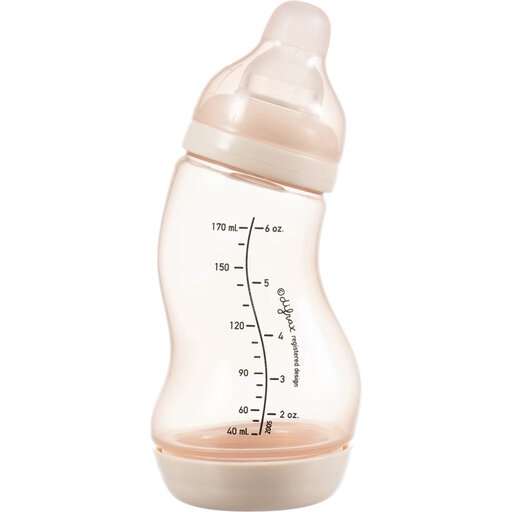
Why it suits this profile: The 170 ml capacity is practical for newborns and, according to the product information, the bottle is suitable from birth. The separate components make it a straightforward option for getting started with bottle-feeding.
The product description mentions a screw-off base and a checkable anti-colic valve. This makes important components accessible for cleaning.
170 ml capacity; PP bottle; S teat included; dishwasher-safe according to the product information.
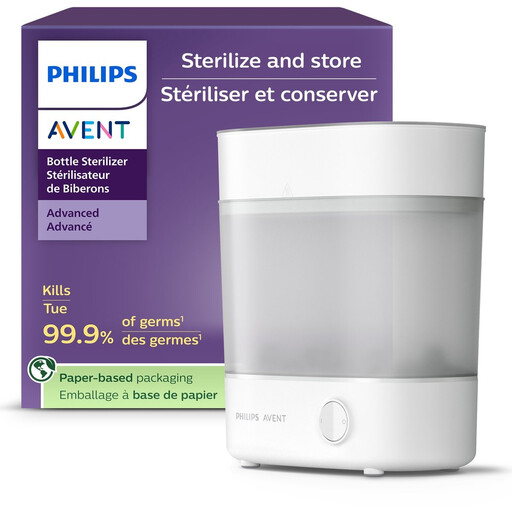
Why it suits this profile: Suitable for households that process several bottles and breast pump accessories each day and value a consistent, organised routine.
The capacity, automatic switch-off and integrated drip tray are listed in the product specifications. This reduces the number of tasks during a cycle, although cleaning is still necessary.
Up to six Avent bottles; steam sterilisation; drying function; cycle of approximately 40 minutes including drying.
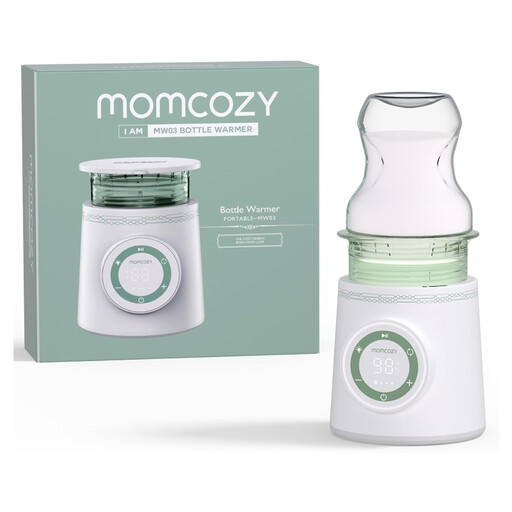
Why it suits this profile: An option for parents who are regularly out and about and want to warm baby food without relying on a fixed kitchen set-up.
The included adapter and dual leak protection are described as product features. Before buying, check that your bottle shape is actually compatible.
Built-in battery; portable design; intended for breast milk and formula; multi-brand adapter included.
We have put together a complete, up-to-date list of products that fully meet these strict selection criteria and the applicable European safety regulations.
The bottle itself can last for a long time with normal use, but teats, valves and seals wear out more quickly. Replace a component as soon as you notice damage, discolouration, leakage or a change in texture. Also follow the replacement advice on the packaging.
Yes, but every baby responds differently to the transition. A suitable bottle teat, a calm feeding position and a flow that is not too fast may help. Product descriptions such as that of the Difrax LOVI Mammafeel mention a soft, dynamic teat designed to support a natural sucking motion. This remains a product claim made by Difrax and is not a guarantee for every baby.
An electric bottle warmer uses electricity while heating; the exact consumption depends on its power rating and how long it is used. According to the product information, the Philips Avent Bottle Warmer SCF355/09 has a power rating of 300 watts. A portable bottle warmer uses a built-in battery and needs to be recharged regularly. For both types, check the instructions for use, cleaning and safe heating.
