
Vandaag of morgen in huis

Kwaliteit gegarandeerd

Welkomstaanbiedingen ontgrendelen: GRATIS bezorging | Tot 80% korting | Gratis 30 dagen JoyPlus-proefperiode
Download de app
Finding the right baby bottles and baby bottle accessories might seem straightforward, until you have to choose between different bottle shapes, teat sizes, warmers and sterilisers. Marketing copy often focuses on comfort or speed, while practical details like cleaning, compatibility and replaceable parts are just as important.
This guide helps expectant parents and carers compare products with purpose, without paying for features that don't suit their needs.
A bottle can be perfectly fine, but still not work well if the teat doesn't match your baby's age and feeding needs. A replacement teat for a baby bottle should therefore be selected not only by brand, but also by model, neck type and flow rate.
A teat for newborns typically has a smaller flow than a medium or slow-flow teat for older babies. Always check the age guidance and instructions on the packaging. The Difrax Natural Bottle Teat Medium, for example, is designed from 3 months onwards and fits narrow Difrax S-bottles, not the Wide version.
An anti-colic baby bottle may have a valve or special shape to reduce air intake during feeding. That doesn't mean every baby will respond the same way. According to the product information from Difrax, the S-bottle features a valve at the base and an S-shape that supports a consistent milk flow. Treat this as a product specification, not a medical guarantee.
Pay particular attention to the parts you need to clean. An extra valve or screw-on base can be practical, but it also requires careful disassembly and inspection.
A baby bottle warmer that heats up quickly isn't automatically convenient for your routine. Check whether the device fits the bottle you use, whether defrosting is possible, and how the appliance handles baby food. Always heat milk according to the instructions and check the temperature before feeding.
Many baby bottles are made from polypropylene, silicone or glass. Polypropylene is lightweight and shatter-resistant; borosilicate glass is heat-resistant and generally less prone to absorbing odours or discolouration. The choice depends on your use: at home, on the go, frequent sterilising, or keeping weight to a minimum.
Also look at the capacity:
The Difrax LOVI Mammafeel bottle of 150 ml is supplied with a 0m+ Mini teat according to the product information. The 250 ml version comes with a 3m+ Slow Flow teat. If you want to use the larger bottle from birth, you'll need to buy a separate Mini teat.
A Difrax baby bottle doesn't automatically have the same neck as a Philips Avent bottle or another brand. So check:
This prevents you from buying a replacement teat or bottle brush that doesn't fit properly.
A baby bottle steriliser only works properly if bottles and accessories have been thoroughly cleaned beforehand. Milk residue can build up in valves, caps and teat openings. A suitable bottle brush for baby bottles must therefore be able to clean narrow necks and hard-to-reach corners.
With an electrical appliance, check:
According to the product information, Philips Avent claims the SCF291/00 removes 99.9% of bacteria with steam. This is a claim from Philips; use the appliance only as per the manual and clean the bottles beforehand. The Chicco 2-in-1 Steriliser and Bottle Dryer holds up to six bottles and small accessories, and has a compact and a larger mode.
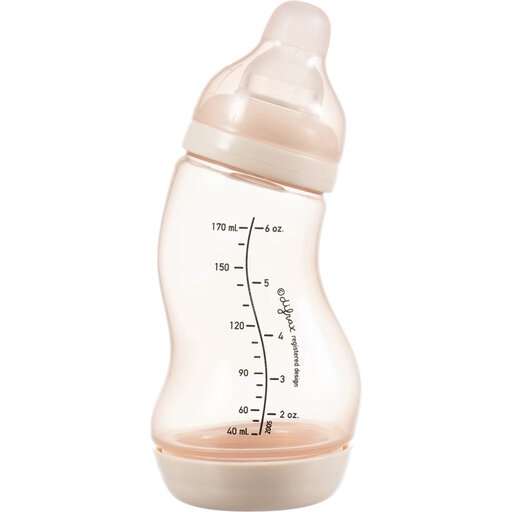
Why this fits the profile: A compact bottle for daily use, with a capacity of 170 ml and a standard S-teat according to the product information.
The bottle has a screw-on base and a valve; this means the parts are accessible for cleaning, provided you fully disassemble the bottle.
170 ml capacity, PP bottle and dishwasher-safe parts according to the product description.
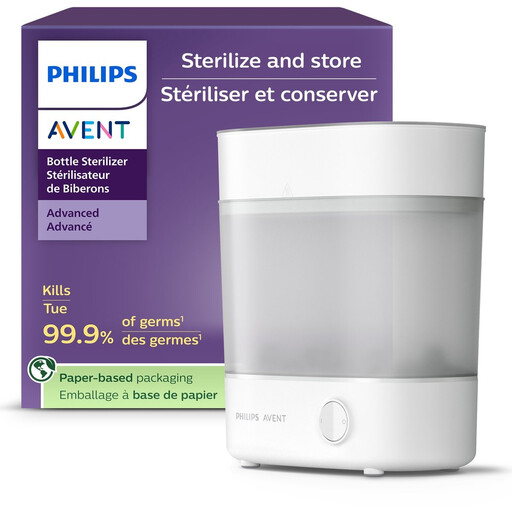
Why this fits the profile: Handy for households that regularly process multiple bottles, teats and parts at once.
The capacity and drying function are clearly stated; you can assess in advance whether a cycle matches your daily volume.
Space for up to six Avent bottles, automatic shut-off and a stated sterilisation time of 10 minutes.
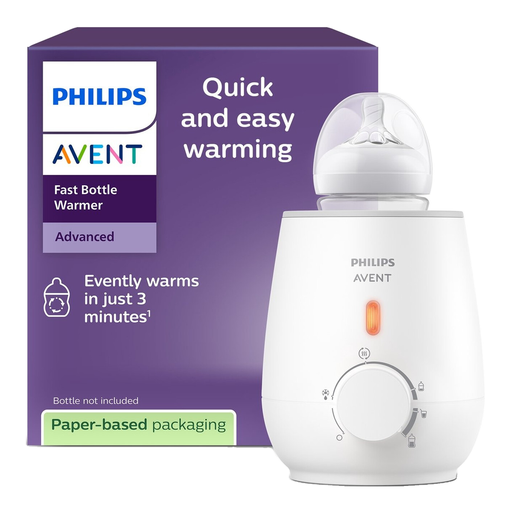
Why this fits the profile: Suitable for parents who regularly want to warm milk or baby food at home and also use a defrost function.
The functions aren't limited to warming: the product description also mentions gradual defrosting and warming of baby food.
300 W power, compatibility with Avent bottles and a warming time of approximately three minutes as stated by Philips.
For on-the-go use, you might also consider a breast milk cooler with a fully frozen ice pack. Always store expressed milk according to current food safety guidelines; a product claim about a specific cooling duration does not replace those guidelines.
We've put together a full, up-to-date list of products that fully meet these strict selection criteria and comply with current European safety regulations.
Check the bottle, teat, valve and ring before each use. Replace a part if you notice cracks, stickiness, deformation, discolouration or wear. A teat can wear out faster than the bottle itself, especially with daily sterilising. Also follow the manufacturer's replacement recommendations.
Not every household needs an electrical appliance. You can also sterilise according to the manufacturer's instructions, for example using boiling water or a microwave steamer. An electric steriliser is especially practical when you use several bottles and accessories each day. Be mindful of steam, hot surfaces and descaling.
Choose a brush that fits into the neck of your bottle and doesn't cause scratches. A separate teat or valve brush is useful for small openings. Rinse the brush after use, let it dry completely and replace it as soon as bristles come loose or the material becomes damaged.
