
Vandaag of morgen in huis

Kwaliteit gegarandeerd

Welkomstaanbiedingen ontgrendelen: GRATIS bezorging | Tot 80% korting | Gratis 30 dagen JoyPlus-proefperiode
Download de app
Packing a changing bag seems simple, until you discover that not every teat fits every bottle, a bottle warmer won’t hold every bottle securely, or a brush won’t reach into a narrow neck. With baby bottles and accessories, you can also end up paying for features you’ll hardly use at home.
So, keep an eye out for three common pitfalls:
A good purchase isn’t about the number of features. It starts with your everyday routine: how many bottles do you use, where do you feed your baby, and how do you clean everything?
First, check the bottle neck and compatibility. A Difrax Natural Bottle Teat Medium is designed for narrow Difrax S bottles of 170, 240 and 250 ml. According to the product description, the teat is suitable from 3 months for thin and slightly thickened feeds. The packaging includes full usage information, so always check it before buying.
A 170 ml Difrax S bottle comes with an S teat for use from birth. You could consider a Medium or Large teat later for a faster flow, as long as it’s compatible with the bottle system. A teat with a flow that’s too fast can make feeding unsettled, while one that’s too slow can be frustrating.
Many models are made from BPA-free polypropylene or silicone. This tells you something about the material, but not necessarily how easy the item is to care for day to day. Check:
A baby bottle brush with a narrow head is useful for bottles, flasks and other narrow openings. A separate baby bottle cleaner for teats or tubing can come in handy if you use breast pump parts.
A bottle warmer for home use is generally designed to warm bottles steadily on the worktop. A portable baby bottle warmer with a built-in battery is particularly useful when you’re out and about, but check the adapter and bottle size. According to the product information, the Momcozy Travel Series Portable Bottle Warmer comes with a multi-brand adapter. Before use, check that your bottle fits.
A breast milk cooler can be useful when you’re out and about with expressed milk. The Momcozy cooler uses a pre-frozen cooling tube. The stated cooling time is a manufacturer’s product specification; always follow the current guidelines for storing and transporting breast milk, too.
An electric steriliser saves you a few steps, but it doesn’t replace cleaning. Philips states that the Philips Avent SCF291/00 has a 10-minute steam cycle and a full cycle with drying that takes around 40 minutes. The claim that it removes 99.9% of bacteria comes from Philips’ product information. Use the appliance according to the instructions and don’t open the lid while hot steam is being released.
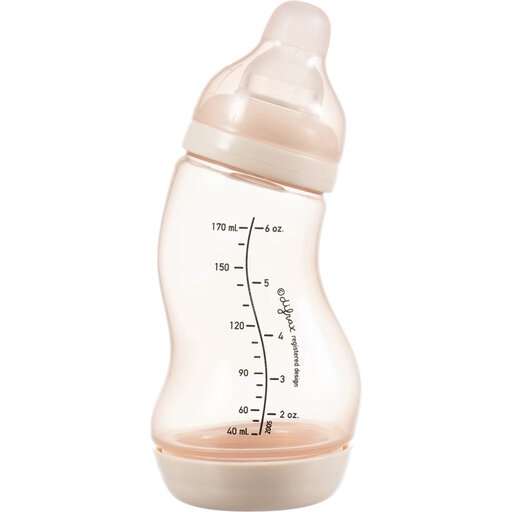
Why it suits this type of user: A compact bottle for parents who want to start with one familiar system, perhaps alongside breastfeeding.
The parts can be removed, and the S teat is clearly marked as suitable from birth. Check the valve and connection before every feed.
170 ml capacity, BPA-free polypropylene according to the product information, and an S teat. The anti-colic design and how it works are claims made in the Difrax description.
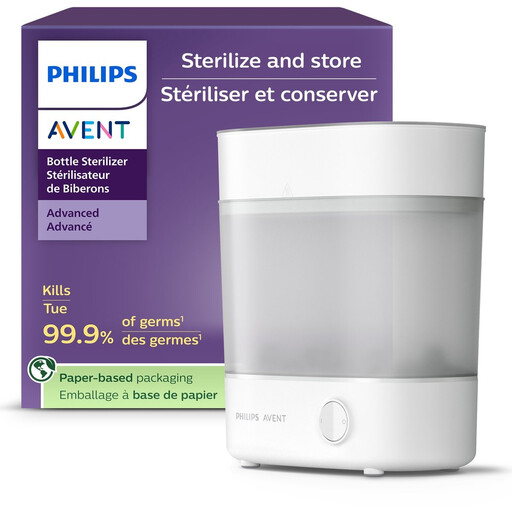
Why it suits this type of user: A good fit for families who need to clean several bottles and pump accessories each day and value a consistent routine.
Its capacity and cycle time are clearly stated: up to 6 Philips Avent bottles and a 10-minute steam cycle. Cleaning beforehand is still essential.
Space for bottles and accessories, automatic shut-off and a drying function. Philips states that it provides up to 24 hours of hygienic protection when the lid stays closed.
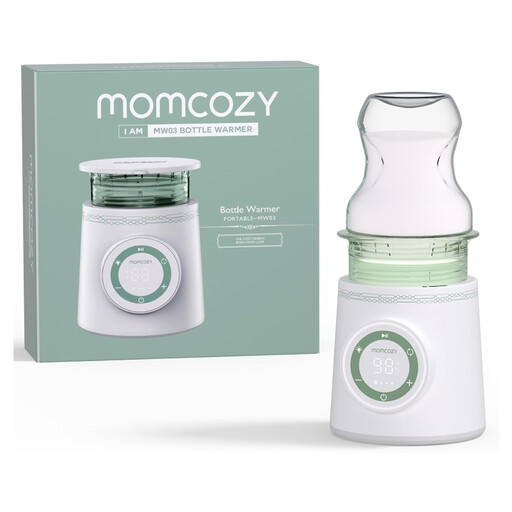
Why it suits this type of user: Handy for parents who regularly travel by car, pushchair or train and don’t always have access to a kitchen.
The included adapter is designed to work with several brands, but check the connection beforehand. Always test the temperature on your wrist.
Built-in battery, leak-resistant design according to the product information, and a portable size. Use only approved cables and chargers.
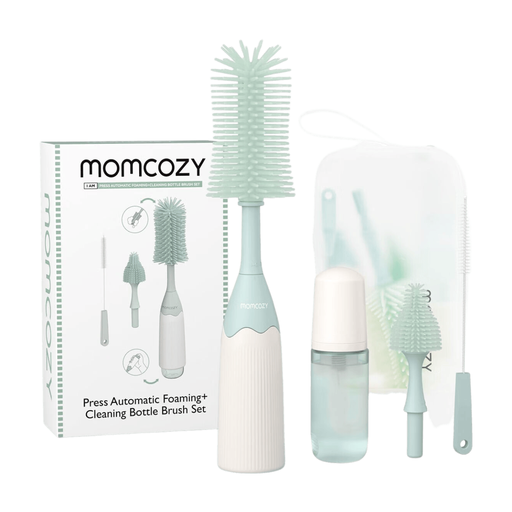
Why it suits this type of user: A practical choice if you clean teats, tubing or narrow pump parts as well as bottles.
The set includes different brush heads, so you don’t have to rely on one large brush for every opening. Rinse each part after use and leave it to dry completely.
A main brush, teat brush and tube brushes in one set, with a storage case. According to the product information, the silicone parts can be sterilised.
We’ve put together a complete, up-to-date list of products that meet these strict selection criteria and the applicable European safety regulations.
It depends on how you combine breastfeeding and bottle-feeding, and how often you wash up. Start with a small set that suits your feeding routine. Having several bottles is useful if you don’t want to clean one straight after every feed. It’s best to try one type of bottle and teat before buying a large supply.
Before each use, check the teat for cracks, stickiness, discolouration, swelling or other signs of wear. Replace it straight away if it’s damaged. An age guide doesn’t mean a teat is automatically worn out, but it’s still important to inspect it. Never use a feeding teat as a dummy.
Not every family needs an electric bottle steriliser. Thorough cleaning, rinsing well and drying properly are the essentials. A steriliser can save time, particularly if you use several bottles, teats and pump accessories every day. Always follow the instructions, keep electrical parts dry and check that your accessories are suitable for steam or heat.
