
Vandaag of morgen in huis

Kwaliteit gegarandeerd

Welkomstaanbiedingen ontgrendelen: GRATIS bezorging | Tot 80% korting | Gratis 30 dagen JoyPlus-proefperiode
Download de app
A baby bottle warmer can make feeding easier, especially during night feeds or when you’re preparing several bottles a day. However, warmers vary considerably in how they heat, how you control the temperature, which bottles they fit and how easy they are to maintain. A low purchase price also tells you little about how convenient a warmer will be to use every day.
The key question is not just how quickly a warmer heats up. You also need to consider whether it suits your bottles, feeding routine and home or travel arrangements.
A short advertised heating time often applies only in specific conditions, such as with a certain volume of milk at a particular starting temperature. Cold milk from the fridge may take longer to heat than water or food at room temperature.
So always check:
A bottle warmer may be described as suitable for many standard bottles, while wider bottles, glass jars or bottles with an unusual base may not fit as well. If you’re unsure, measure the diameter of your bottle and check whether a basket or adapter is included.
Also consider the difference between:
A bottle warmer with a keep-warm function can maintain the set temperature for a certain period. This doesn’t mean milk or prepared food can be left in it safely for as long as you like. Always follow the packaging instructions and advice from your midwife, health visitor or another qualified healthcare professional on preparing, storing and discarding feeds.
A good baby milk warmer should be easy to set up for your feeding routine. Some models use a timer, while others let you select a target temperature or choose a programme for milk, bottles and jars.
A digital temperature display, as on the Beurer BY52, makes settings easier to read. A warmer with preset programmes may be quicker to use. After every heating cycle, check the temperature by placing a few drops on the inside of your wrist. The outside of the bottle may feel cooler than the contents.
A large water reservoir is useful if you’re preparing several feeds in a row. According to its product specifications, the Baby Brezza Instant Warmer has a 1,5 litre reservoir and measures 18,2 × 18,2 × 38,8 cm. Measure the space available on your worktop or bedside table before you buy.
Also check:
For home use, a mains-powered model is usually practical. If you often travel by car, look for a travel bottle warmer with a 12V car adapter. A battery-powered model gives you more freedom, but check how it charges, which cables are included, whether the connection is leakproof and which adapters are compatible.
A bottle warmer for breast milk and formula should also suit the way you feed your baby. Not every model has the same settings for breast milk, formula and baby food. Don’t treat claims about preserving nutrients as a guarantee. Some brands say their gradual heating process is designed to help, but the result still depends on the amount being heated, its starting temperature and how you use the warmer.
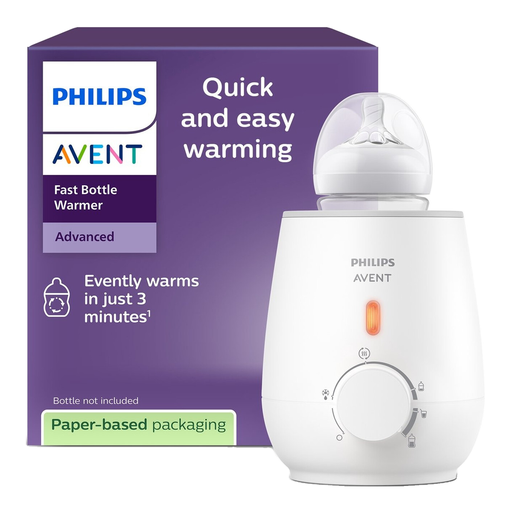
Why it suits this need: It’s designed for everyday use and, according to the product information, can also warm baby food and defrost food.
The listed features go beyond quick warming: there’s also a defrost setting. Check that your bottle shape fits properly.
Warms milk, defrosts gradually and heats baby food; stated power: 300 W.
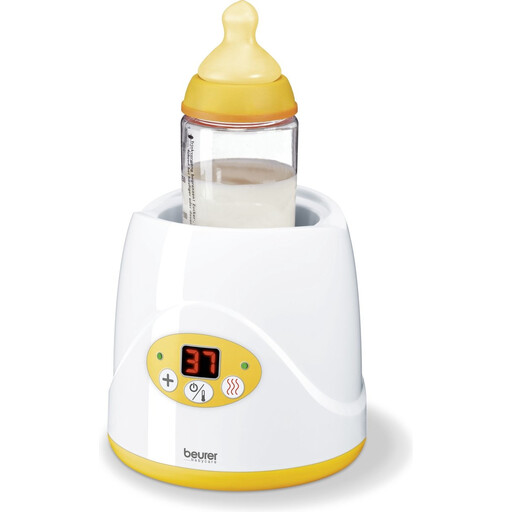
Why it suits this need: The digital LED display and adjustable temperature are handy for carers who want greater control over the settings.
The display shows the selected temperature and progress, so you’re less reliant on a rough estimate of heating time.
Adjustable temperature from 35 to 85 °C according to the product description; suitable for bottles and jars.
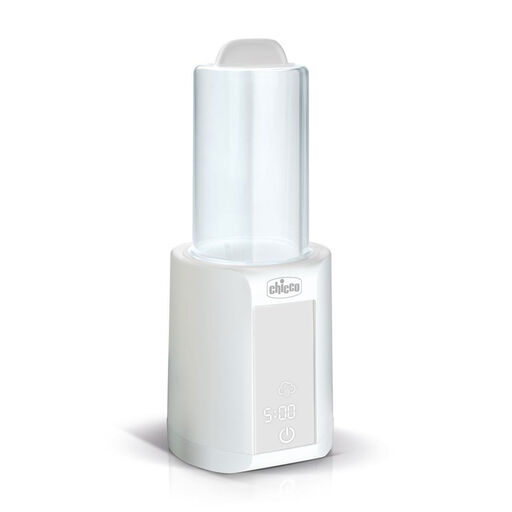
Why it suits this need: According to the product information, this model combines warming, defrosting, keeping warm and steam sterilisation, making it useful for households with several childcare tasks to manage.
The range of programmes lets you take the type of feed, starting temperature and bottle size into account. Check the manual for exact compatibility.
Four functions and 21 programmes according to the product description; the claim of up to 99,9% bacteria removal comes from the manufacturer.
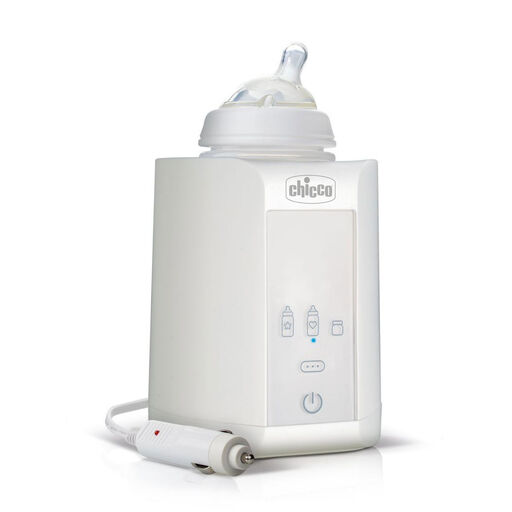
Why it suits this need: The included 12V car adapter is designed for families who want to warm milk or baby food on car journeys.
You don’t have to rely solely on a mains socket. Check your car’s 12V connection, and don’t use the warmer while driving.
12V car adapter, three heating programmes and a stated heating time of around four minutes.
We’ve put together a complete, up-to-date list of products that meet these strict selection criteria and the applicable European safety regulations.
A baby food warmer uses hot water, steam or a heating plate. Place it on a stable, heat-resistant surface, out of children’s reach. Don’t leave it unattended while in use, and check the temperature before every feed.
Empty the water chamber regularly and remove limescale according to the instructions in the manual. Don’t use a warmer with a damaged cord, cracked casing or missing parts. For models with a battery or car adapter, check the cables and connections before use too.
Its lifespan depends on how often you use it, water quality, descaling and general maintenance. A warmer used every day needs cleaning more often than one you only take on occasional trips. Keep the manual and check the seals, plug and heating chamber regularly.
That depends on its power rating, heating time and keep-warm function. A short heating cycle generally uses less energy than keeping milk warm for an extended period. Switch the warmer off when you’re not using it, and unplug it as directed in the safety instructions.
No. Always check the stated compatibility. Consider the bottle’s diameter, height, material and base shape. A basket may help with small jars, but it won’t solve every fit issue. If you’re unsure, follow the product specifications and manual.
