
Vandaag of morgen in huis

Kwaliteit gegarandeerd

Welkomstaanbiedingen ontgrendelen: GRATIS bezorging | Tot 80% korting | Gratis 30 dagen JoyPlus-proefperiode
Download de app
Buying a baby bottle seems simple, but the right combination of bottle, teat and accessories can make a big difference in practice. Parents who combine breastfeeding with bottle-feeding often look for a natural drinking experience. For everyday use, cleaning, warming, storage and the amount of space on the worktop are also important.
Keep an eye out for these three common pitfalls:
Requirements vary from one family to another. For a simple start, a few baby bottles with suitable teats, a baby bottle brush and a way to leave the components to dry are often enough. If you prepare several feeds a day, you may benefit from a bottle warmer or bottle steriliser.
A practical starter set consists of:
A baby bottle is only practical when the teat suits your baby’s age and feeding needs. For example, a 250 ml bottle may come with a teat suitable from three months onwards. If you want to use that bottle from birth, you may need a separate 0m+ teat.
A teat that is too fast can cause unsettled feeding, while one that is too slow can be frustrating. This is not a fixed medical rule, but a practical point to consider alongside the age recommendation and your baby’s cues.
Polypropylene (PP) is lightweight and resistant to breakage. Silicone is often used for teats and valves. Check whether the product is BPA-free, which parts are dishwasher-safe and whether replacement teats are available.
Also consider the capacity:
When cleaning and sterilising baby bottles, every component should be taken apart. Rinse away milk residue, clean the bottle and teat with warm water and suitable washing-up liquid, then allow everything to dry completely.
A bottle steriliser does not replace cleaning: visible milk and grease residue must be removed first. With an electric appliance, check the required amount of water, automatic shut-off, capacity and available space. When choosing a bottle warmer, look at the warming time, defrosting function and compatibility with your baby bottle.
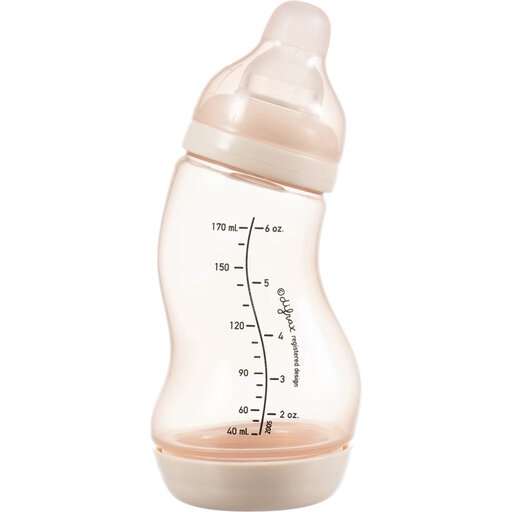
Why it suits this profile: The 170 ml capacity and included S teat are designed for use from birth. According to the product information, the bottle is dishwasher-safe and has a screw-off base.
The teat size and capacity are clearly stated. The detachable base makes it easier to inspect and clean the valve.
170 ml capacity; PP bottle; S teat; screw-off base; BPA-free according to the product information.
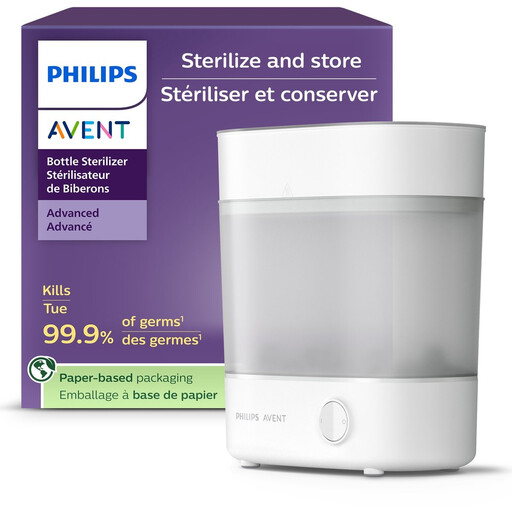
Why it suits this profile: This model combines steam sterilisation and drying, with room for up to six Avent bottles and accessories.
The stated capacity and programmes make it clear whether the appliance suits the number of bottles you use each day.
Up to six bottles; automatic shut-off; integrated drip tray; drying function according to the product description.

Why it suits this profile: The set includes a bottle brush, teat brush, straw brush, soap dispenser, drying rack and storage case.
The different brush heads are designed for narrow openings and accessories, so you do not have to clean everything with one oversized brush.
Food-grade silicone; BPA-free plastic according to the product information; folding drying rack; compact case.
We have put together a complete, up-to-date list of products that fully meet these strict selection criteria and the applicable European safety regulations.
Take the baby bottle, ring, teat and valve fully apart. Rinse away milk residue, wash each component with warm water and mild washing-up liquid, and use a suitable bottle cleaner. You can then boil the components or place them in a steam steriliser, following the instructions for use. Allow everything to dry completely before reassembling the bottle.
This depends on the material, use and signs of wear. Before every feed, check teats and silicone valves for cracks, stickiness, discolouration or deformation. Replace a brush when the bristles start to come loose or the brush head no longer cleans properly. Always follow the manufacturer’s instructions for replacement intervals.
A bottle warmer uses electricity, whereas warming milk in warm water does not require a separate appliance. Running costs depend on the power rating, warming time and number of feeds. A 300 W model uses relatively little energy during a short cycle, but check current tariffs and usage time. Above all, choose an appliance that suits your routine and bottle size.
