
Vandaag of morgen in huis

Kwaliteit gegarandeerd

Welkomstaanbiedingen ontgrendelen: GRATIS bezorging | Tot 80% korting | Gratis 30 dagen JoyPlus-proefperiode
Download de app
Choosing the right products for baby bath and wash may seem straightforward, but packaging often uses the same terms: gentle, caring, dermatologically tested and suitable for sensitive skin. Those words don’t always tell you how a product will fit into your daily routine. So focus on the ingredients, how to use it and the information on the label.
A baby product may contain traditional soap, cream soap or a soap-free formula. The difference matters most if your baby has dry or easily irritated skin. Check the packaging for clear statements such as soap-free, SLES-free or similar product specifications. Baby soap can be practical, but it won’t be the best choice for every child.
Baby bubble bath can make bath time more fun, but a large amount of foam isn’t an objective measure of how gentle a formula is. Check the ingredients and directions for use. A bath product you use every day should be easy to rinse off and shouldn’t require more product than necessary.
A familiar scent may be pleasant for parents, but it doesn’t tell you whether a product is suitable for your baby. Sensitive skin can also react to fragrances. Check whether perfume is included in the ingredients list and, if in doubt, choose a formula with as few extras as possible. Claims such as “hypoallergenic” or “dermatologically tested baby product” describe product features; they don’t guarantee that every child will tolerate the product without a reaction.
A soap-free baby wash doesn’t contain a traditional soap base. Products labelled SLES-free avoid a specific sulphate cleanser. These features can help you compare products, but they don’t tell the whole story: other cleansing ingredients and perfume are also listed in the ingredients.
A pH-friendly formula is designed to match the acidity stated on the product packaging. Use this as a point of comparison, not as a medical promise. According to the product information for various Zwitsal and NAÏF products, these formulas are dermatologically tested or pH-friendly for skin.
A bar of soap is handy to take with you and creates little packaging waste per use. A pump bottle of baby wash gel is practical when you need to use one hand. Look for a stable bottle, a secure cap and a dispenser that lets you control the amount.
A small amount of liquid product is usually enough for a bath. Always follow the directions on the packaging. Using more product doesn’t automatically mean a cleaner result.
A product for everyday washing in the shower serves a different purpose from a concentrated bubble bath. Think about your routine first:
A baby bath oil alternative could be a cream soap or soap-free wash gel if you don’t want an oily texture in the bath. Choose based on the ingredients and how you plan to use the product, rather than just the name on the front.
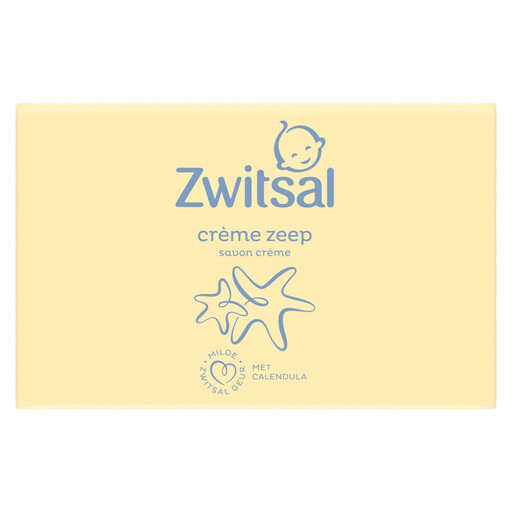
Why it suits this profile: The solid format is easy to use, and the pack contains four 90 g bars. According to the product information, the cream soap contains calendula, is pH-friendly for skin and is SLES-free.
The product information clearly states the type, quantity and SLES-free formula. That means you don’t have to rely solely on the fragrance or the front of the packaging.
Solid cream soap, 4 x 90 g, with calendula; pH-friendly for skin and, according to the product information, dermatologically tested.
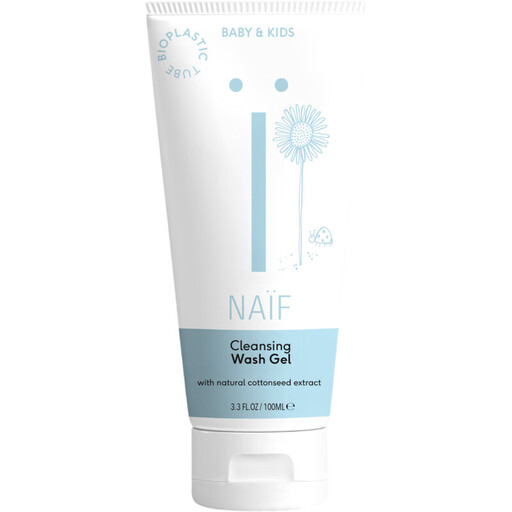
Why it suits this profile: According to the product description, this wash gel is soap-free, contains no SLES or microplastics, and is designed for use in the bath or shower.
The ingredients list and product description provide specific information about the cleansing base, rather than relying on general terms such as “caring”.
200 ml, soap-free and, according to the product information, free from SLES and microplastics; contains cotton extract.
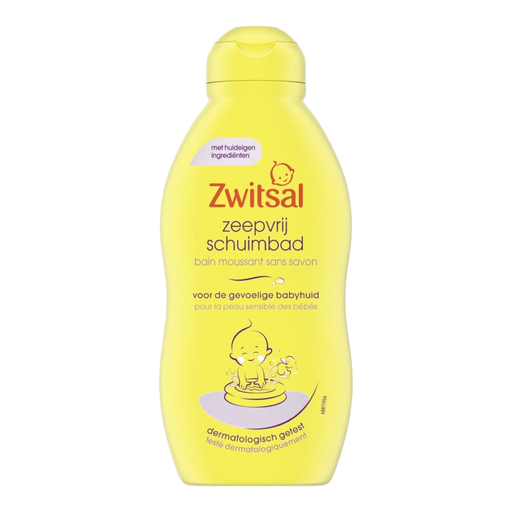
Why it suits this profile: This product is designed for bath time and, according to the product information, contains 0% SLES, no colourants and a pH-friendly formula. It suits families who want to combine bath time with washing.
The product details clearly state its intended use, that it contains no SLES or colourants, and who it’s for. This makes it easier to compare than judging by the amount of foam alone.
200 ml, soap-free formula and, according to the product information, free from SLES and colourants; suitable for use in the bath.
We’ve put together a complete, up-to-date list of products that meet these strict selection criteria and the applicable European safety regulations.
It depends on their age, activity and skin type. A daily wash isn’t always necessary; a quick clean of the skin folds and a bath a few times a week may be enough. If your baby has dry or irritated skin, follow the advice of a doctor or health visitor.
It depends on the formula. Check whether the product is soap-free, which cleansing ingredients it contains and what the manufacturer recommends on the packaging. Use a small amount, rinse thoroughly and stop if redness or irritation occurs.
According to the product information, some products are designed for sensitive baby skin and are dermatologically tested. However, this isn’t a guarantee for every child. Introduce a new product carefully, avoid contact with the eyes and always use baby bubble bath under adult supervision.
