
Vandaag of morgen in huis

Kwaliteit gegarandeerd

Welkomstaanbiedingen ontgrendelen: GRATIS bezorging | Tot 80% korting | Gratis 30 dagen JoyPlus-proefperiode
Download de app
Baby bath and wash gel may seem like a straightforward product, but formulas can vary considerably. Parents often look for terms such as “hypoallergenic”, “natural” or “dermatologically tested”. These terms don’t always tell you how a product will suit your baby in everyday use, what’s on the ingredients list or how it will fit into your bath-time routine.
Here are three common pitfalls to watch out for:
Check the label to see whether the baby bath and wash gel is soap-free. Soap-free doesn’t mean the product contains no cleansing agents; it means it doesn’t contain traditional soap ingredients. Many products use mild surfactants, such as coco-glucoside or cocamidopropyl betaine.
Also look out for:
A claim such as “dermatologically tested” describes a test or assessment carried out by the brand, but it doesn’t guarantee that every skin type will tolerate the product well. “Hypoallergenic” doesn’t mean an allergic reaction is impossible either. If your child already has skin problems or persistent irritation, it’s a good idea to speak to a GP or another healthcare professional.
Not every baby body wash is designed for the same purpose. A product may be suitable for:
Baby bath oil is used differently from a gel that you apply directly to the skin. Always follow the instructions and rinse the product off thoroughly if directed.
Compare the volume in millilitres, rather than just the price of the bottle. A multipack may suit families who wash their baby daily, while a single bottle is more convenient if you want to see how your baby’s skin reacts first.
Also check:
A pH-friendly formula, as stated for some products, may fit into a gentle skincare routine. However, pH alone doesn’t determine whether a product is suitable for every child.
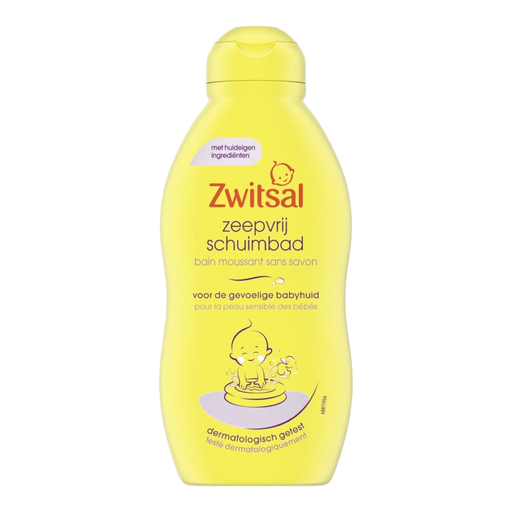
Why it suits this need: A manageable-sized bottle for anyone who wants to try a baby bubble bath without buying a large multipack straight away. The product description says it can be used on babies’ and young children’s bodies and faces.
The product is described as “soap-free”, with 0% SLES and no colourants. Check the full ingredients list if perfume is a concern.
200 ml; skin-friendly pH according to the product information; suitable for baths and body cleansing.
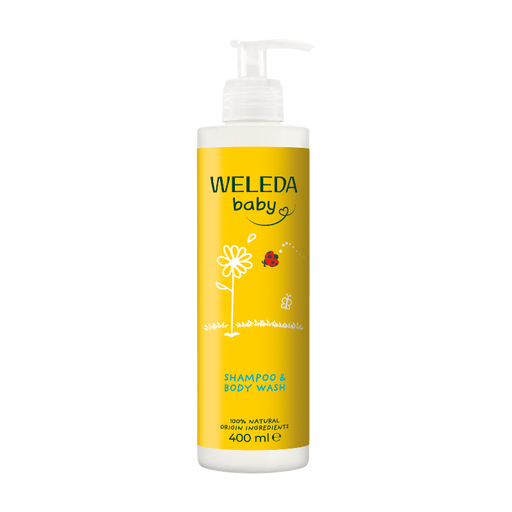
Why it suits this need: A handy choice for parents who want to wash their baby’s hair and skin with one product, and value ingredients such as organic calendula, sesame oil and sweet almond oil.
The ingredients are clearly listed, so you can check for yourself whether the fragrances and oils suit your preferences and your child’s skin.
400 ml; shampoo and body wash in one; according to the product description, suitable for daily use and designed to make hair easier to comb.
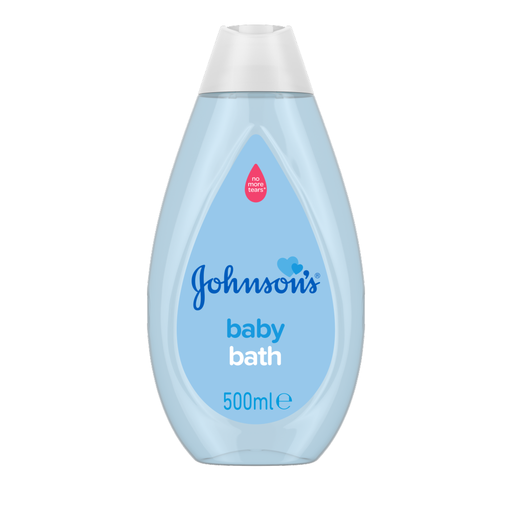
Why it suits this need: A larger bottle for families who bathe their baby regularly and want a product that can be used in bath water or applied directly to the skin.
According to the product information, the formula contains no soap, parabens, sulphates, alcohol, phthalates or colourants. Always check the current packaging before buying.
500 ml; pH-neutral according to the product description; dermatologically tested according to the manufacturer.
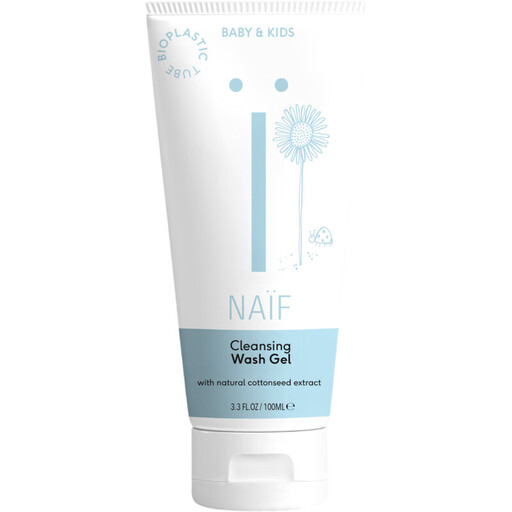
Why it suits this need: Aimed at parents looking for a soap-free baby wash gel for bath or shower who want to check the ingredients carefully.
The product description says it contains no SLES or microplastics. However, perfume is included in the ingredients list, which is worth noting if you prefer fragrance-free skincare.
200 ml; soap-free according to the product information; designed for babies and children.
We’ve put together a complete, up-to-date list of products that meet these strict selection criteria and the applicable European safety regulations.
Most babies don’t need to be washed with a cleansing product every day. You can use water alone on some days, and use a baby body wash when it’s practical, for example after your baby has been sweating a lot or is visibly dirty. Follow the instructions on the packaging and keep an eye on how your baby’s skin reacts.
That depends on the ingredients and your baby’s individual skin. Check for perfume, colourants, sulphates and the full INCI list. “Soap-free” or “dermatologically tested” can be useful information, but neither is a personal guarantee. Stop using the product if irritation occurs, and ask a healthcare professional for advice if symptoms persist.
Check the expiry information and the period-after-opening symbol on the packaging. Close the bottle securely after use and store it as instructed. If the product changes in smell, colour or consistency, stop using it.
