
Vandaag of morgen in huis

Kwaliteit gegarandeerd

Welkomstaanbiedingen ontgrendelen: GRATIS bezorging | Tot 80% korting | Gratis 30 dagen JoyPlus-proefperiode
Download de app
Bath time with your baby seems simple: warm water, a little wash gel and a towel. But not all baby bath products are equally suitable for every skin type or bathing routine. A strong fragrance, unclear ingredients or awkward packaging could lead you to buy a product that ends up barely being used.
This practical guide focuses on what the label and product information actually say. You can compare baby bath oil, baby bubble bath, baby bath gel, soap-free baby wash and baby bath cream without being swayed by general marketing claims.
The words dermatologically tested mean that a brand has had a product tested, but they don’t automatically mean it’s suitable for every baby’s skin. Testing methods, participants and conditions can vary. So check the ingredients, fragrance and instructions for use too.
For sensitive skin, a simple formula with as few unnecessary ingredients as possible may be a sensible choice. Stop using the product if irritation occurs, and ask a doctor or pharmacist for advice if symptoms persist.
Lots of bubbles can make bath time more fun, but they don’t mean the skin is being cleansed more effectively. Some foaming products contain surfactants that may not suit every child. So baby bubble bath or baby bath gel should be chosen to suit your child’s skin and your preferred bathing routine.
Check whether the product is soap-free and whether its fragrance is clearly listed. “Natural”, “nourishing” and “moisturising” are no substitute for a full ingredients list.
A 700 ml bottle may seem like good value, but it isn’t always practical if you only use a small amount per bath or find the packaging difficult to dispense. Compare the volume, number of packs and recommended amount to use. Also check the product’s shelf life and how long it can be used after opening, as stated on the packaging.
For bath products for sensitive baby skin, a soap-free formula is often a practical starting point. That doesn’t mean every soap-free product will suit every child. Also check whether the product contains fragrance and which cleansing agents it uses.
A soap-free baby wash is usually intended for the body and sometimes the face. Use it as directed on the packaging and avoid contact with the eyes. Baby bath oil serves a different purpose: depending on the instructions, it can be applied to the skin or added to the bath. Take extra care, as it can make the bath slippery.
According to a brand’s product information, a product may, for example, be free from SLES, colourants, microplastics or soap. These are verifiable features if they’re also shown on the packaging or ingredients list. Claims about relaxation, sleep or a calming effect shouldn’t be treated as guaranteed results.
For example, Weleda’s product information says that its Calendula Relax Cream Bath contains lavender and neroli and has a gel-cream formula. The claim that 87% of parents reported better sleep is based, according to Weleda, on its own usage study involving 30 children over two weeks. This is no guarantee that your child will have the same experience.
Choose packaging that you can open and dispense with one hand while holding your baby securely. A pump bottle can be handy for everyday use, while a multipack may offer better value if you already know the product.
A folding baby bath may be useful for small bathrooms in the Netherlands or for travelling. Before buying, always check the dimensions, material, stability and how the bath should be placed on a flat surface. Never leave a child unattended in the bath, even for a short time.
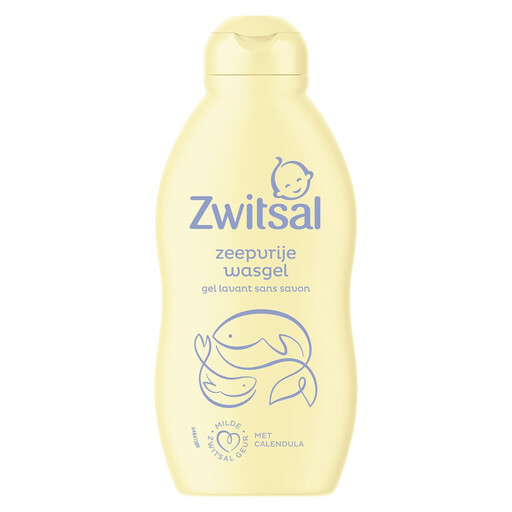
Why it suits this profile: A compact size for parents who want to try an everyday baby bath gel first. According to the product information, the wash is soap-free, SLES-free and suitable for use from birth.
The product information clearly states that it is soap-free and intended for the body and face. So you don’t have to judge it by how much it lathers.
200 ml, soap-free, SLES-free, skin-friendly pH according to the product information, and dermatologically tested according to the brand.
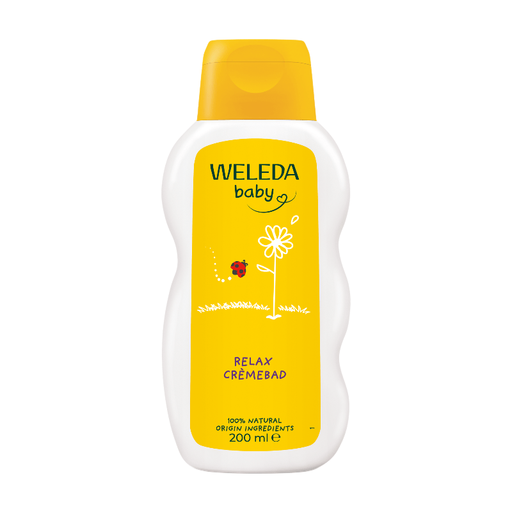
Why it suits this profile: A good choice for parents looking for a nourishing bath-time ritual with a natural positioning, and who are prepared to consider the ingredients and fragrance carefully.
The product description explicitly states that the formula is soap-free and contains no microplastics, SLS or SLES. However, the lavender and neroli fragrance is an important consideration for sensitive skin.
200 ml, gel-cream formula, lavender and neroli fragrance, and 100% natural ingredients with a NATRUE guarantee label, according to the product information.
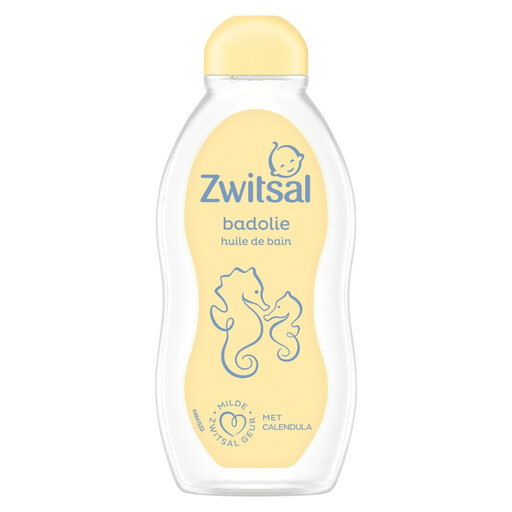
Why it suits this profile: An option for parents specifically looking for baby bath oil to care for skin that feels dry, and who want to apply the oil according to the instructions.
The instructions say to use a small amount and rinse thoroughly. This makes it clearer how to use than an oil without dosing advice.
200 ml, contains calendula according to the product information, suitable for babies from birth according to the brand, and a bottle made from 100% recycled plastic.
We’ve put together a full, up-to-date list of products that meet these strict selection criteria and current European safety regulations.
It depends on your child’s age, activity level and skin. A daily bath usually isn’t necessary; a short bath a few times a week may be enough. In between, focus on cleaning skin folds and the nappy area. If your baby’s skin is vulnerable or irritated, follow the advice of a healthcare professional.
No. Always check the ingredients and instructions for use. Oil can make the bath slippery and should be kept away from the eyes. If in doubt, try a small amount on a limited area of skin first and stop using it if irritation occurs. Oil also doesn’t automatically replace a cleansing baby bath gel.
Baby bubble bath is mainly designed to create bubbles and make bath time more fun. Baby bath cream usually has a creamier formula and is presented as a combination of cleansing and caring for the skin. Don’t rely on the name alone: compare the ingredients, fragrance, volume and specific instructions on the packaging.
