
Vandaag of morgen in huis

Kwaliteit gegarandeerd

Welkomstaanbiedingen ontgrendelen: GRATIS bezorging | Tot 80% korting | Gratis 30 dagen JoyPlus-proefperiode
Download de app
As a parent or parent-to-be, you want only the softest and safest products for your baby. But the shelves are lined with bottles, all promising to be the best. How do you choose the right baby bath products without falling for marketing ploys or using products that irritate sensitive skin?
Many parents unknowingly make choices that aren't ideal for their baby's skin. Two common pitfalls are:
This guide will help you see through the claims and focus on what truly matters for your baby's care.
Before you put a product in your basket, there are a few objective features that make all the difference. By paying attention to these, you can make an informed choice.
A baby's skin is thinner and more sensitive than an adult's. Traditional soap has a high pH value that can disrupt the skin's natural, slightly acidic protective barrier. This makes the skin vulnerable to dehydration and irritation.
Soap-free baby care uses milder cleansing agents that clean the skin without damaging this protective layer. A pH-balanced formula respects the natural acidity of a baby's skin, helping to keep it in balance. Products like a baby wash gel or baby bath oil are often based on these principles.
The ingredients list (INCI) is your most important tool. Look for products that are free from:
Instead, look for nourishing ingredients like glycerin (helps retain moisture), natural oils (such as almond or cottonseed oil), and calming extracts (like calendula). These are hallmarks of many natural baby products that go beyond just a marketing claim.
A bath-time ritual should be relaxing, not stressful. A baby shampoo or wash gel with a tear-free formula is specially designed to not irritate the eyes. Brands often state this explicitly on the packaging. This is a practical benefit that makes washing your baby's hair much more pleasant for both of you.
Not every family has the same needs. Below is a selection of popular baby care products, tailored to different requirements.
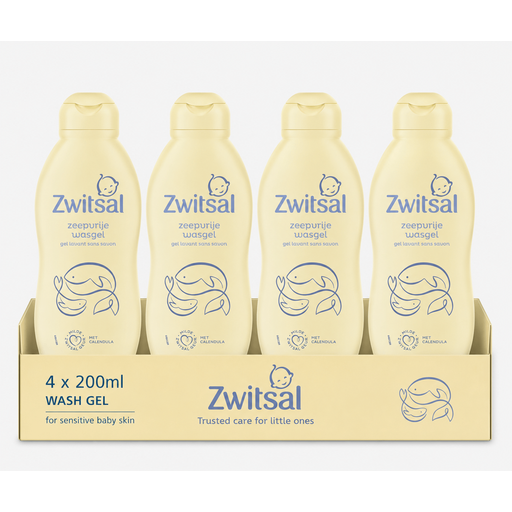
Why This Fits Their Persona: Ideal for parents looking for a reliable, affordable, and multi-purpose product. This wash gel is a no-fuss choice that can be used for both body and face. The value pack makes it extra practical.
This is a soap-free baby care product that cleanses the skin without drying it out, unlike products with harsh foaming agents.
Dermatologically tested, pH-friendly for skin, and SLES-free. The formula contains calendula and has the classic, mild Zwitsal scent.
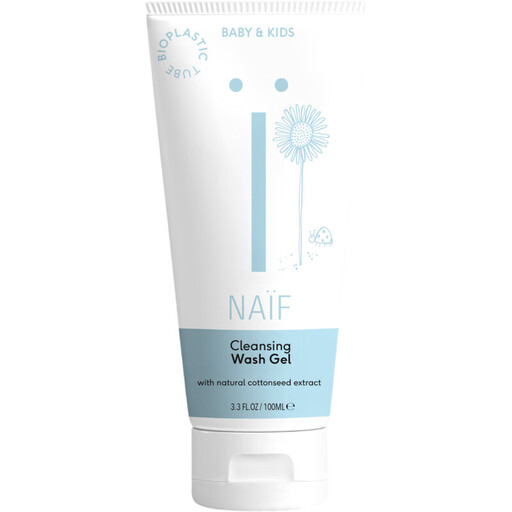
Why This Fits Their Persona: Perfect for parents who value natural baby products and ingredient transparency. Na?f focuses on what's left out (like SLES and microplastics) as much as what's put in (natural ingredients).
This product avoids vague 'natural' claims by being specific: it is free from SLES, microplastics, and the 26 most common fragrance allergens.
The formula with cottonseed extract and vegetable glycerin gently cleanses and moisturises. The scent is allergen-free, making it suitable for very sensitive skin.
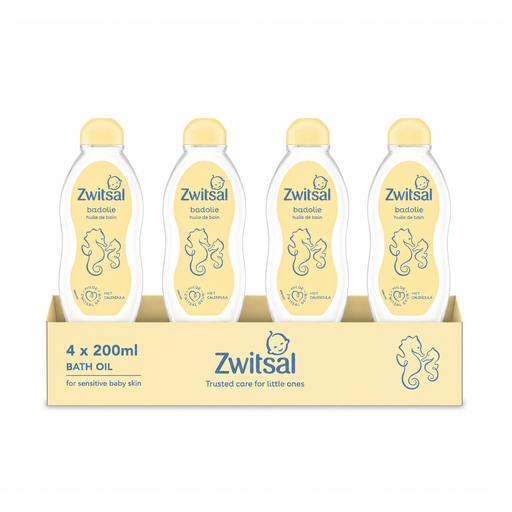
Why This Fits Their Persona: A perfect solution for babies with (very) dry or sensitive skin. This baby bath oil is specially designed to provide extra hydration and protect the skin from drying out during bath time.
Instead of cleansing with foam, which can strip the skin barrier, this oil leaves a protective and nourishing layer on the skin. It cleanses gently without causing dryness.
Helps maintain the skin's natural moisture balance and is enriched with calendula. Suitable from the very first bath for soft and supple skin.
We have compiled a complete, up-to-date list of products that fully meet these strict selection criteria and Dutch safety regulations.
For a newborn, a bath two to three times a week is sufficient. Bathing too often can actually dry out their sensitive skin. A daily wash with a washcloth for the face, hands, and diaper area is often enough.
You can use mild products specially developed for babies, such as a baby bath oil, right from the first bath. In the first few weeks, water alone is also perfectly fine. When you do introduce products, choose the gentlest, most hypoallergenic, and soap-free options.
A baby wash gel is primarily intended for actively washing the skin, similar to a shower gel for adults. You apply it directly to the skin. Baby bubble bath is added to the bathwater to create a foamy bath. Wash gels are often milder and more focused on cleansing, while bubble bath is more for the experience. For the little ones, a mild wash gel is often the most functional choice.
