
Vandaag of morgen in huis

Kwaliteit gegarandeerd

Welkomstaanbiedingen ontgrendelen: GRATIS bezorging | Tot 80% korting | Gratis 30 dagen JoyPlus-proefperiode
Download de app
A baby’s bath may seem straightforward: warm water, a splash of product and you’re done. But choosing baby bath oil or another baby bath product can be tricky. Some packaging focuses mainly on fragrance, foam or natural ingredients, when the formula, directions for use and suitability for sensitive skin are what really matter.
Look out for these common pitfalls:
Not every product with “oil” in its name is a pure oil. A gel-cream, bath cream or bath product with nourishing oils may create a milky or creamy texture when it comes into contact with water. So check the product type and the full ingredients list.
When choosing gentle baby bath oil or bath care, look for:
A product for sensitive baby skin doesn’t necessarily have to be completely fragrance-free. Consider what suits your child, and stop using the product if redness, irritation or excessive dryness occurs.
A product’s skin-friendly pH or pH-neutral specification can be checked, but it doesn’t tell you everything about the overall formula. The amount you use also makes a difference. Don’t use more product than the label recommends: using a larger amount won’t necessarily make bath time gentler.
When bathing your baby:
A 200 ml bottle may be suitable for occasional use, while a 500 or 700 ml pack may be more convenient for families who bathe together regularly. Don’t compare only the purchase price: also consider the price per millilitre, the recommended dosage and how long the product keeps after opening.
A relaxing baby bath isn’t just about fragrance, either. A calm routine, soft lighting and plenty of time can make bath time more enjoyable. According to Weleda’s own research, 87% of parents in a study involving 30 children said their child slept better after using Calendula Relax Cream Bath. This is a brand-specific research claim, not a guarantee for every child.
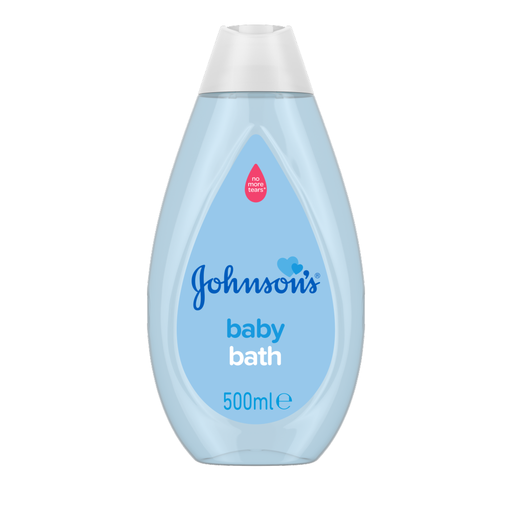
Why it suits these needs: The 500 ml size is practical for regular use, and the product description gives clear information about how to use it, warnings and the formula’s properties.
The description explicitly mentions a soap-free formula, pH-neutral properties and no colourants, sulphates, alcohol, parabens or phthalates. Check the current packaging for the full ingredients list.
500 ml; described in the product information as dermatologically tested, hypoallergenic and suitable for use in bath water or on the skin.
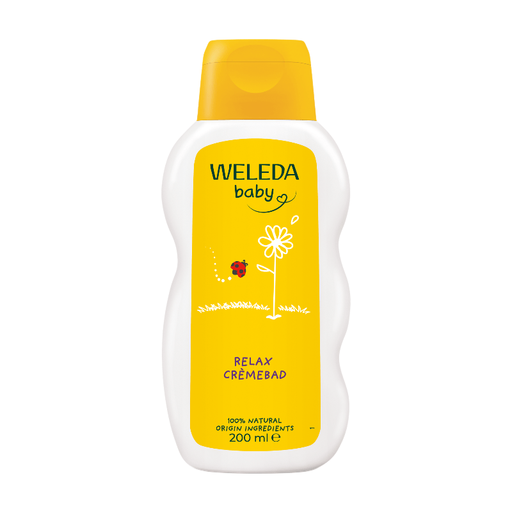
Why it suits these needs: This product is a good fit for parents looking for a baby bath cream to make bath time a soothing ritual, with a subtle lavender and neroli fragrance.
According to the product description, the gel-cream turns into a soft cream in bath water. The brand states that the product is free from soap, microplastics, SLS and SLES.
200 ml; described in the product information as containing 100% natural ingredients and carrying a NATRUE label. Check the label when you buy.
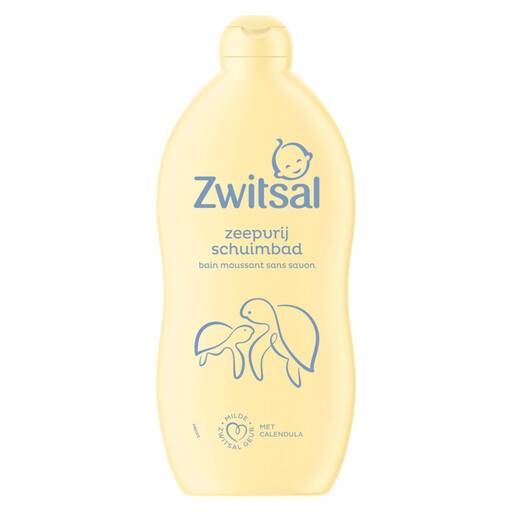
Why it suits these needs: The larger bottle is practical for families who regularly give their baby a bath or bubble bath and want a soap-free product with a familiar fragrance.
The product description states that it contains 0% SLES, has no colourants and has a skin-friendly pH. According to the brand, the formula has been dermatologically tested.
700 ml; soap-free formula; intended for use in the bath and under adult supervision.
We’ve put together a complete, up-to-date list of products that meet these strict selection criteria and current European safety regulations.
That depends on the formula, your baby’s skin and the directions on the label. A bath product may be gentle, but long daily baths or using a lot of product can still dry out the skin. Use the recommended amount and look out for redness, itching or a tight feeling.
Baby bath oil usually contains oil-based nourishing ingredients. Baby bath cream often has a creamy formula that makes the water feel softer. Baby bubble bath is more focused on creating bubbles and making bath time fun. The names alone don’t tell you how suitable a product is: always check the ingredients, age recommendation and warnings.
Check the packaging for the shelf life and the period-after-opening symbol. Keep the bottle tightly closed, out of direct sunlight, and make sure water doesn’t get back into the packaging. If the product’s smell, colour or texture changes, it’s best not to use it.
