
Vandaag of morgen in huis

Kwaliteit gegarandeerd

Welkomstaanbiedingen ontgrendelen: GRATIS bezorging | Tot 80% korting | Gratis 30 dagen JoyPlus-proefperiode
Download de app
Asian snacks are popular with people who enjoy sweet flavours, soft textures and interesting fillings. From Taiwanese mochi and Japanese dorayaki to fruity biscuits and pandan treats, there’s plenty to choose from. That can make it difficult to know which products are best with a cup of tea, at the office, in a lunchbox or for sharing.
When you’re shopping, look beyond the packaging. An appealing flavour name tells you little about the texture, portion size or allergens. Use these practical pointers to compare mochi, Japanese snacks, Asian biscuits and filled biscuits more effectively.
Mochi is made with rice flour, which gives it its characteristic elastic, chewy texture. Once opened, however, the outer layer can become drier or stickier if the packaging isn’t sealed properly. So check the storage instructions. Many products should be kept in a cool, dry place, away from sunlight and heat.
Individually wrapped pieces are handy in larger packs. That way, you don’t have to open the whole pack at once – useful for families, students and office snacks.
A name such as blueberry, lychee, pandan or taro often refers to a filling or flavouring, not the full list of ingredients. So check the ingredients list. For example, a fruity centre may be combined with a milk- or cream-like paste in products with two fillings.
According to the product information for several BAMBOO HOUSE mochi products, fruit paste is combined with a milky filling. This gives a different taste experience from mochi made with fruit paste alone. If you’re looking for a strong fruit flavour, it’s worth comparing the ingredients and product descriptions.
Asian snacks may contain milk, egg, wheat, soya, peanuts, nuts or sulphites. Always check the current packaging, especially if you have an allergy or intolerance. A product description may also state that a snack is gluten-free or contains no artificial colourings. Treat this as information provided by the seller, and check the packaging when your order arrives.
Terms such as “less sugar” should also be read in context. According to the product description, Franzzi Coconut Latte Flavored Filled Cookies contains 26% less sugar than the regular range. That doesn’t automatically mean it’s low in sugar.
First, think about what you’re looking for:
A double filling, such as fruit with a milky paste, gives you several layers of flavour. According to the product description, coconut-pandan mochi has an aromatic pandan flavour and a coating of grated coconut.
Compare the net weight with how you plan to enjoy the snack. A 90 to 120 gram pack is ideal for a small tasting or an individual snack. A 150 to 180 gram bag makes more sense for sharing or enjoying over several days, provided you seal it properly.
Individual portions are handy for school, work or when you’re out and about. For larger packs, also check whether each piece is individually wrapped and how long the product will keep after opening.
Check at least the following:
For example, the product information for BAMBOO HOUSE Double Filling Blueberry Mochi states that it contains 332 kcal and 38.3 grams of sugar per 100 grams. The packaging lists milk and egg. This kind of information helps you choose a product that suits you, rather than relying on the flavour name alone.
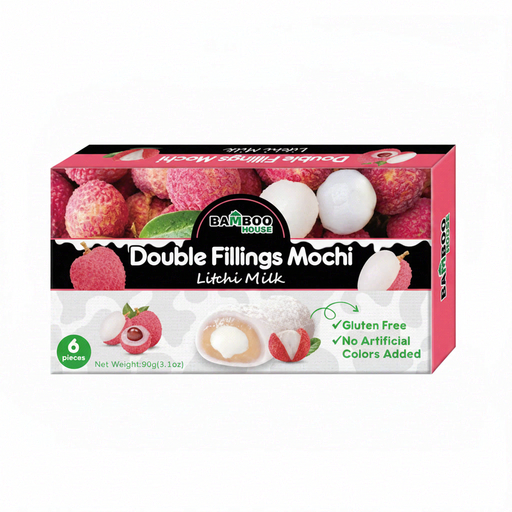
Why it suits this profile: The 90-gram pack is a manageable size if you’re trying mochi for the first time and don’t want to order a large pack straight away.
The smaller pack helps to avoid waste if you’re new to mochi’s chewy texture. The product listing describes a double lychee and milky filling, and says the product is gluten-free.
90 grams; double filling; ready to eat according to the product information.
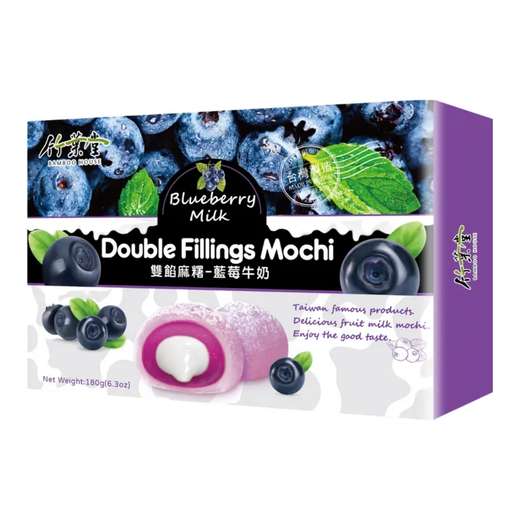
Why it suits this profile: A fruity blueberry centre with a milky layer is a good match for anyone who enjoys layered flavours and Taiwanese mochi.
The product information clearly lists the filling layers, ingredients, allergens and nutritional values. This lets you compare the fruit flavour with the milk and egg ingredients.
180 grams; made in Taiwan according to the product listing; 332 kcal per 100 grams.
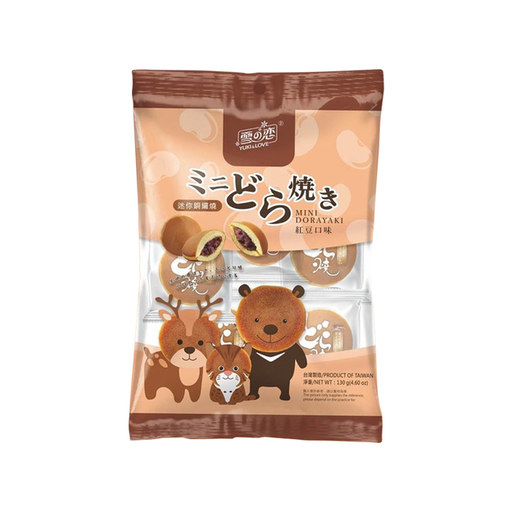
Why it suits this profile: These small, soft cakes are ideal for work, studying, visitors or a snack with coffee or tea.
The product description highlights the mini size and individual portions. This makes it easier to portion out and take with you than a large, unportioned snack.
130 grams; red bean filling; contains wheat, egg and soya according to the product information.

Why it suits this profile: Pandan, coconut and peanut create a distinctive tropical, nutty flavour for anyone looking for something different from fruity mochi.
The product description specifically mentions pandan, a coconut coating and a peanut filling. That makes it clear from the outset that peanut is both a key allergen and an important part of the flavour.
180 grams; soft mochi; coconut coating; clearly described peanut filling according to the product information.
We’ve put together a complete, up-to-date list of products that meet these strict selection criteria and the applicable European safety regulations.
Mochi, mini dorayaki and filled egg rolls all go well with tea or coffee. Fruity mochi offers a sweet, fruity flavour, while pandan, coconut, taro or red bean have a more distinctive profile. Check the pack size if you’re planning to share your snack.
Always follow the label. The product information for several mochi products says to store them in a cool, dry place, away from direct sunlight and heat. Seal the packaging carefully or use an airtight container to help prevent them from drying out. Check the texture, smell and use-by date before eating.
Compare the net weight, ingredients, allergens, nutritional values, storage instructions and country of origin. Also check whether you’re choosing a sample pack or a larger pack to share. This helps you find an order that’s right for enjoying on your own, stocking up the office or sharing with visitors.
