
Vandaag of morgen in huis

Kwaliteit gegarandeerd

Welkomstaanbiedingen ontgrendelen: GRATIS bezorging | Tot 80% korting | Gratis 30 dagen JoyPlus-proefperiode
Download de app
A bottle of fish sauce might seem simple to choose at first. But products can vary considerably in their ingredients, flavour intensity, size and use. For example, a Thai fish sauce for a quick stir-fry may not be the best choice for Som Tam, which calls for a fermented fish sauce, or for a large catering kitchen that needs a bulk pack.
The main pitfalls are usually found not on the packaging, but on the label.
Words such as “authentic”, “traditional” or “premium” don’t tell you much on their own. Check the percentage of anchovies or fish extract, the salt content and the other ingredients. Squid Fish Sauce, for example, contains 77% anchovies, while Three Crabs Brand Fish Sauce lists 49% anchovy extract.
A higher fish content doesn’t automatically mean you’ll prefer the flavour. It may, however, indicate a different balance of salty, savoury and sweet notes.
A 680 to 750 ml bottle is practical if you regularly make stir-fries, soups, marinades or dipping sauces. If you only use fish sauce occasionally, a 180 or 300 ml bottle may be more convenient. It means the seasoning won’t be left open for as long and takes up less space.
For restaurants, catering businesses or large households, a 4.5-litre pack may make more sense financially and practically. Just be sure to check your storage space and the use-by guidance once opened.
Nam Pla is often used to refer to Thai fish sauce. Nam Pla Ra refers to a distinctly fermented variety best known in north-eastern Thai cuisine. This sauce can be stronger, saltier and more aromatic than a standard fish sauce.
So, a product that’s suitable for Som Tam won’t necessarily be the most approachable choice for a mild dipping sauce.
Start with the basics: anchovies, fish extract, salt, sugar, water and any additional ingredients. According to the product information, Squid Fish Sauce contains anchovies, salt and sugar. Cacom-B Fish Sauce lists 65% anchovy extract, 30% salt and 5% sugar.
Extra sugar can give a sauce a rounder flavour, while a high salt content means you’ll need to use it sparingly. The ingredients list also helps you compare products objectively.
Traditional fish sauce contains fish, so it isn’t suitable for a vegetarian or vegan diet. Always check the allergen information on the packaging, especially when preparing food for several people.
A vegan fish sauce made with kombu, seaweed, shiitake or yeast extract can be a plant-based alternative. It won’t taste exactly like fermented fish, but it can add savouriness to stir-fries, noodles, soups and dipping sauces.
Fish sauce is concentrated. When adding it to a stir-fry or soup, start with a small amount and taste again before adding more. Cacom-B’s product information specifically warns of its high sodium content and recommends using it sparingly. Other varieties are also generally high in salt.
Store an opened bottle according to the instructions on the label. Many products should be kept in a cool, dry place, away from sunlight and heat. Some fermented varieties, such as Healthy Boy Fermented Fish Sauce, need to be refrigerated after opening. Always check the packaging of the product you choose.
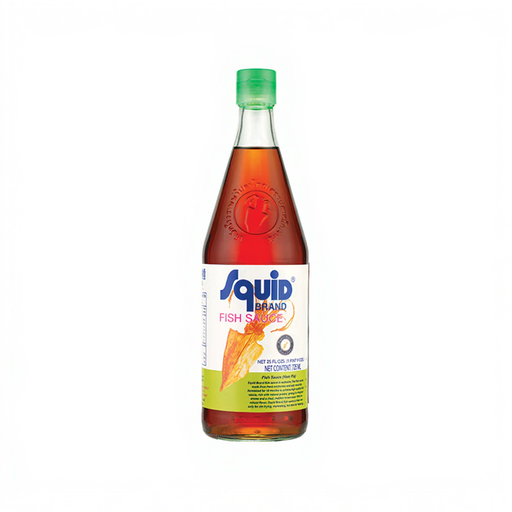
Why it suits this profile: The generously sized bottle is ideal if you regularly cook Asian dishes and want a versatile staple for stir-fries, marinades, soups and dipping sauces.
The ingredients are clearly listed: 77% anchovies, salt and sugar. This makes it easy to compare the product with other varieties.
725 ml; made with 77% anchovies; according to the product information, contains no artificial colourings or preservatives.
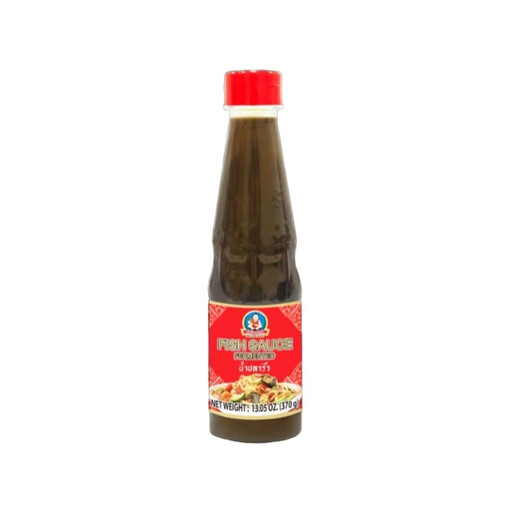
Why it suits this profile: This Thai fermented fish sauce is for cooks specifically looking for Nam Pla Ra for Som Tam and regional Isan dishes.
The product description clearly explains that it’s fermented and how it’s used. This helps distinguish it from a milder, standard fish sauce.
Contains 70% fermented anchovies according to the product information; made in Thailand; refrigerate after opening.
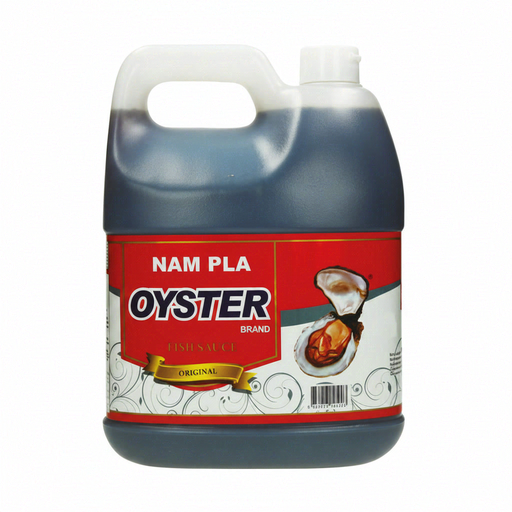
Why it suits this profile: The 4.5-litre pack is aimed at restaurants, catering businesses and households that use large amounts of fish sauce every day.
The large size saves frequent users from having to keep buying small bottles. It’s less practical if you only use fish sauce occasionally.
4.5 litres; made with anchovies, salt and sugar according to the product information; suitable for soups, stir-fries, marinades and dips.
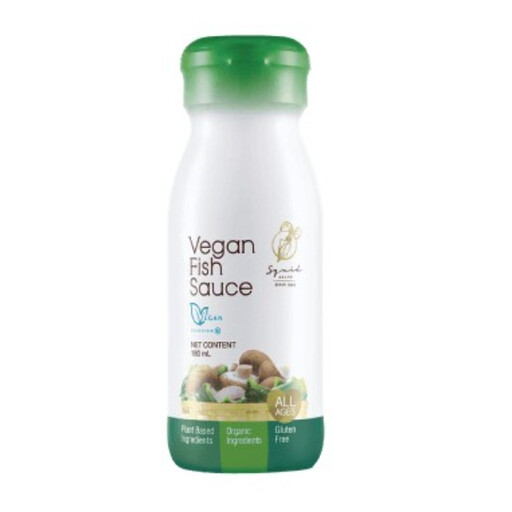
Why it suits this profile: This plant-based variety uses kombu and shiitake extract. It’s designed for anyone looking for the savoury quality of fish sauce without animal ingredients.
The description states that it’s vegan-certified and contains no fish. If you have allergies, always check the current packaging too.
180 ml; made with kombu and shiitake extract; vegan and free from the 14 major EU allergens, according to the product information.
We’ve put together a complete, up-to-date list of products that meet these strict selection criteria and current European safety regulations.
Not exactly. Nam Pla is a Thai term often used for fish sauce. The precise flavour and ingredients vary by brand. Nam Pla Ra usually refers to a more strongly fermented variety. So, check the product name and ingredients list.
Add a small amount while frying or towards the end of cooking. You can combine the fish sauce with lime, sugar, garlic, chilli or soy sauce. As fish sauce is high in salt, it’s better to add more later than to season the dish too heavily from the start.
It depends on the product and its storage instructions. Keep the bottle tightly closed and follow the information on the packaging. Some fermented products should be refrigerated after opening. Don’t use the sauce if the packaging is damaged or if its smell, colour or texture has changed noticeably.
