
Vandaag of morgen in huis

Kwaliteit gegarandeerd

Welkomstaanbiedingen ontgrendelen: GRATIS bezorging | Tot 80% korting | Gratis 30 dagen JoyPlus-proefperiode
Download de app
An azelaic acid serum is often sought by people with oily, blemish-prone or sensitive skin. Product descriptions often promise help with spots, redness, excess sebum, post-acne marks and an uneven complexion. However, not every serum with a similar marketing name is the same. The concentration, additional ingredients and directions for use determine whether a formula fits into your routine.
A product with 10% azelaic acid may seem easy to compare on paper with another product containing the same percentage. However, you should also check the full ingredients list. Some formulas combine azelaic acid with panthenol, hyaluronic acid or Centella Asiatica, while others also contain exfoliating ingredients or niacinamide.
Also pay attention to the difference between pure azelaic acid and similar ingredients, such as Potassium Azeloyl Diglycinate or Azelamide MEA. These are separate ingredients and should not automatically be interpreted as having the same concentration.
A product description may describe a serum as suitable for sensitive skin, but that does not mean everyone can use it without a reaction. Fragrances, alcohol, acids and a high concentration of active ingredients may be less comfortable for some users.
Always check the current packaging as well. According to the SKIN1004 product information, the Azelaic Acid 10 Ampoule does not contain niacinamide and Centella Asiatica, while the ANUA formula does contain niacinamide according to the listed ingredients.
Applying more serum or using it every day straight away does not automatically speed up visible results. The SKIN1004 Madagascar Centella Azelaic Acid 10 Ampoule specifically recommends using a small amount every other day during the first week. According to the product information, a slight tingling sensation may occur during the first use. Persistent irritation is a reason to stop using the product.
If you are specifically looking for a serum for spots, serum for redness or a serum for acne, it is worth comparing the ingredients first. Look out for:
Centella Asiatica is often used in Korean skincare formulas designed to provide a comfortable, hydrated feeling on the skin. This makes a Centella Asiatica serum interesting for users who want light hydration alongside an active ingredient. It is not a reason to automatically consider a product suitable for every sensitive skin type.
A small bottle can be useful for trying out a formula first, but the price per millilitre may be higher. So compare not only the selling price, but also the amount of product:
Generally, apply an azelaic acid serum after cleansing and, if desired, after toner. Use a small amount and finish with a moisturiser. During the day, sunscreen should be part of your routine, especially when using several active ingredients.
Do not simply combine several strong serums in one routine. A vitamin C serum, exfoliant, retinol product or other acid may place additional stress on the skin. Introduce one new product at a time, so you can better assess how your skin reacts.
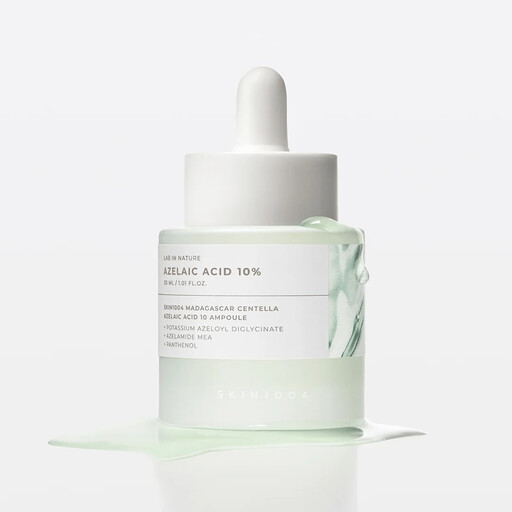
Why it suits this profile: The 9 ml size is a practical way to gradually introduce a formula without immediately buying a larger pack.
The ingredients list lists azelaic acid and additional azelaic acid derivatives separately. This makes it easier to distinguish the formula from a product advertised using only a similar name.
9 ml; according to the ingredients list, contains panthenol, allantoin, Centella Asiatica and sodium hyaluronate.
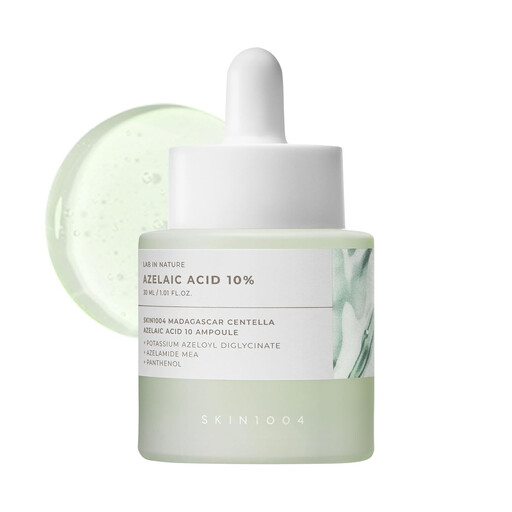
Why it suits this profile: This 30 ml ampoule is ideal for anyone wanting to build a consistent Korean skincare routine around a niacinamide-free formula.
According to the product description, the formula is niacinamide-free. This helps prevent you from accidentally choosing another active ingredient that you specifically want to avoid.
30 ml; according to the product description, 10% azelaic acid, Centella Asiatica and light hydration.
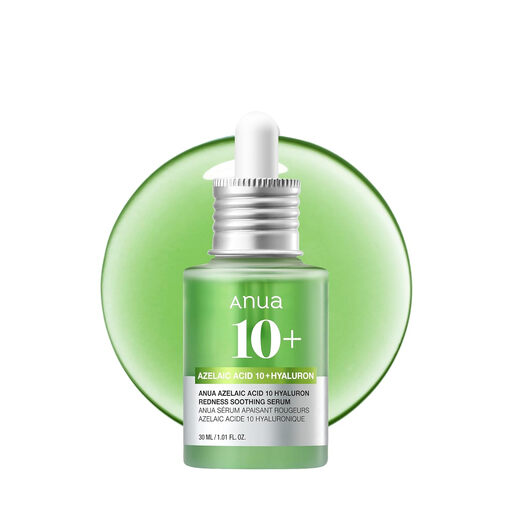
Why it suits this profile: The gradual introduction and combination with hydrating ingredients suit users who want to address several skin concerns at once.
The product information recommends starting with 1–2 drops, once or twice a week. The ingredients list also contains niacinamide and betaine salicylate, so this is not a niacinamide-free serum.
30 ml; according to the ingredients list, contains panthenol, allantoin, Centella Asiatica, hyaluronic acid and ceramide NP.
We have put together a complete, up-to-date list of products that fully meet these strict selection criteria and the applicable European safety regulations.
A serum is a cosmetic product and does not replace medical treatment. If you have severe or persistent acne or other skin concerns, it is advisable to consult your GP or a dermatologist.
It varies from person to person. Using it less frequently, applying a small amount and carrying out a patch test can help you assess your tolerance. Also check the formula for fragrance, niacinamide and other active ingredients.
Some products are designed for daily use, but that does not mean you should start by using them every day. Follow the product instructions and introduce it gradually. Do not use several new active serums at the same time.
This depends on the amount of product and how much you use each time. A 9 ml product will generally last a different length of time when used as needed than a 30 ml bottle. After opening, check the information on the packaging and store the serum according to the brand’s instructions.
