
Vandaag of morgen in huis

Kwaliteit gegarandeerd

Welkomstaanbiedingen ontgrendelen: GRATIS bezorging | Tot 80% korting | Gratis 30 dagen JoyPlus-proefperiode
Download de app
Choosing a new facial cleanser, serum or moisturiser may seem straightforward. Yet a product that sounds appealing on the packaging may not be the best fit for your skin type, routine or expectations. When it comes to skincare, the right choice is not just about natural ingredients, a luxurious appearance or a long ingredients list. It starts with verifiable product information.
Words such as “rejuvenating”, “restorative” or “deep-cleansing” sound appealing, but they do not always reflect what you will experience day to day. Brands may cite certain percentages or visible results based on their own research; treat this information as a brand claim, not a guarantee for every user.
Pay particular attention to specific details:
Natural skincare may suit your preferences, but natural fragrances and essential oils may also be less suitable for some people. Always check the ingredients list, particularly if you have sensitive skin.
A vegan product also means that, according to the product information, no animal-derived ingredients have been used. In itself, this says nothing about the texture, scent or suitability for your individual skin.
An extensive routine with facial serum, toner, oil, exfoliant and several creams is not necessary for everyone. A simple foundation is often more practical:
This makes it easier to assess which product feels comfortable and whether your skin becomes irritated.
For normal skin, a gentle mousse, gel or cream may feel comfortable. With combination skin, many consumers look for a cleanser that feels comfortable on drier areas while still removing excess sebum. A gel or light facial cleansing mousse can be a practical choice.
If you have sensitive or easily reactive skin, it is worth checking for:
Some brands position an acidic cleanser with a pH of around 5.0–6.0 as suitable for the skin’s natural balance. According to Dr. Althea’s product information, this gel cleanser falls within that pH range. It is still important to check the full ingredients list and directions for use.
A good facial cleanser removes dirt, sebum, make-up or sun cream without requiring vigorous rubbing. A facial cleanser is primarily intended for your daily cleansing step. For eye make-up or waterproof make-up, a separate make-up remover or micellar water may be more convenient.
When using micellar water, check the directions for use. According to the product description, NIVEA Rose Care Micellar Water is applied with a cotton pad and does not need to be rinsed off. With an oil or balm, a second cleansing step may be more comfortable.
A facial serum generally contains a concentrated formula and is intended as an addition, not a complete replacement for cleansing or moisturiser. Ideally, choose one based on your main need:
When it comes to claims about wrinkles, elasticity or collagen, note that Freshly Cosmetics cites certain percentages for the Bakuchiol Well-Ageing Serum based on its own research. These results are brand claims and are not a guaranteed outcome for every skin type.
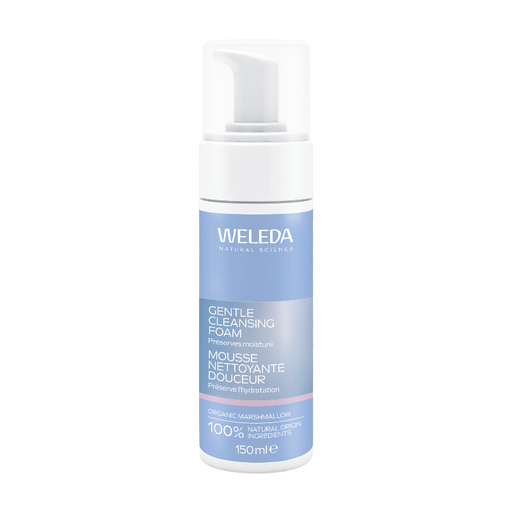
Why it suits this profile: A straightforward daily cleansing step for normal and combination skin, with a size of 150 ml.
The product information clearly states the skin type, natural ingredients and use for make-up and excess sebum.
Mousse texture, 150 ml size and, according to the product description, a NATRUE label.
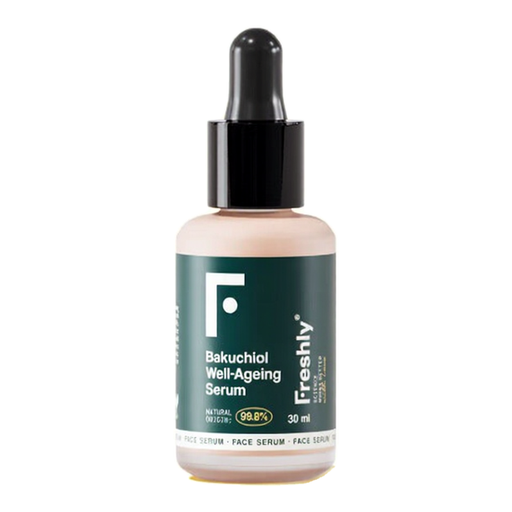
Why it suits this profile: For adults looking for a retinol-free serum with a lightweight texture for morning and evening use.
The product page states that it is 30 ml, retinol-free, dermatologically tested and suitable for sensitive skin. Check the full packaging on receipt.
Bakuchiol formula, glass bottle and use alongside a moisturiser according to the directions.
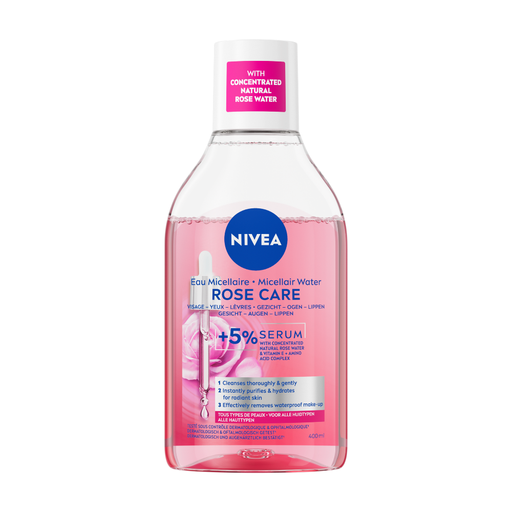
Why it suits this profile: Convenient for anyone who wants to remove make-up, SPF and dirt every day without an extensive oil-and-gel routine.
The product description explicitly mentions waterproof make-up, SPF filters, application with a cotton pad and no mandatory follow-up rinse with water.
400 ml size, micellar technology according to the product information and a vegan formula according to the brand description.
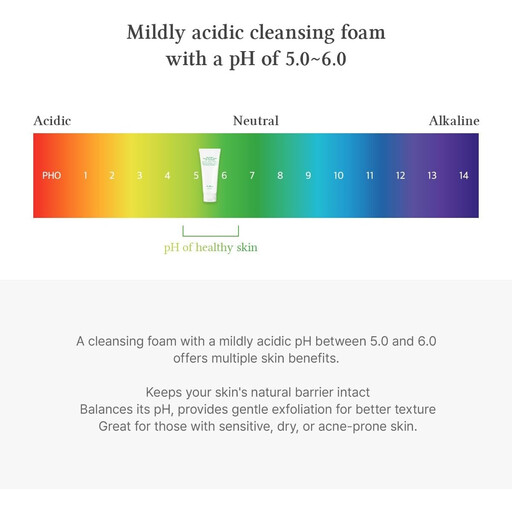
Why it suits this profile: A gel cleanser for users looking for a vegan product with amino acid- and coconut-based cleansers.
The product information states a pH of 5.0–6.0, use without vigorous rubbing and a warning to stop if irritation occurs.
100 ml size, hydrating ingredients such as glycerine and betaine, and a vegan claim according to the product description.
We have put together a complete, up-to-date list of products that fully meet these strict selection criteria and the applicable European safety regulations.
In the evening, start with a facial cleanser or micellar water, depending on how much make-up and SPF you are wearing. Use lukewarm water and massage gently, without applying pressure. If desired, follow with a serum on clean skin. Finish with a moisturiser when your skin feels tight or dry.
Use sun protection during the day according to the label. A tinted moisturiser with SPF can combine colour and skincare, but check the shade, the amount to apply and the instructions for reapplication. SPF in make-up does not automatically replace a complete sun protection routine.
For many adults, cleansing in the evening is sufficient. After exercising or sweating heavily, an additional cleanse may feel refreshing. Dry or sensitive skin may react to washing too often or rubbing too vigorously.
Micellar water is usually applied with a cotton pad and is practical for removing make-up and SPF. A cleansing mousse or cleansing foam is used with water and may be better suited to anyone who likes a fresh, rinsed feeling. The choice depends on your skin, make-up habits and personal preference.
Check the shelf-life information on the packaging. Some products state a period after opening, such as 6M or 12M. Store cosmetics in a cool, dry place, close the packaging securely and stop using the product if its scent, colour or texture changes, or if it causes skin irritation.
