
A small batch for guests
If you want to make a small amount without using a large jug, compare a stick blender with a mini blender. The Dutch Consumers’ Association recommends stick blenders for small batches.


For a small, thick batch of avocado dressing, a stick blender is a natural choice. For a larger or runnier batch, a jug blender is more suitable. A mini blender could be a good middle ground if you want a compact jug for a relatively small, liquid-enough batch. Don’t just look at the wattage: compare the consistency of your recipe, the usable capacity and the cleaning instructions for the exact model, as the Dutch Consumers’ Association advises.
If you want to make a small amount without using a large jug, compare a stick blender with a mini blender. The Dutch Consumers’ Association recommends stick blenders for small batches.
If you want to make enough dressing for several guests in as few batches as possible, compare your recipe quantity with the usable capacity. The Dutch Consumers’ Association discusses larger jugs for making multiple portions.
If you want to minimise the number of parts to clean after making your dressing, check the instructions for each part of the model. Philips and Bosch list dishwasher-safe parts for the models mentioned.
Best for: a small batch you want to blend in a suitable beaker. The Dutch Consumers’ Association recommends stick blenders for small quantities.
Trade-off: the result may be less smooth than with a blender, according to the Dutch Consumers’ Association.
Best for: a compact jug for a relatively small, liquid-enough batch of dressing.
Trade-off: the stated jug capacity isn’t the same as a guaranteed working capacity; you may need extra batches for more guests.
Best for: making several portions at once, provided the recipe is liquid enough to circulate around the jug.
Trade-off: a large jug is less suitable for a very small or thick batch and takes up more space. The Dutch Consumers’ Association says jugs are useful for making multiple portions.
| What to consider | What to look for | Who should pay extra attention? |
|---|---|---|
| Batch size | Compare the quantity in your recipe with the usable fill limit and check whether a suitable beaker is included. | If I want to make enough dressing for my guests in as few batches as possible, I focus on the amount I can make at a time; around 36% of consumers say batch size is their main consideration. |
| Desired texture | Decide whether you want a thick dip or a pourable dressing; the amount of liquid in the recipe and the blending method both matter. Wattage alone won’t predict the result. | If I want a smooth dressing with the right consistency for the dish, I look at the recipe and how liquid it is; around 29% of consumers prioritise their desired texture. |
| Cleaning | Read the instructions for the exact model and compare how many parts you’ll need to clean after use. | After dinner, I don’t want to be left with lots of separate parts to clean; around 21% of consumers say ease of cleaning is most important. |
| Usefulness of extra features | Check whether the programmes and accessories will be useful for recipes you actually make. | If I mainly use the appliance for dressing, I want to choose features and accessories I’ll also use for other dishes; around 14% of consumers focus on the usefulness of extra features. |
A large blender can be awkward to use for a small or thick quantity. Choose an appliance based on the volume of your recipe, and compare stick blenders and mini blenders too.
The Dutch Consumers’ Association points out that power isn’t the only factor that affects blending performance. Consider the quantity, the mixture’s consistency and the usable capacity too; don’t treat wattage comparisons as proof of a better result.
A manufacturer’s guarantee or paid extension isn’t the same as your legal rights if a product is faulty. The Dutch Government says there is no fixed statutory guarantee period in the Netherlands; contact the retailer if something goes wrong.
The MultiQuick MQ50201M is a stick blender worth comparing for small batches.
Philips positions the 3000 Series Mini HR2510/90 as a compact jug blender that can also be used for sauces.
The VitaPower Series 2 MMB2111S is a mini blender with a stated mixing cup capacity of 0.6 l.
The Blend Up BL19H4F0 is a compact blender supplied with 400 ml and 700 ml cups.
These Joybuy product picks are suited to compact food preparation and include stick blenders and blenders. For thick avocado dressing, always check the instructions for the exact model and the quantity in your recipe.
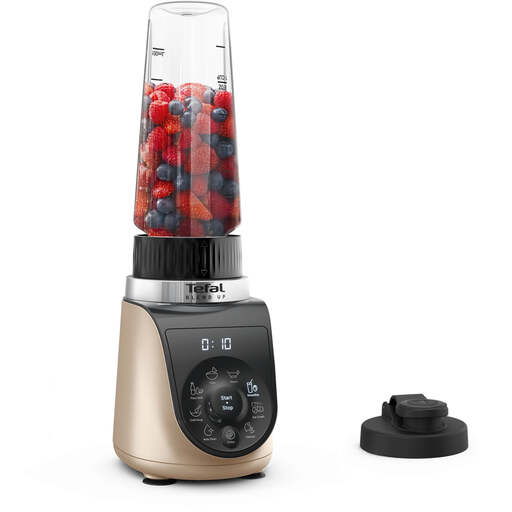 Image unavailable
The product description also mentions sauces; check that this model is suitable for the quantity and consistency of your dressing.
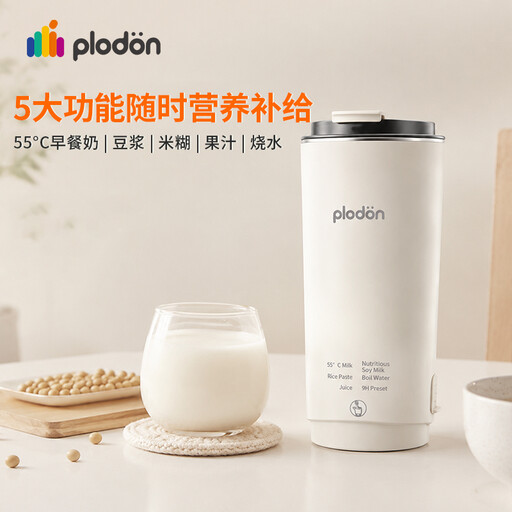 Image unavailable
The 300 ml cup is suitable for a small quantity; check whether the manual allows you to blend cold, thick dressing.
The product information recommends waiting at least 30 minutes between consecutive cycles.
 Image unavailable
A stick blender worth comparing if you want to blend a small batch in a suitable beaker; check which accessories are included with this version.
800 W appears in the product name, but that alone won’t predict how smooth your avocado dressing will be.
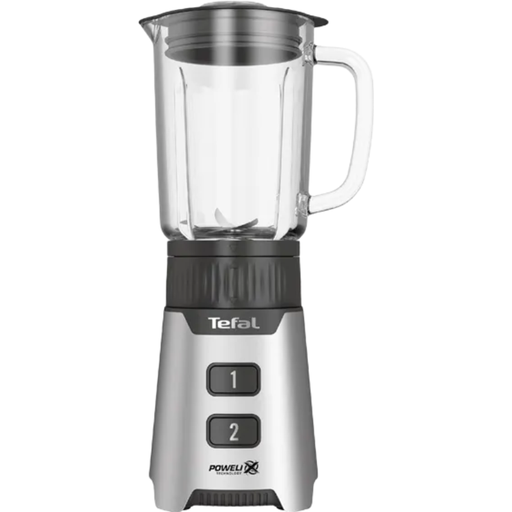 Image unavailable
The product information lists sauces as a suggested use; compare the stated 700 ml capacity with the quantity in your recipe.
400 W is a product specification, not proof of a particular result with thick dressing.
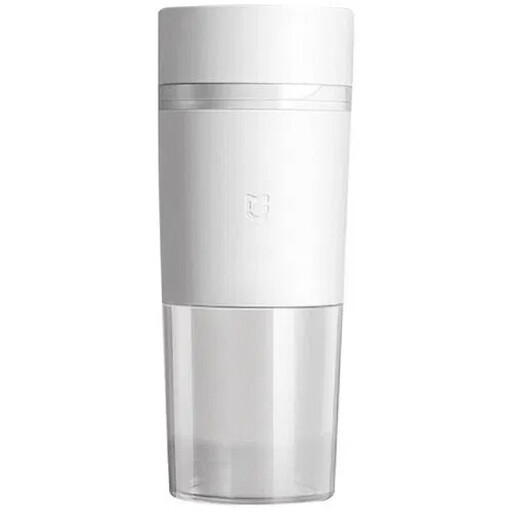 Image unavailable
A portable blender worth comparing for a single portion; check the instructions for blending your chosen quantity and consistency.
Don’t decide on power alone: the Dutch Consumers’ Association recommends thinking about how you’ll use the appliance first, and points out that power isn’t the only factor affecting blending performance. A stick blender may suit a small, thick batch; a jug blender is more likely to suit a larger or runnier quantity.
Don’t assume you can without checking. Bosch and Philips list dishwasher-safe parts for the models mentioned; follow the instructions for your exact appliance and distinguish between removable parts and the motor unit.
Cool prepared leftovers quickly, seal them well and put them in the fridge. The Netherlands Nutrition Centre advises not leaving leftovers out of the fridge for more than two hours and eating chilled leftovers within two days. This is general advice for leftovers, not a specific shelf-life test for every dressing recipe.
Electrical appliances placed on the market by manufacturers must meet the applicable safety requirements. According to Business.gov.nl, the manufacturer affixes the relevant CE marking after a conformity assessment. If a product is faulty, contact the retailer; the Dutch Government says there is no fixed statutory guarantee period in the Netherlands.