
Oolong drinker who wants to control the brewing time
You brew loose-leaf oolong and want to adjust the temperature and steeping time, rather than simply heat water.


Choose a tea maker with an adjustable brewing time if you want the appliance to help control the infusion. With a temperature-controlled kettle and a separate infuser, you decide when to remove the leaves. Severin lists an oolong programme and Sage an automatic oolong setting, while Rommelsbacher specifies a brewing time of up to 10 minutes. Set the temperature according to the instructions for your tea, and check the minimum fill level and how to clean the infuser or basket on either type of appliance.
You brew loose-leaf oolong and want to adjust the temperature and steeping time, rather than simply heat water.
You want to make tea with as little effort as possible and are weighing up a tea programme against removing the basket yourself.
You check the minimum fill level, water gauge and how much effort it takes to clean the appliance after making a small serving.
First, decide whether you want the appliance to help end the infusion or prefer to do it yourself. Then check the temperature settings, minimum fill level and how easy it is to clean.
The table covers consumers considering an electric appliance for an oolong break, with the main buying concern for each consumer at the centre.
| Buying concern | What to look for | Who is this most important to? |
|---|---|---|
| Adjusting the temperature | Check which settings are available and compare them with the instructions for your tea. Tefal’s own recommendation for oolong is 80–90 °C. | When I brew different oolongs, I want to adjust the temperature to suit the instructions for my tea. Around 29% of consumers put suitable temperature settings at the top of their list. |
| Ending the infusion at the right time | Check whether the brewing time is adjustable, whether the leaves are separated afterwards and how this works on the exact model. | If you don’t want to keep an eye on the steeping time, check whether the appliance actually controls the infusion. Around 29% of consumers make control over brewing time their top priority. |
| Making a small serving | Check the minimum fill level and water gauge; the maximum capacity doesn’t tell you how much water you need to use at minimum. Milieu Centraal also advises checking the amount of water needed when heating small quantities. | When making one cup, I don’t want to heat more water than I need, and the fill level needs to suit my serving. Around 21% of consumers are most concerned about whether an appliance is suitable for a small serving. |
| Ease of use and cleaning | Check whether the infuser or basket can be removed, how easy the jug is to access and what cleaning instructions apply. | During a short break, I want as few steps as possible and no awkward parts to clean. Around 21% of consumers put ease of use and cleaning at the top of their list. |
The maximum jug capacity doesn’t tell you the minimum fill level. This means a large kettle may be less convenient for making a small serving during a short break.
Before buying, check the minimum fill level and whether the water gauge is easy to read.
Heating water to a set temperature and ending the infusion are two different functions. A temperature setting alone won’t tell you when the leaves are removed from the water.
Check separately whether the brewing time is adjustable, how the basket works and what happens to the leaves afterwards.
The Joybuy product description for the Rommelsbacher TA 1200 mentions a milk frother, but the manufacturer’s documentation for this model doesn’t confirm that feature.
Before buying, compare the model number, included parts and listed features with the manufacturer’s documentation.
According to Severin, the WK 3473 is a compact 1-litre tea maker and kettle with an oolong programme.
The Element BJ760D combines a 1.7-litre kettle with temperature settings and a removable tea basket.
According to WMF, the KITCHENminis 2in1 Vario combines a 1-litre jug with five temperature settings and a removable infuser.
The Dutch product page for the Tea Maker, model STM800BSS4EEU1, focuses on automated infusion.
According to the manufacturer, the TA 1200 uses a separate filter jug and glass tea jug, with adjustable temperature and brewing time.
This product selection includes kettles for temperature control or heating water, as well as a tea maker with adjustable infusion.
 No image available
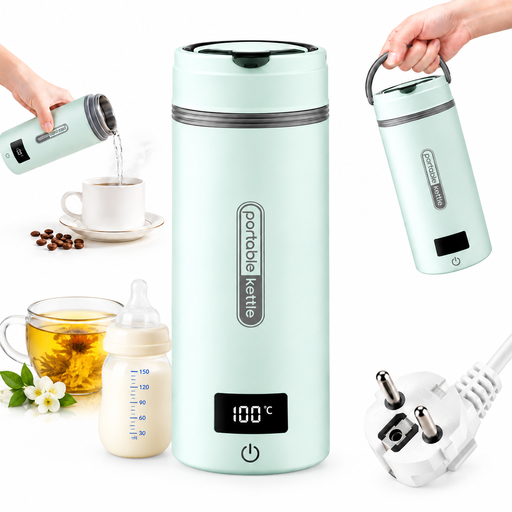
A compact option if you want to heat a small serving and steep the oolong yourself.
400 ml; four temperature settings; temperature display; stainless steel inner reservoir; keep-warm function; EU plug 220–240 V.
Check the minimum fill level and whether a separate infuser suits the way you make tea.
 No image available
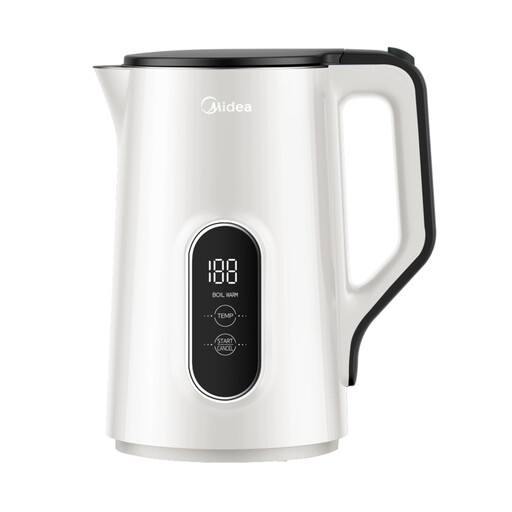
A good choice if you want to set different temperatures as well as heat water.
1.5-litre capacity; temperature control from 45–100 °C; 2200 W; double-walled; digital display.
Check the minimum fill level and decide whether the jug capacity suits how you use it during a short break.
 No image available
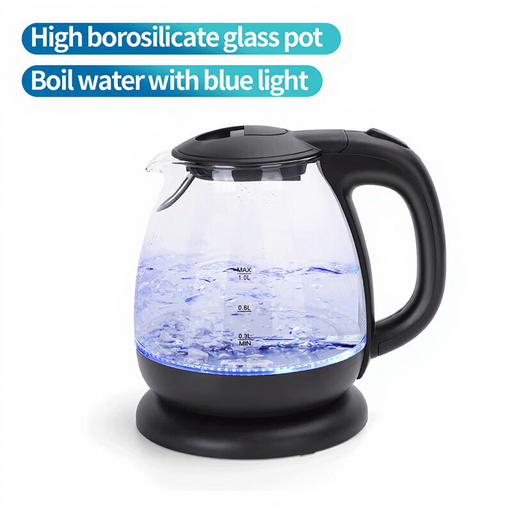
An option if you want to heat water and manage the oolong infusion yourself.
1.0-litre capacity; glass and plastic construction; 2200 W.
The product name doesn’t mention temperature settings; check that the way it heats water suits the instructions for your tea.
 No image available
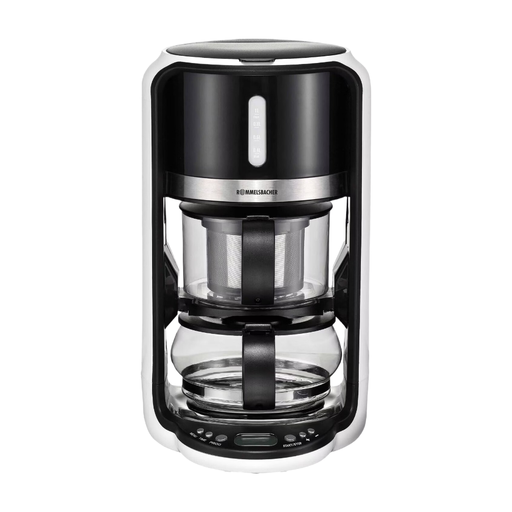
An option if you want to set the steeping time separately, rather than simply heat water.
For model TA 1200, Rommelsbacher lists temperature settings of 80, 85, 90 and 100 °C, and an adjustable brewing time of up to 10 minutes.
The product information warns that the glass body gets hot during and immediately after use; handle it with care.
No, 90 °C isn’t the right temperature for every oolong. Tefal’s general recommendation is 80–90 °C; start with the instructions for your tea leaves and choose an appliance with suitable temperature settings.
Yes, follow the cleaning and descaling instructions for your appliance. Milieu Centraal recommends descaling kettles regularly and notes that a scaled heating element can take longer to heat water.
No, the end of a two-year manufacturer’s guarantee doesn’t automatically mean that your statutory rights have expired. According to ACM ConsuWijzer, statutory guarantee depends on what you could reasonably expect from the product under normal use; contact the seller if it develops a fault too soon.
For electrical equipment covered by the Dutch Electrical Equipment Decree, the Netherlands Food and Consumer Product Safety Authority (NVWA) says CE marking is compulsory. For the Low Voltage Directive, the NVWA specifies a range of 50–1000 V AC; whether the rules apply and are met must be established for the specific appliance.