
Vandaag of morgen in huis

Kwaliteit gegarandeerd

Welkomstaanbiedingen ontgrendelen: GRATIS bezorging | Tot 80% korting | Gratis 30 dagen JoyPlus-proefperiode
Download de app
As a Product Recommendation Officer at Joybuy, I see cat owners every day searching for a solution to a persistent chore: cleaning the litter box. An automatic litter box seems like the perfect answer. Yet, a hasty purchase often leads to disappointment. Marketing promises and reality can be worlds apart. This guide will help you recognize the pitfalls and choose a model that truly delivers on convenience and hygiene.
Before you invest in a litter box robot, it's crucial to know what can go wrong. Many models on the market have design flaws that only become apparent after a few weeks of use.
anti-odor litter box is a common request. However, a self-cleaning model is not inherently an odorless litter box. If the waste compartment isn't properly sealed or is too small, unpleasant odors will still spread through your home. The effectiveness of odor control hinges entirely on the design of the waste storage.To avoid the pitfalls above, focus on a few concrete specifications. These determine whether an automatic litter box is worth the investment.
There are two main systems:
self-cleaning litter box.Capacity is crucial, especially for a litter box for multiple cats. Don't just look at the overall dimensions, but specifically at the volume of the waste bin. A large litter box with a small waste drawer means you'll still be emptying it every few days. A model with a waste capacity of 10 liters or more can last up to two weeks for a single cat without needing to be emptied.
A reliable model has multiple sensors. Weight sensors in the base detect if a cat is inside the box, while infrared or motion sensors monitor the entrance. This combination prevents the cleaning cycle from starting accidentally. For tech enthusiasts, a smart litter box with app offers additional benefits. It allows you to manage cleaning cycles, receive notifications when the waste bin is full, and sometimes even monitor your cat's weight and bathroom habits.
Based on objective specifications that address the aforementioned pitfalls, we have selected a few models that suit different needs.
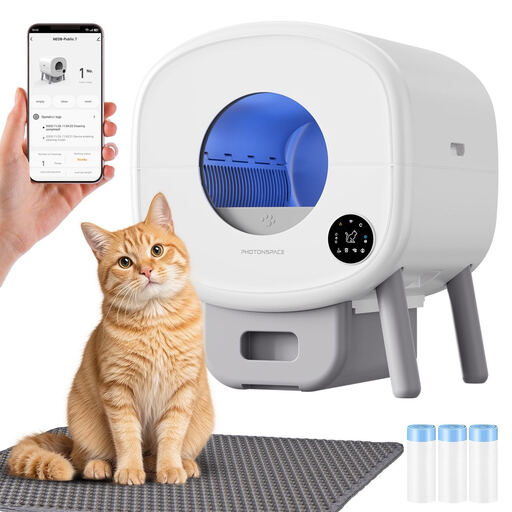
Why This Fits Their Persona: This model is designed for busy, multi-cat households. The massive capacity of the drum (95L) and the waste bin (15L) significantly reduces how often it needs emptying, which is essential for more than one cat.
Tackles the 'empty odor-free promise' pitfall with a large, sealed 15-liter waste bin. The smart safety sensors ensure the cycle only starts after the cat has safely left, minimizing safety risks.
XXL Capacity: According to the manufacturer, the waste bin can last up to 15 days for a single cat. Quiet Operation: With a noise level of ≤35 dB, the device is barely audible.
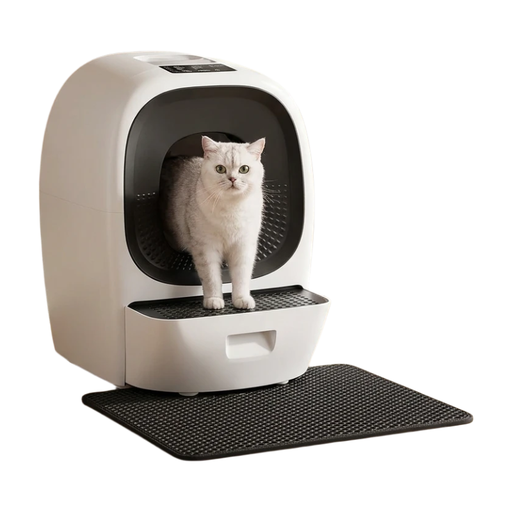
Why This Fits Their Persona: For those seeking ultimate convenience and who love smart technology. This model not only cleans but, according to the manufacturer, also automatically refills the cat litter. The 5G-compatible app offers full control and insights into your cat's health.
Addresses the 'self-cleaning isn't maintenance-free' pitfall with its unique automatic refill function. The comprehensive system with 6 safety sensors (infrared, weight) provides a robust solution to the safety pitfall.
Automatic Refill System: Automatically replenishes the cat litter when the level is too low. Health Monitoring via App: Track your cat's weight and bathroom habits for early detection of health issues.
We have compiled a complete, up-to-date list of products that fully meet these strict selection criteria and safety standards.
This depends heavily on the capacity of the waste bin and the number of cats using it. For a model with a 10-15 liter drawer and one cat, you can expect to empty it every 10 to 15 days. With two cats, this becomes about once a week. Most smart models will send a notification to your phone when it's time.
Most automatic litter boxes require good-quality clumping cat litter. This ensures that urine immediately forms solid clumps that the mechanism (rake or sifter) can easily remove. Non-clumping litter, large pellets, or crystals are usually not suitable. Always check the manufacturer's recommendations.
Patience is key.
