
Vandaag of morgen in huis

Kwaliteit gegarandeerd

Welkomstaanbiedingen ontgrendelen: GRATIS bezorging | Tot 80% korting | Gratis 30 dagen JoyPlus-proefperiode
Download de app
An automatic litter box can put an end to daily scooping and the odors that come with it. The promise is an always-clean box for your cat and more convenience for you. But the market is flooded with models touting smart features and futuristic designs. How do you know which investment is worthwhile and which you should skip?
As a Joybuy Product Recommendation Officer, I'll help you see through the marketing jargon. We'll focus on the practical aspects that make the difference between daily convenience and a costly mistake. Let's look at the three most common pitfalls.
To avoid these pitfalls, it's helpful to check a few key specifications. These determine whether a model is truly practical for your situation.
Pay attention to two different capacities: the interior space for the cat and the volume of the waste bin where clumps are collected.
Most automatic litter boxes work with a rotating drum that separates clean litter from clumps, or with a rake that moves through the box. Both systems are almost always dependent on strong clumping cat litter. Non-clumping litter or pellets that are too large can jam the mechanism. So, always check which type of litter the manufacturer recommends.
A good odor-control litter box is essential. Manufacturers use various methods:
A combination of a sealed compartment and a filter typically offers a solid solution for most households.
Not everyone has the same needs. Below are a few options highlighted, linked to specific desires and situations.
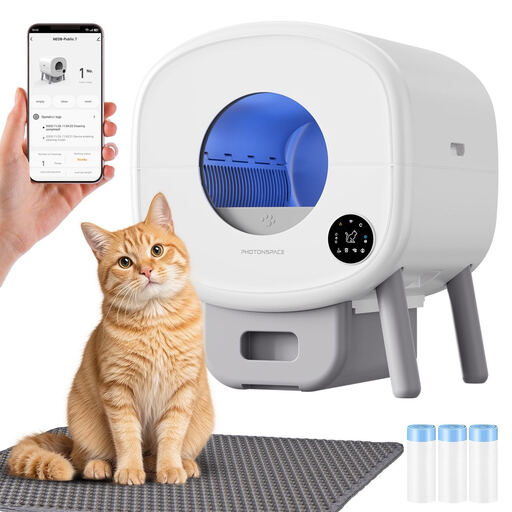
Why This Fits Their Persona: With a 95-liter drum and a 15-liter waste bin, this model is built for heavy use. It significantly reduces how often you need to empty it, which is ideal for busy owners with multiple cats.
This model tackles the "hidden effort" pitfall. Its extra-large capacity means you can be hands-free for up to 15 days, truly delivering on the promise of convenience.
Extra-large capacity for both the cat and the waste. According to the manufacturer, its noise level is low (≤35 dB), which is pleasant in a quiet home.
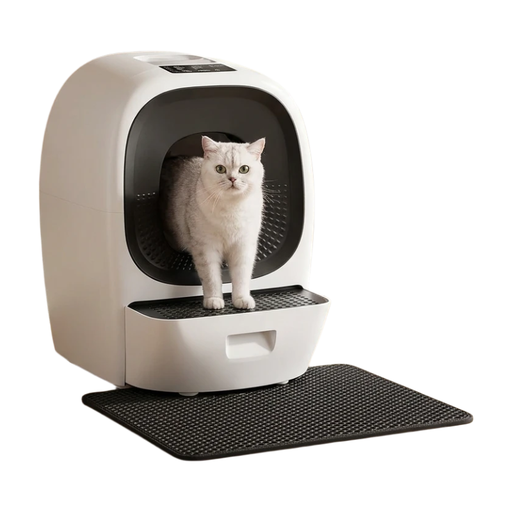
Why This Fits Their Persona: This model goes beyond just self-cleaning. It automatically refills the litter from a reservoir. For those who want to automate the entire process and manage it via an app, this is a fitting choice.
While many "smart" features are gimmicks, the automatic refill function addresses a real pain point: refilling the litter. This makes its advanced technology practical and functional.
Automatic litter refill system. According to the manufacturer, the app allows you to monitor your cat's health and supports both 2.4G and 5G Wi-Fi.
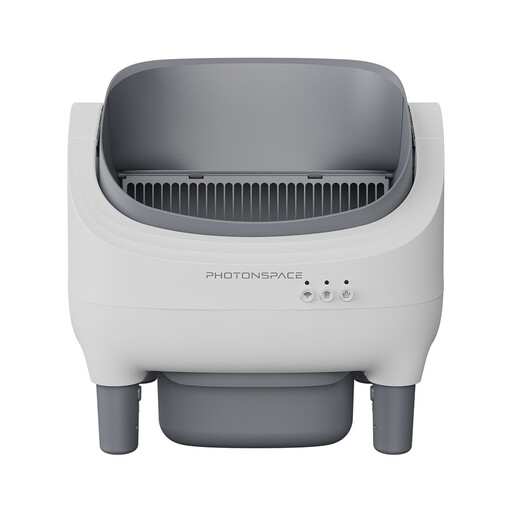
Why This Fits Their Persona: Some cats dislike fully enclosed spaces. This model's open-top design feels less confining and gives the cat a sense of control, which can ease adoption.
This model avoids the pitfall of impractical design by prioritizing the cat's comfort. A cat that won't use the box renders every "smart" feature useless.
Open-top design for better accessibility and less stress. The removable and washable inner liner simplifies deep cleaning.
An automatic litter box is a personal choice. If the models above aren't exactly what you're looking for, explore our full collection.
This varies by cat. Some cats will hop right in, while others need a few days to a few weeks. Here are some tips to ease the transition:
Besides the purchase price, you should account for:
This depends entirely on your lifestyle and priorities. For people with busy schedules, physical limitations, or a strong aversion to scooping and odors, the convenience can be a significant improvement in quality of life. It's a trade-off between a higher initial investment and the daily convenience and hygiene it provides.
