
Vandaag of morgen in huis

Kwaliteit gegarandeerd
Download de app
Categorieën

An automatic litter box is a top consideration for many cat owners seeking greater convenience and hygiene. The promise of no more daily scooping is appealing, but the investment is significant. You want to be certain the product is a perfect fit for your cat, your home, and your expectations. A poor purchase is a waste of money and a source of frustration.
This guide will help you make an informed decision. We will cover the key parameters to consider and highlight several product options based on their specifications.
Before you purchase a self-cleaning litter box, it's wise to review a few objective criteria. These factors will determine whether a model is suitable for your specific situation.
Below is a selection of products that meet the needs of cat owners looking for hygiene and convenience. These recommendations are based on product specifications and features.
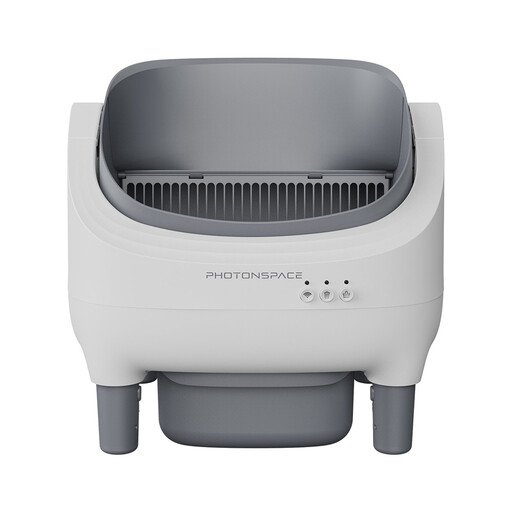
Why this product?
The Photonspace litter box combines an open-top design with smart sensors and app management. The open design can be a benefit for cats that dislike enclosed spaces, as it allows them to keep an eye on their surroundings. The cleaning cycle starts automatically after the cat has left the box, with built-in sensors ensuring safety.
The companion app (requires a 2.4 GHz Wi-Fi connection) provides usage insights and sends notifications. The waste drawer has a 15-litre capacity, which the manufacturer states is sufficient for one to two weeks for a single cat. The drum and inner lining are removable and washable, simplifying deep cleaning.
Pros
Who is this for?
This model is suitable for owners with cats weighing between 1.5 kg and 10 kg. It is a particularly compelling option for households where convenience, technology, and hygiene are priorities. The open design makes it worth considering for owners of cats that avoid traditional, covered litter boxes.
View the Photonspace Self-Cleaning Cat Litter Box on Joybuy.nl
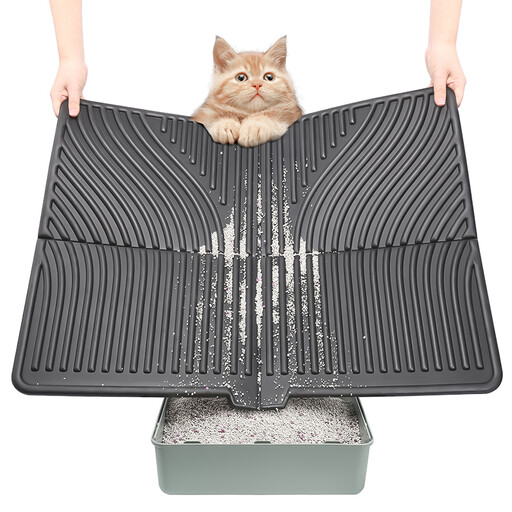
Why this product?
A common problem, even with automatic litter boxes, is litter tracking. The Blinkit 0152-1 is a litter trapping mat designed to tackle this issue. Measuring 77 x 60 cm, the mat provides a large catchment area around the litter box.
The product is made of EVA material, which is soft on your cat's paws. The mat's texture is designed to trap litter granules from paws. The collected litter can easily be poured back into the litter box, which reduces waste. The underside features a non-slip design, and the material is waterproof.
Pros
Who is this for?
This litter mat is a useful addition for any cat owner dealing with stray litter. It is a practical and simple solution for keeping the area around the litter box cleaner, regardless of whether you use a traditional or an automatic litter box.
View the Blinkit 0152-1 Litter Mat on Joybuy.nl
Is litter tracking your primary concern, or are you looking for a different size or type of mat? A good litter trapping mat can make a huge difference in your daily cleaning routine. Various materials and sizes are available to suit different interiors and litter boxes.
Explore our full range of Cat Litter Mats for more options.
1. How does a self-cleaning litter box work, exactly? Most models detect when a cat has used the box and wait for a set time before starting the cleaning cycle. A mechanism (often a rake or a rotating drum) then sifts the clumps from the clean litter and deposits them into a sealed waste compartment.
2. Will every cat accept an electric litter box? Not every cat will switch over immediately. Some cats need time to get used to the new device, especially the sound and movement. It is recommended to leave the old litter box nearby and initially keep the new one turned off, allowing the cat to acclimate to it as a normal box. The open design of models like the Photonspace can facilitate easier acceptance.
3. What type of cat litter is suitable for an automatic litter box? Clumping cat litter is essential for proper operation. Clay or bentonite-based litters that form hard, compact clumps generally work best. Non-clumping litter, crystals, or paper- or wood-based litters are not recommended for most automatic systems, as the sifting mechanism cannot separate them effectively. Always check the manufacturer's recommendations.