What should you look for when choosing?
First work out whether the room is your biggest challenge. Then choose between a dynamic or condenser microphone and check that the connection is compatible with your recording equipment.
| Consideration |
What should you check? |
Who is this for? |
| Reverberation and background noise |
Make a test recording in the intended location; check the polar pattern, available space for positioning and whether you need a pop filter. |
If I’m recording in a rehearsal room, I want to get reverberation and background noise under control first. Around 33% of shoppers say this is their first purchase priority. |
| Vocal detail and consistent sound |
Record quiet and loud passages and compare them using the same listening setup; pay attention to room sound and changes in microphone distance. |
If the sound of my voice is my audiobook’s priority, I want to hear how it comes across in different passages. Around 27% of shoppers list this as their top priority. |
| Connection |
Check whether the exact version offers USB, XLR or both, and whether you already have a compatible interface or mixer for XLR. |
If I want to record directly to my computer or use my existing equipment, the connection needs to suit my setup. Around 20% of shoppers start with this choice. |
| Monitoring while recording |
Check whether direct monitoring is possible and whether you can monitor the level on the microphone or in your recording software; features may vary by output. |
When recording long chapters, I want to be able to listen as I record and spot peaks before carrying on. Around 20% of shoppers prioritise this kind of monitoring. |
Joybuy products
This selection of Joybuy products includes microphones for computer and voice recording, including USB, wireless and clip-on models. Check whether each model’s form and connection suit a dedicated space for recording chapters.
 No image available
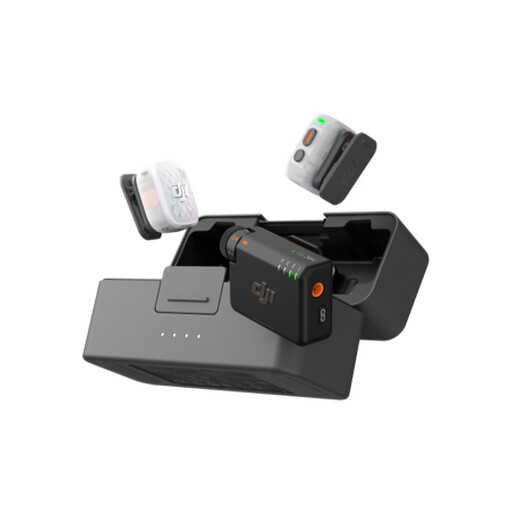
DJI Mic Mini 2S, 2 TX + 1 RX with charging case
This wireless set could suit you if you also want to record on the go; for a dedicated narration space, check that the portable setup works for the way you record.
The product information mentions recording with a computer and internal recording.
Joybuy
 No image available
USB condenser microphone with cardioid pattern
This could be a good option if you want to record directly over USB and your rehearsal room is quiet enough; a condenser microphone will also pick up the sound of the room.
The product information lists a headphone output, gain control, and a boom arm stand and pop filter included. Check what comes with the exact version.
Joybuy
 No image available
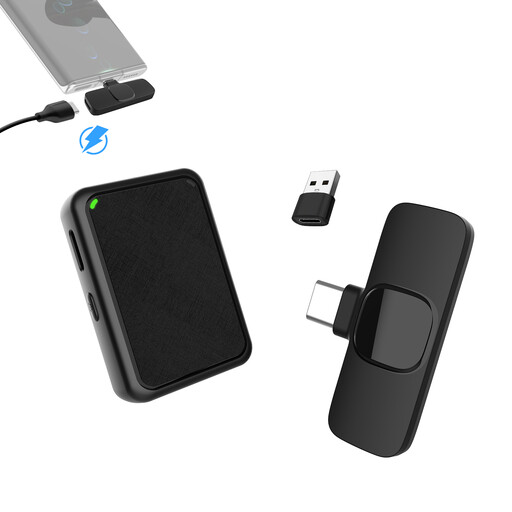
Moman MB1C clip-on microphone for iPhone 18/17/16, 1TX+1RX, USB-C
A clip-on model is most relevant if you want to record on the go; check that the connection is compatible with the device you’ll use to record your chapters.
The product name lists a set with one transmitter and one receiver, including a USB-C receiver.
Joybuy
 No image available
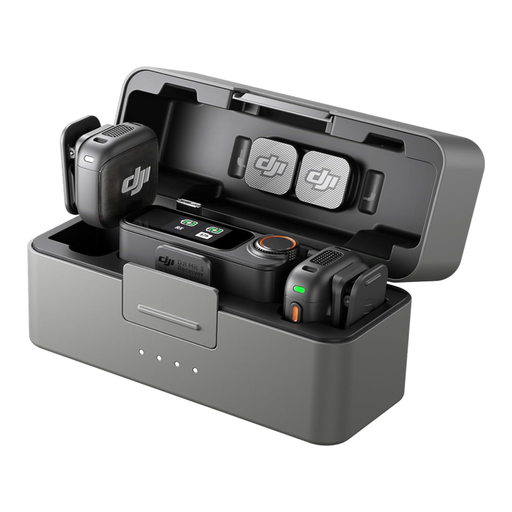
DJI Mic 3, 2 TX + 1 RX with charging case
This wireless set could suit a flexible recording setup; check that the receiver and connection you need are compatible with your computer.
The product information mentions use with computers and recording.
Joybuy
 No image available
Razer Seiren V3 Mini Quartz USB microphone
This USB microphone could suit a compact desktop setup for voice recording; check that the USB model is compatible with your computer and recording software.
The product name lists a tap-to-mute feature.
Joybuy
Frequently asked questions
What should you do first if the rehearsal room is reverberant?
Record a short passage and a few seconds of silence in the place you plan to use. First, find a quieter spot and reduce reflections; a directional microphone positioned close can help, but it can’t replace a suitable room.
How can you stop a chapter from clipping?
Monitor the recording and check the loudest passages on the level meter during a test. Lower the input level if the peaks are clipping, then check a section afterwards before moving on to a full chapter.
Do you need extra equipment for an XLR microphone?
To record on a computer, connect an XLR microphone through a compatible audio interface or mixer. Also check which cables and accessories are included with the version; a USB microphone can connect directly to a compatible computer.
What cancellation period and guarantee apply to an online purchase in the Netherlands?
For a consumer purchase made at a distance, you generally have a statutory cancellation period of up to 14 days after delivery, with some exceptions. ACM ConsuWijzer also distinguishes between the cancellation period and the statutory guarantee: if a product doesn’t do what you could reasonably expect under normal use, the seller must put things right. Check the applicable terms and who the seller is.
Can you distribute someone else’s book as an audiobook?
Not without permission. According to the Dutch government, you may only use copyright-protected books with the creator’s permission; you may not distribute or make public a copy made for personal use. Arrange the necessary rights before publishing a recording of someone else’s protected text.


