What should you look for?
Shure explains that a microphone won’t automatically separate direct speech from reflected sound. So let the microphone position and the recording setup you want guide your choice.
| What to consider |
What should you look for? |
Who is this important for? |
| Keeping speech clear |
Can you position the microphone close to where you’re speaking? Listen to a test recording made from the intended position. |
I want my voice to remain clear in a reverberant room; around 36% of consumers prioritise intelligible speech despite room reverberation. |
| Connecting a separate microphone |
Compare the microphone’s plug and power requirements with the input on the exact recorder model. |
If the recorder needs to be further away, I want to position a microphone closer to my mouth; around 29% of consumers prioritise this option. |
| Simple, portable recording |
Check that you can place the recorder securely where you’ll be speaking and that it has enough storage for your recordings. |
I want to record in different locations without a complicated setup; around 21% of consumers prioritise simple, portable recording. |
| Recording sources separately |
Decide whether you really want to record several sources separately, and which microphones you’ll need. |
If I want to assess my voice and the room sound separately, extra inputs and tracks are relevant; around 14% of consumers prioritise recording sources separately. |
Joybuy products
Joybuy picks for portable speech recording. Check that each model offers the microphone options you need; a recorder alone won’t solve room reverberation.
 No image available
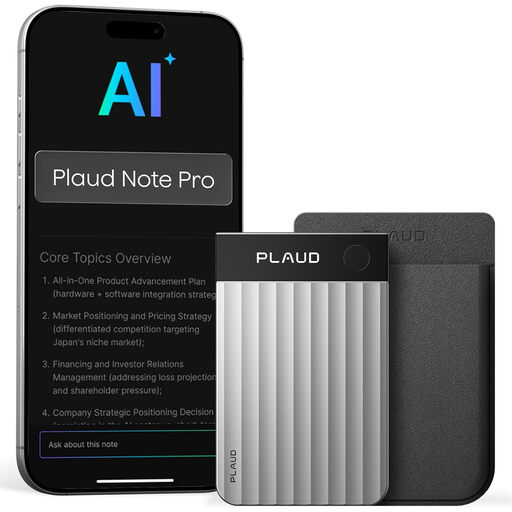
PLAUD Note Pro voice recorder (Silver)
The product name mentions note-taking and summary features. Check that the microphone setup is suitable for recording in your room. The recorder itself won’t eliminate room reverberation.
View at Joybuy
 No image available
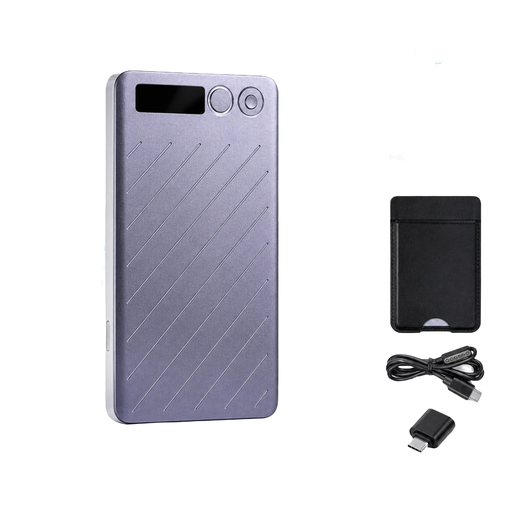
64 GB digital voice recorder with transcription function
The product name mentions 64 GB of storage and a transcription function. Check that you can position the microphone where you plan to speak; the recorder itself won’t remove room reflections.
View at Joybuy
 No image available
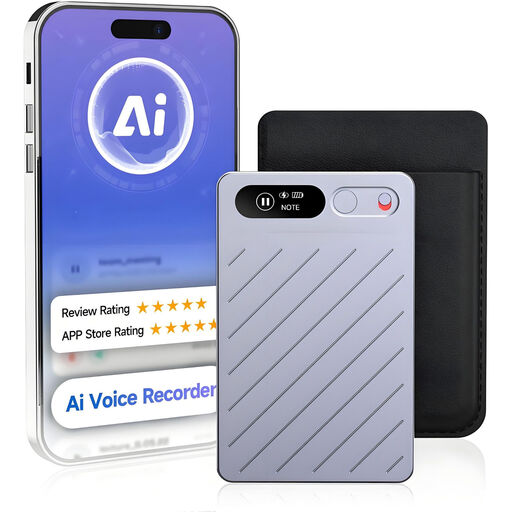
64 GB mini voice recorder with transcription and summary features
The product name mentions 64 GB of storage and transcription and summary features. Assess the recording where you’ll be making the audio description; the recorder alone won’t solve reverberation.
View at Joybuy
 No image available
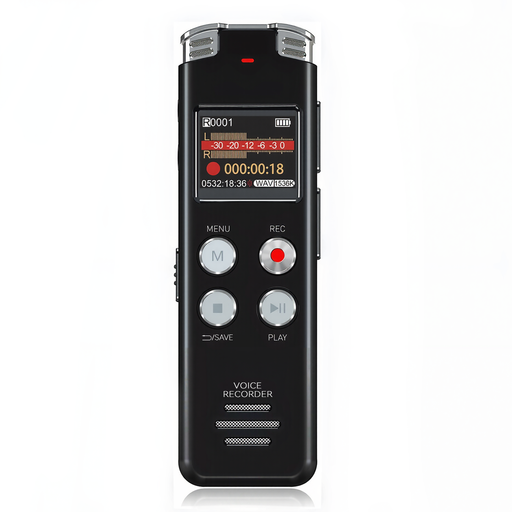
Rexsun L357 digital voice recorder, 128 GB
The product name mentions 128 GB of storage. Make a short recording and listen back to see how the microphone captures your voice and the reverberation in your room.
View at Joybuy
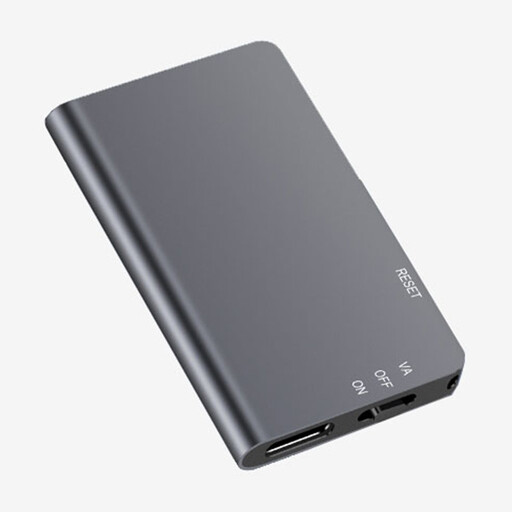 No image available
Rexsun L810 digital voice recorder, 64 GB
The product name mentions 64 GB of storage. Before making a full recording, check that your chosen microphone position captures your voice clearly enough; the recorder itself won’t remove room reverberation.
View at Joybuy
Frequently asked questions
Will room reverberation disappear if I buy a recorder with 32-bit float?
No. 32-bit float recording doesn’t change the fact that a microphone can pick up both direct speech and reflections. Try moving the microphone first and listen to a test recording.
How should I start recording in a new location?
Make a short test recording from the intended microphone position and listen back before recording the full audio description. The OM SYSTEM LS-P5 manual recommends making test recordings before capturing anything important.
What should I check if I want to use a different microphone later?
Check the connection and power requirements for the exact model. According to Roland, the R-07 doesn’t support TRRS microphones; a microphone requiring 48 V phantom power needs an external power solution.
What are my cancellation rights and warranty when buying online in the Netherlands?
For online consumer purchases, you generally have a statutory cancellation period of up to 14 days after delivery, subject to exceptions, according to ACM ConsuWijzer. The Dutch government states that there is no fixed statutory warranty period; if a product is faulty, you can hold the seller responsible for supplying a product that works properly.
Can I publish recordings of other people’s recognisable voices?
Don’t assume that you can publish a recognisable voice online without permission. The Dutch Data Protection Authority states that publishing other people’s personal data online usually requires consent, with a limited exception for use that is solely personal or domestic. Whether that exception applies depends on the circumstances.


