Start with a setup that keeps the microphone close to the speaker; a different recorder won’t remove the room’s reverberation. A portable recorder with a lavalier microphone suits a presenter on the move, while a handheld recorder can work for standalone recordings. External inputs give you the option of connecting multiple microphones. Also check the connection you need, storage and how you’ll sync the audio with your video.
Who is this choice relevant to?
Solo presenter in a reverberant room
You want to record your voice up close, even though the room has an audible echo. Shure and De Videomakers highlight how important microphone distance and positioning are. So start with placement, not a higher recording bit depth.
Demonstrator who moves around on camera
You want to keep talking without the distance to the microphone changing significantly. A wearable microphone with a recorder or recording function in the transmitter could work well, as described for the Tascam DR-10L Pro and RØDE Wireless PRO.
Creator recording multiple voices
You want to connect microphones for different speakers and manage their audio separately during editing. According to Zoom, the Zoom H4essential has two XLR/TRS inputs and four recording tracks.
What should you look for when buying?
First, work out how you’ll keep the microphone close to the speaker’s voice while they’re talking. Then consider how many microphones you need, and check that the storage and editing setup fit the way you work.
| What to consider |
What should you check? |
Who is this important for? |
| Clarity in a reverberant room |
Can you position the microphone close to your voice? Listen to a test recording where you plan to record. |
If the room has an audible echo, I want to record my voice as close as possible and listen to the result on location. Around 36% of consumers say clarity in a reverberant room is their top priority. |
| Freedom of movement |
Compare a wired lavalier microphone with a wireless transmitter that records audio; also make a test recording while moving around. |
When I move during a product demonstration, I want the microphone to stay close to my voice. Around 29% of consumers put freedom of movement first. |
| Multiple voices |
Check how many microphones you want to connect at once and whether the input type is suitable. |
For a demonstration with multiple speakers, I want to record their voices using suitable microphones. Around 21% of consumers prioritise recording multiple voices separately. |
| Storage and editing |
Check which storage medium you need and how you’ll transfer the files into your editing workflow. |
Before I start filming, I want to know that I can record and use the files in my edit. Around 14% of consumers put storage and editing first. |
Buying pitfalls
-
Thinking a higher bit depth will solve room reverberation
A recording function can help capture audio levels, but it won’t change the balance between direct and reflected speech. Shure explains that a microphone cannot improve a room’s acoustics.
First, test a microphone position close to the speaker in the room where you plan to record.
-
Placing a handheld recorder far away from the demonstrator
At a greater distance, the room’s reverberation can become more prominent in the speech recording.
Check whether the recorder accepts a suitable external microphone, then compare a test recording made up close with one made from the planned camera position.
This setup may require a suitable external microphone and cable.
-
Waiting until filming day to check storage and editing
According to its manual, the Zoom H1essential cannot record or play back without a microSD card inserted. For internal recordings made with the RØDE Wireless PRO, you’ll need to transfer the files to your editing setup.
Check your storage in advance, make a short test recording and try the file in your editing workflow.
You’ll need to have a suitable microSD card ready for the H1essential.
Brands to consider
Tascam
Tascam describes the DR-10L Pro as a portable recorder with a lavalier microphone for video. The DR-05XP is a handheld model with built-in stereo microphones.
- The DR-10L Pro could suit you if you move while speaking and want to wear the microphone.
- A wired, wearable setup requires a cable; with built-in microphones, distance from the speaker remains important in a reverberant room.
Zoom
The Zoom H1essential combines built-in microphones with a 3.5mm microphone/line input. The H4essential also has two XLR/TRS inputs.
- Depending on the model, the inputs give you the option of using an external microphone or connecting several microphones.
- According to its manual, the H1essential cannot record or play back without a microSD card. Inputs alone won’t reduce reverberation.
RØDE
RØDE positions the Wireless PRO as a wireless microphone system with lavalier microphones and internal recording in the transmitters.
- Recording on the transmitter could be useful if you want a separate recording as well as the wireless connection.
- According to the RØDE manual, 32-bit float applies to internal transmitter recordings, not automatically to audio recorded on the camera.
OM SYSTEM
According to the Dutch product information, the OM SYSTEM LS-P5 is a compact standalone recorder with built-in memory.
- Built-in memory gives you a different storage option from a recorder that needs a microSD card.
- In a reverberant room, it’s still important to position the built-in microphones well in relation to the speaker.
Joybuy products
This selection includes wireless lavalier microphones and portable recorders for product demonstrations. Check that each model’s connection, microphone count and recording workflow are suitable for your equipment.
 No image available
DJI Mic Mini 2S (2 TX + 1 RX + Charging Case)
Could suit a product demonstration with two speakers who each need a transmitter.
The product description mentions internal recording; check how you can use those files in your edit.
View on Joybuy
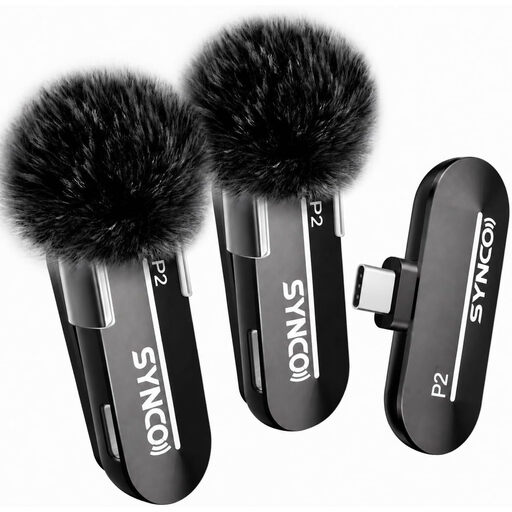 No image available
SYNCO P2XT USB-C Wireless Microphone
This lavalier setup could suit you if you want to wear the microphone close to a speaker who moves around.
It has a USB-C connection. According to the product information, OTG must be enabled for use with an Android phone.
View on Joybuy
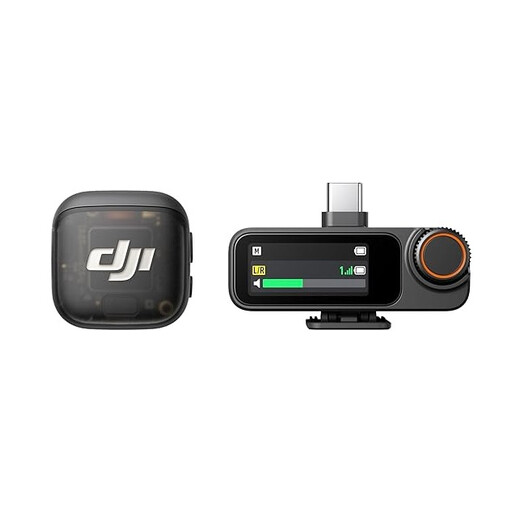 No image available
DJI Mic 3 (1 TX + 1 RX)
Could suit a solo presenter who wears the transmitter while moving during a product demonstration.
The product description mentions internal recording; check how to transfer the files to your editing setup.
View on Joybuy
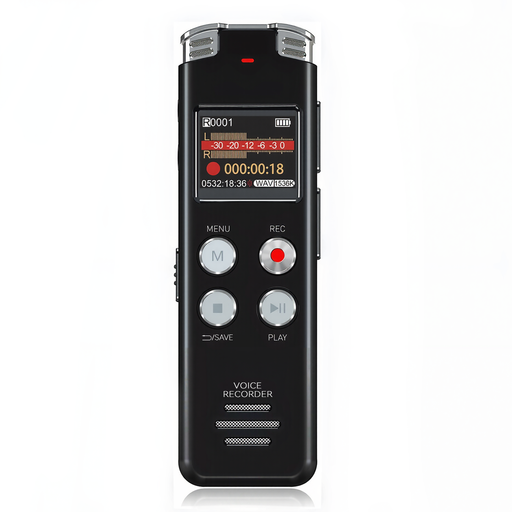 No image available
Rexsun L357 128GB Portable Digital Voice Recorder
A portable voice recorder could work for standalone speech recordings. In a reverberant room, keep the microphone close to the speaker.
The product name lists 128GB of storage.
View on Joybuy
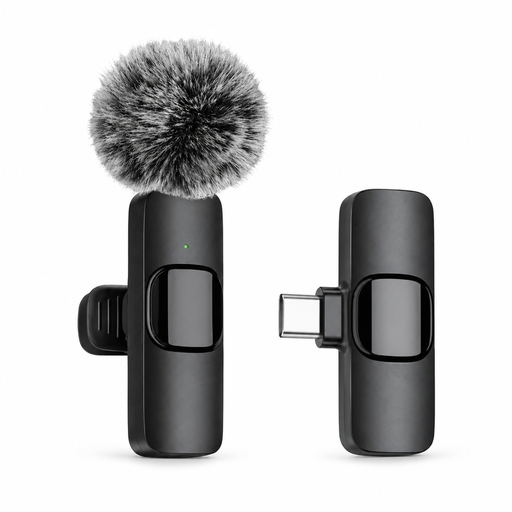 No image available
Verbex K9-Black Wireless Mini Microphone
Could suit a speaker on the move who wants to use a wireless clip-on microphone.
The product name lists a Type-C connection and use for recording, interviews and livestreams.
View on Joybuy
Frequently asked questions
Will 32-bit float remove the reverberation from my product demonstration?
No, 32-bit float won’t remove room reverberation. Shure explains that a microphone cannot effectively separate direct speech from reflected speech or improve the room’s acoustics. Start by considering the microphone’s distance and position.
What should I prepare before recording with a Zoom H1essential?
Insert a microSD card: according to Zoom, recording and playback aren’t possible without one. Also check that your chosen lavalier microphone is compatible with the 3.5mm microphone/line input and your recording setup.
What can I do if my recorder is faulty in the Netherlands?
Contact the seller to discuss a solution. The Dutch Government explains that there is no fixed statutory guarantee period covering all products in the Netherlands; what you can expect depends, among other things, on the product and the information provided. A manufacturer’s guarantee does not replace your statutory rights.
Can I record and publish other identifiable people in a business product video?
According to the Dutch Data Protection Authority, the GDPR applies when filming and publishing identifiable people for professional or commercial purposes, and you need a lawful basis under the GDPR. The rules that apply in your situation depend on who can be identified and how you use the footage.


