
Speaker with a quiet voice
You want to check that quiet words remain clear in both languages. Microphone position and the room you’re practising in are important factors.


For a bilingual speech with quiet passages, a clear test recording in the room where you’ll be practising matters more than a long list of recording features. A voice recorder with repeat functions may suit practising individual sentences; a field recorder offers more recording and microphone options, but may require extra attention to settings and storage. Record a short passage from the spot you plan to use, then listen back to both languages.
You want to check that quiet words remain clear in both languages. Microphone position and the room you’re practising in are important factors.
You practise pronunciation, pauses and switching between languages by replaying short passages or adjusting the playback speed.
You want to capture a rehearsal without much preparation and be able to save or share the files later.
Start with a test recording in the place where you’ll be practising. Then choose the playback features, storage and connections that suit the way you rehearse.
| What to consider | What should you look for? | Who is this important for? |
|---|---|---|
| Clarity of quiet speech | Make a test recording in both languages from the distance you plan to speak at; check the microphone position and listen back. | If quiet words need to be easy to hear in your practice room, this test matters more to you than extra features. Around 36% of consumers prioritise the clarity of quiet speech. |
| Targeted playback | Check whether the model can repeat sections or adjust the playback speed. | Would you like to listen to the same sentence or language switch again to practise pronunciation and pauses? Around 29% of consumers prioritise repeated listening in both languages. |
| Varying voice volume | Check the recording and monitoring features of the exact model, and listen to both quiet and more emphatic passages. | If your speech includes both quiet sentences and louder passages, you’ll want to assess what the recorder captures. Around 21% of consumers focus primarily on flexibility for varying voice volumes. |
| Storage and getting started easily | Check the type of storage, whether a memory card is needed, how the recorder is powered and how to transfer files. | If you want to get started quickly and find or save your recording later, storage and file transfer are practical factors to consider. Around 14% of consumers prioritise convenience. |
The room, distance from the speaker and microphone position also affect what you hear later. The recording format alone won’t tell you whether quiet words will come through clearly in your situation.
Record both quiet and more emphatic words, then listen back to them in both languages.
A model that uses a memory card requires different preparation from a recorder with internal memory.
Before ordering, check the type of storage and what’s included with the exact version.
You may need a memory card if one isn’t supplied with the recorder.
Tascam lists the DR-05X as discontinued. That makes it important to check the condition, what’s included in the offer and the support available for the specific item.
Only consider the model if those conditions meet your needs.
The ICD-UX570 is a voice recorder for recording and targeted playback.
The H1essential is a field recorder for anyone who values recording and placement options as well as playback.
The DVT4115 combines internal memory with multiple microphones and optional app control.
The DR-05X shows the features a field recorder can offer for repeated listening and microphone choice.
This selection includes voice recorders and a wireless microphone for recording speech. For each model, check how you can listen back to recordings and which features suit your rehearsals.
 No image available
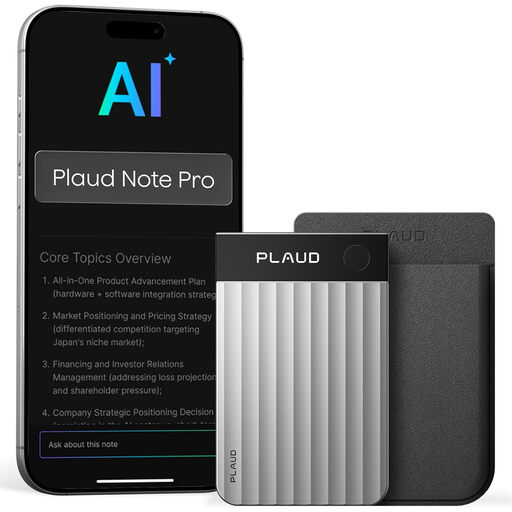
An option if you’re looking for a device in the voice recorder category; check in advance how you can listen back to recordings for speech practice.
 No image available
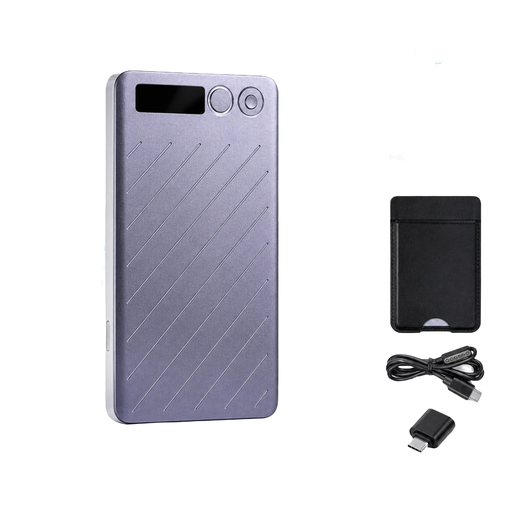
The product name describes a digital voice recorder with a transcription function. Check whether the playback options suit practising individual sentences and switching between languages.
Storage: 64 GB, as stated in the product name.
 No image available
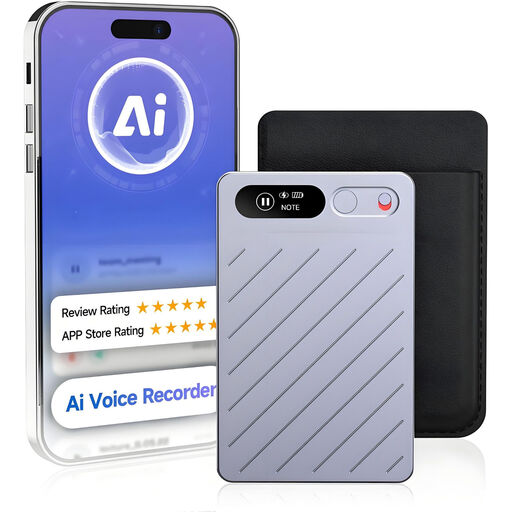
The product name describes a mini voice recorder. Before buying, check how you can listen back to your recorded speech and whether the listed features suit the way you’ll use it.
Storage: 64 GB, as stated in the product name.
 No image available
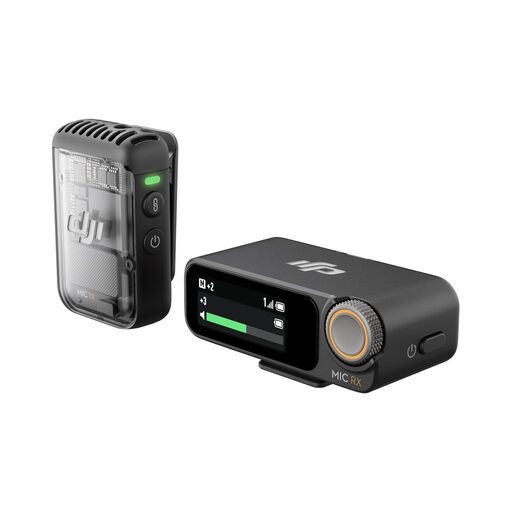
This set is a wireless microphone option if you want to position the microphone separately from the recorder. Check in advance how the microphone works with your recording device.
The product name states that it has 32-bit float internal recording.
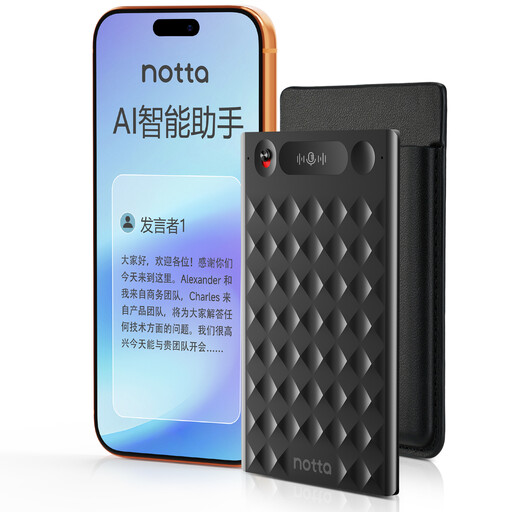 No image available
The product name describes a voice recorder with one-touch operation. Check that you can easily find and listen back to your recordings while practising.
Storage: 32 GB, as stated in the product name.
Make a short test recording from the spot where you plan to stand while practising, then listen back to both languages. If necessary, compare a different distance or microphone position; the room and background noise also affect what you hear.
Not to record and listen back to audio locally. Philips describes cloud speech-to-text for the DVT4115 as an additional feature; check the terms separately if you want to use that service.
Check the power supply, available storage and playback options. According to their product information, the Sony ICD-UX570 and Philips DVT4115 have internal memory; the Zoom H1essential manual describes recording to microSD. Also check how to transfer files to your own device.
With normal use, the seller must resolve the issue free of charge if a product breaks sooner than you could reasonably expect. This could mean a repair or replacement. According to ACM ConsuWijzer, a refund may also be a solution. When you buy remotely from a business, you’ll generally also have a 14-day cooling-off period; check whether any exceptions apply to your purchase.
According to the Dutch Data Protection Authority, an exception to the GDPR applies when recordings are made solely for personal or household use. Don’t assume that this exception also applies to professional use, or to sharing or publishing identifiable recordings. Consider how you’ll use the recording and let the other participants know before you record.