
Solo newsreader
You’re recording a bulletin on your own and want a recorder that’s easy to position and lets you check the voice recording.


If you’re recording on your own, a handheld recorder with built-in microphones may suit a compact set-up, as long as you can position it securely and listen back to a test recording. If you want to use a separate microphone in a fixed speaking position, choose based on the connection and power supply you need. 32-bit float recording is no substitute for good positioning or checking for plosive sounds.
You’re recording a bulletin on your own and want a recorder that’s easy to position and lets you check the voice recording.
You want to position the microphone in a fixed speaking position. Make sure its connection and any power requirements match the microphone you plan to use.
You record in different locations and want to check the positioning, storage and playback options before each recording.
Choose this option: if you’re speaking on your own and want a compact set-up. The Zoom H1essential and Tascam DR-07XP have built-in stereo microphones.
Bear in mind: positioning, room noise and plosive sounds still matter. Built-in stereo microphones alone don’t guarantee a suitable recording of a solo voice.
Choose this option: if you want to position the microphone separately from the recorder and have a compatible minijack microphone. The Zoom H1essential has a MIC/LINE IN with plug-in power; Roland specifies compatible 3.5 mm TS/TRS microphones for the R-07.
Bear in mind: the plug type and power requirements must match. According to Roland, a TRRS microphone won’t work directly with the R-07.
Choose this option: if you want to connect a compatible XLR microphone or need two separate microphones. The Zoom H4essential and Tascam DR-40XP have two XLR/TRS inputs with phantom power.
Bear in mind: check the microphone, cable and any power requirements too. These connections aren’t necessary for every solo recording.
| What to consider | What to check when buying | Who is this important for? |
|---|---|---|
| Voice and speaking distance | Check that you can position the recorder or microphone securely where you want it and listen back to the recording. | If I speak close to the microphone, I want clear speech without distracting plosive sounds. Around 33% of consumers put clear speech and positioning top of their list. |
| Connection and power | Compare the plug, input and microphone power requirements with the specifications for the exact model. | If I want to use a separate microphone in a fixed speaking position, it needs to connect to the recorder and receive the right power. Around 27% of consumers prioritise connection and power. |
| Checking the recording | Find out how you can listen to a test recording on your chosen model, and test the complete recording set-up. | Before using a bulletin, I want to be able to hear whether the recording is good enough to use. Around 20% of consumers put monitoring the recording top of their list. |
| Using it in different locations | Check what storage and power are needed, and whether they’re included with the version you’re buying. | If I record in different locations, I want to be able to get my equipment ready in advance and check it quickly. Around 20% of consumers prioritise mobile use. |
This recording mode won’t solve problems caused by an unsuitable microphone position, the room or plosive sounds.
Make a test recording from the position you plan to speak in and listen back before recording your bulletin.
You may need to re-record or spend extra time editing if the positioning or plosive sounds aren’t right.
The microphone’s plug and power requirements must be compatible with your chosen recorder. An XLR microphone won’t fit a recorder that only has the relevant minijack input.
Choose your microphone set-up first, then compare the connections and power specifications for the exact recorder model.
You may need a different recorder or extra connection and power equipment.
The Tascam manual lists a microSD card and batteries for the DR-07XP as sold separately. The Roland manual says a memory card is needed to record with the R-07 and also lists a card among the contents of the package described.
Check what’s included with the exact version and test the recorder before recording your bulletin.
You may need to buy a suitable memory card or batteries separately.
The H1essential combines built-in microphones with a MIC/LINE IN; the H4essential also has two XLR/TRS inputs.
The DR-07XP has adjustable built-in stereo microphones; the DR-40XP adds XLR/TRS inputs with phantom power.
The R-07 has built-in microphones and a 3.5 mm external microphone input.
Here are some portable voice recorders to consider for recording a bulletin. Check that the microphone set-up, storage and power suit the way you plan to record for each version.
 No image available
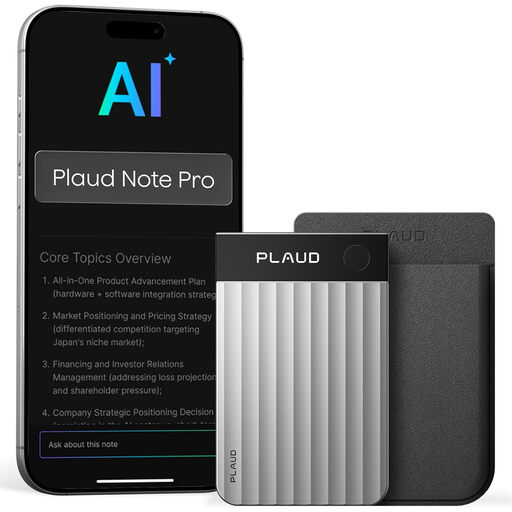
A portable voice recorder to consider if you want to record a bulletin. Check that the microphone set-up suits the speaking distance you need.
 No image available
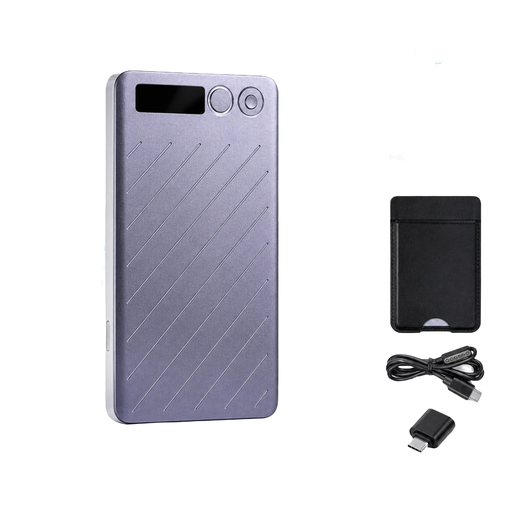
A portable recorder to compare for a spoken bulletin. Before buying, check how you can position the microphone for your speaking position.
 No image available
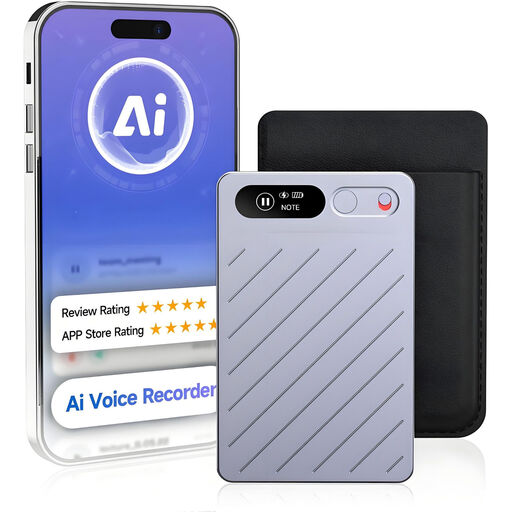
A compact voice recorder to consider for recording a bulletin. Check that its position suits the distance you want to speak from.
 No image available
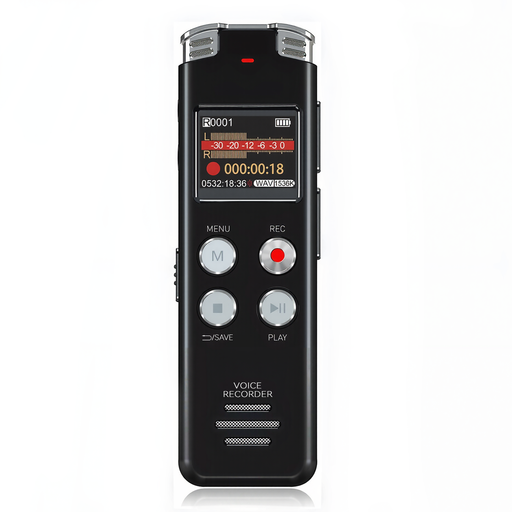
A portable voice recorder to consider for recording in different locations. Check what storage and power are needed for the version you choose.
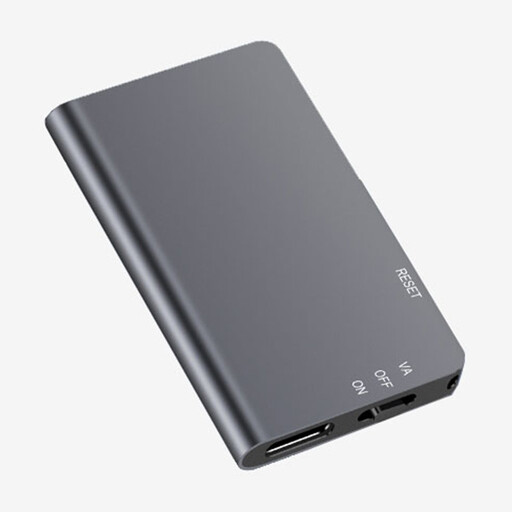 No image available
A voice recorder to consider if you want to record and listen back to a bulletin. Check that the recorder and microphone suit your planned speaking set-up.
No. Try a fixed speaking position and listen back to a test recording. Shure explains that directional microphones can produce more bass when placed closer to the sound source; a pop filter can help reduce plosive sounds when speaking. There’s no single ideal distance for all the recorders mentioned.
No. Check both the plug and the power requirements of the microphone and recorder. For the R-07, Roland lists compatible 3.5 mm TS/TRS microphones, rules out direct use of TRRS microphones and says an external power supply is needed for a microphone that requires 48 V.
Check the storage and power requirements for your version, then listen back to a short test recording. The Tascam manual lists microSD cards and batteries for the DR-07XP as sold separately; the Roland manual says the R-07 needs a memory card and also lists a card among the contents of the package described. So check what’s included with your version.
According to ACM ConsuWijzer, online purchases generally come with a statutory cooling-off period of up to 14 days after delivery, subject to exceptions. In addition, under the statutory guarantee, the seller must put right free of charge any product that, under normal use, doesn’t do what you’re entitled to expect.
Not without considering the rules on personal data and the circumstances of publication. The Dutch Data Protection Authority says that processing and publishing personal data require an appropriate legal basis, and discusses exceptions, including journalistic use. Whether that exception applies to a particular recording depends on its purpose and circumstances.