When background noise is persistent, keeping a microphone close to your mouth matters more than simply choosing a recorder: a recorder cannot fix the room’s acoustics. A lapel microphone keeps the mic close to your voice, a handheld recorder with built-in microphones is easy to position, and an external microphone input gives you more flexibility, but may require extra equipment.
Who is this suitable for?
Soft-spoken person in a noisy room
If you can hear neighbours, ventilation or other room noise, it’s worth keeping the microphone close to your voice. Shure describes moving the microphone closer to the speaker as a way to improve the balance between voice and background noise.
Creator who wants to record solo with ease
If you record from one fixed spot and don’t want to wear a microphone, a handheld recorder with built-in microphones can be a practical choice. The distance from where you speak and a test recording are still key to getting the setup right.
Creator who wants more microphone setup options
If you want to position the microphone separately from the recorder, or connect a different model later, look for a suitable microphone input. You’ll also need to check the connection, whether it requires power and which cables you need.
What should you look for when buying?
Start with the distance between the microphone and your mouth. Then choose between a lapel microphone you can wear, a recorder you can place close to your usual speaking position, or a recorder with an input for a separate microphone.
| What to consider |
What should you check? |
Who is this most important for? |
| Clarity with room noise |
Can you position the microphone close to your mouth? Listen to a test recording with your usual background noise. |
If I speak softly and background noise could drown out my words, I want to keep the microphone close to my voice. Around 36% of consumers put clear speech first. |
| Easy solo recording |
Check the built-in microphones and controls, and whether you need to insert a memory card before your first recording. |
When I want to record from one fixed spot without wearing a microphone, a simple setup matters most. Around 29% of consumers prioritise getting started easily. |
| Flexible microphone positioning |
Check the input type, microphone plug, whether it needs power and how many separate inputs there are. |
If I can’t place the recorder beside where I speak, or want to connect a different microphone later, I want more choice in how I set things up. Around 21% of consumers prioritise expandability. |
| Recording a longer session |
Check the storage and power; make a test recording and play it back before recording a full meditation. |
For a longer session, I want to know that the storage and recording settings are ready, and that I can check the file. Around 14% of consumers prioritise confidence while recording. |
Common buying mistakes
-
Placing the recorder too far away because the microphones seem sensitive
A microphone won’t make the room quieter. The further the microphone is from soft speech, the more prominent background noise may seem in comparison.
Test it at the distance you’ll actually use during meditation. If needed, compare a recorder placed near where you speak with a microphone you can wear.
-
Using the Zoom H1essential without a microSD card
According to Zoom’s manual, you can’t record or play back on the H1essential without a microSD card inserted.
Check which card you need and test it in the recorder before starting a session.
-
Assuming a microphone input is all you need for a complete setup
The input on the Zoom H4essential won’t, by itself, position a microphone close to your voice. The microphone you choose and its connection will also affect how you can set up the recorder.
Check which connection you need, whether it requires power and what’s included with the version you choose.
Brands to consider
Tascam
The DR-10L Pro is a portable recorder supplied with a lapel microphone, while the DR-05XP is a handheld recorder with built-in stereo microphones.
- Tascam states that the DR-10L Pro offers 32-bit float recording and includes a lapel microphone.
- The DR-05XP’s omnidirectional microphones make distance from the speaker important. 32-bit float doesn’t make background noise disappear.
Zoom
The H1essential is a compact handheld recorder with MIC/LINE IN; the H4essential also has two XLR/TRS inputs.
- The H4essential’s inputs let you connect suitable external microphones. Zoom states that these models offer 32-bit float recording.
- According to its manual, the H1essential can’t record or play back without a microSD card inserted. A recording feature won’t remove room noise.
OM SYSTEM
The LS-P5 is a standalone recorder with built-in memory and an adjustable direction setting for its built-in microphone system.
- OM SYSTEM specifies 16 GB of built-in memory and a narrower setting for more focused recording.
- A more focused setting doesn’t guarantee a quiet recording if distracting noise comes from the same direction as your voice.
Philips VoiceTracer
The DVT6115 is designed for standalone recording, with built-in microphones, recording settings and internal memory.
- The manufacturer specifies 8 GB of internal memory and recording presets.
- Philips’ claims about quality and automation don’t prove that background noise will be sufficiently reduced in a flat.
Joybuy products for spoken recordings
These Joybuy products are digital voice recorders for spoken recordings. Check each model to see which features suit your recording setup.
 No image available
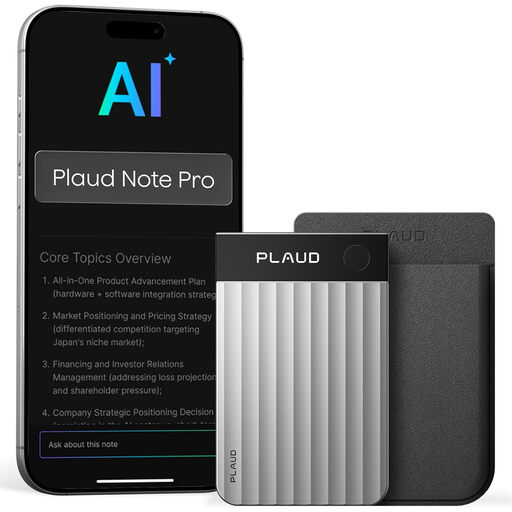
Plaud Note Pro (Silver) AI voice recorder
The product name mentions AI notes and summaries. Check which features suit the way you want to process your recording afterwards.
The variant is listed as Silver.
View at Joybuy
 No image available
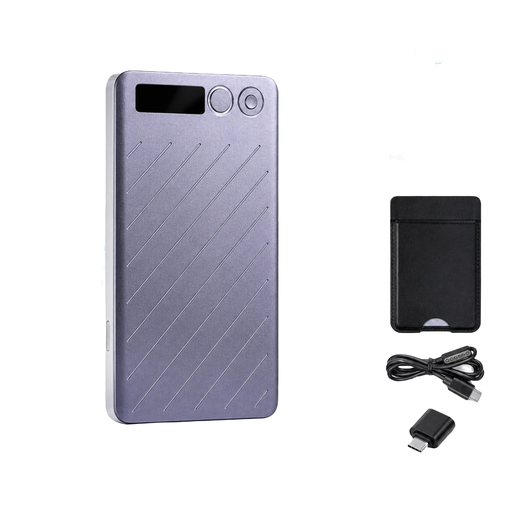
64 GB digital voice recorder with transcription function
The product name mentions a voice recorder with a transcription function. Check whether the software and languages provided suit the way you’ll use it.
The title specifies 64 GB of storage.
View at Joybuy
 No image available
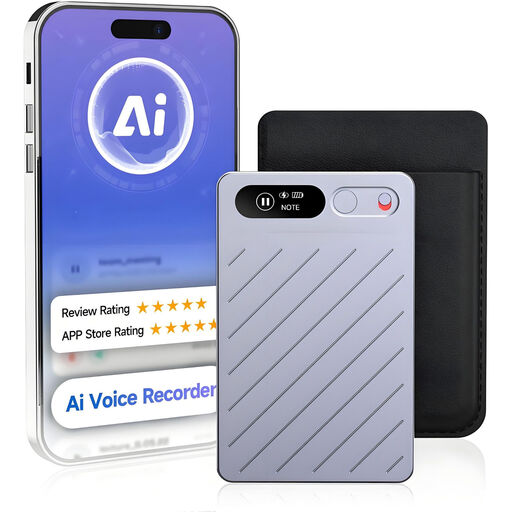
AI Dictation Device 64 GB Mini Voice Recorder
The product name mentions transcription and summaries in 118 languages. Check whether the processing described suits the way you intend to use it.
The title specifies 64 GB of storage.
View at Joybuy
 No image available
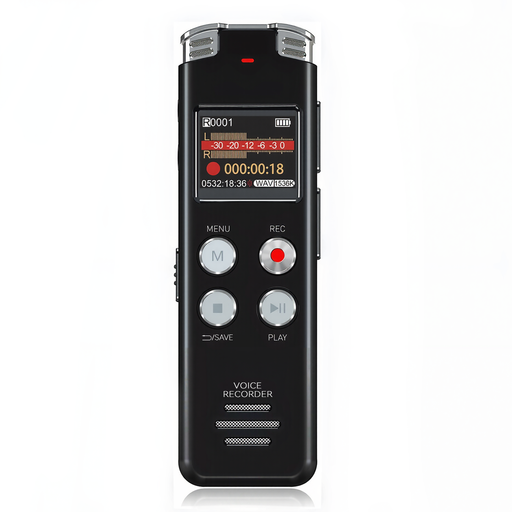
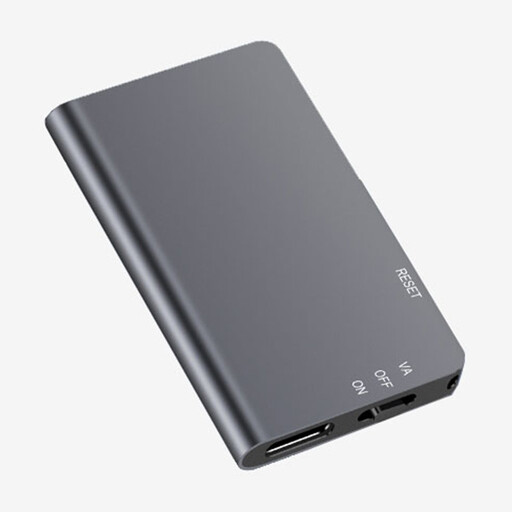
Rexsun L357 portable digital voice recorder (grey)
A portable recorder could be a good fit if you want to make a spoken recording on your own. Test the microphone position in the room where you’ll record your meditation.
The product name specifies 128 GB. The stated AVR mode only records when sound is detected, so check that this setting suits your recording.
View at Joybuy
 No image available
Rexsun L810 digital voice recorder (grey)
The title mentions one-touch operation. Before recording a longer meditation, make a test recording and listen back to it.
The product name specifies 64 GB. The stated VOR mode pauses during silence, so check that it suits the pauses in your meditation.
View at Joybuy
Frequently asked questions
Does 32-bit float help with neighbours’ noise or echo?
No. 32-bit float isn’t acoustic soundproofing. Zoom and Tascam list it as a recording feature, but Shure explains that recording closer to the speaker or making the room quieter can improve the balance between voice and background noise.
What should I test before a long meditation session?
Check the storage and power, make a short test recording and listen back with the usual background noise in the room. The Zoom H1essential needs a microSD card inserted to record and play back.
Am I automatically entitled to a two-year legal guarantee on a recorder in the Netherlands?
No. According to the Dutch government, there’s no fixed legal guarantee period in the Netherlands. You’re entitled to a product that works as it should, and its expected useful life depends partly on the product and the circumstances. If there’s a fault, contact the seller; any manufacturer’s guarantee is an additional benefit.
Can I publish a meditation if other people’s voices are recognisable in the recording?
Consider publishing separately from recording your own voice. The Dutch Data Protection Authority states that publishing other people’s personal data generally requires a valid legal basis under the GDPR; consent is one possible basis. The exception for purely personal or household use doesn’t necessarily apply to public or commercial publication. Whether a recording contains an identifiable person depends on the specific recording.


