Who is this choice relevant to?

Practising pronunciation in a reverberant room

If you want to assess your own pronunciation, a microphone close to the speaker and features for replaying specific sections can help. Shure explains that a microphone cannot effectively separate reflected speech from direct speech.

Leading a small discussion group

If you want to record participants around one table, you’ll need to position the microphone to suit their seats. Philips describes a 360° conference microphone for the DVT8115, but this does not guarantee that people will be intelligible from a distance in a reverberant room.

Saving and managing practice recordings

If you want to record without using a phone, you can also consider storage, file transfer and playback features. The Dutch Data Protection Authority considers identifiable audio recordings to be personal data; organisations must assess the applicable legal basis and what information to provide to the people concerned.

What should you look for?

First decide whether you want to record one speaker close up or several participants around a table. Shure points out that microphone distance and reflections affect the balance between direct speech and reverberation.

What to consider What to look for Who is this important for?
Keeping speech intelligible Position the microphone close to the speaker and make a test recording in the room. If I want to assess my own pronunciation in a reverberant room, I mainly need to position the microphone appropriately. Around 36% of consumers give clear pronunciation top priority.
Recording a group around a table Check the distance to the participants and whether the version you choose includes a conference microphone. When people are talking around one table, I want to capture several voices; around 29% of consumers prioritise covering a group.
Replaying sections Check whether the model has features such as A-B repeat, markers or speed control. If I want to listen to a pronunciation several times, repeat and playback features matter to me. Around 21% of consumers prioritise being able to replay specific sections.
Storage and file management Check the storage method, power supply, file transfer and who will have access to shared recordings. If you want to record without a phone and manage files carefully, consider storage and transfer; around 14% of consumers make this their top priority.

Common pitfalls

  • Assuming a higher bit depth will fix room echo

    A recording feature won’t change the room’s acoustics or the distance between the microphone and speaker. Reflected speech may still be audible.

    First, check the microphone position and make a test recording in the room. Only then compare recording formats.

  • Assuming 360° recording means clear speech at any distance

    A microphone that picks up sound from several directions does not guarantee that voices will be clear in a large, reverberant room.

    Test from the furthest seat. For individual pronunciation practice, a microphone closer to the speaker may be more suitable.

  • Leaving storage or power checks until your first session

    You won’t be able to record if the required storage or power supply is missing. Depending on the recorder, you may need a compatible memory card or separate power supply.

    Check the version you’ve chosen and test the storage, power supply and playback of a test file in advance.

  • Confusing transcription with permission to share recordings

    A transcription feature doesn’t determine who can receive a group recording. Identifiable voices may be personal data; uploading or sharing them is a separate form of processing.

    An organisation should assess in advance why it is processing the recording, who can access it and how long it will be kept. The Dutch Data Protection Authority explains that the applicable legal basis and information requirements must be assessed for each situation.

Brands to consider

Philips VoiceTracer

The DVT8115 is designed for a small practice group around a table; Philips describes using it with a 360° conference microphone.

  • Philips lists 8 GB of built-in memory and features for finding recordings.
  • The description of recording in all directions does not prove that speech will remain intelligible at a distance in a reverberant room.

Sony

The ICD-UX570 is a compact recorder for recording individual pronunciations and replaying specific sections.

  • Sony lists 4 GB of internal memory, A-B repeat, speed control and markers.
  • These features don’t tell you how well voices will be captured when participants are spread around a room.

OM SYSTEM

The WS-883 combines a compact voice recorder with features that the manufacturer describes as useful for language learning.

  • OM SYSTEM lists 8 GB of internal memory, USB transfer and Voice Shadowing.
  • Voice enhancement features are no independent guarantee against room echo.

Zoom

The H1essential is a handheld recorder with stereo microphones and an input for a microphone you choose separately.

  • Zoom lists a 3.5 mm microphone/line input, 32-bit float recording and playback speed control.
  • The recording mode won’t fix a poor microphone position or room acoustics.

Tascam

The DR-05XP is a handheld recorder for practice sessions where a different microphone setup may be preferable.

  • Tascam lists built-in omnidirectional stereo microphones, an external microphone input and 32-bit float recording.
  • The manufacturer’s claim of clear recordings is not a measure of speech intelligibility in this room.

Joybuy products

This selection includes portable voice recorders for capturing practice sessions. Check that the features, storage and accessories of each version suit the way you plan to use it.
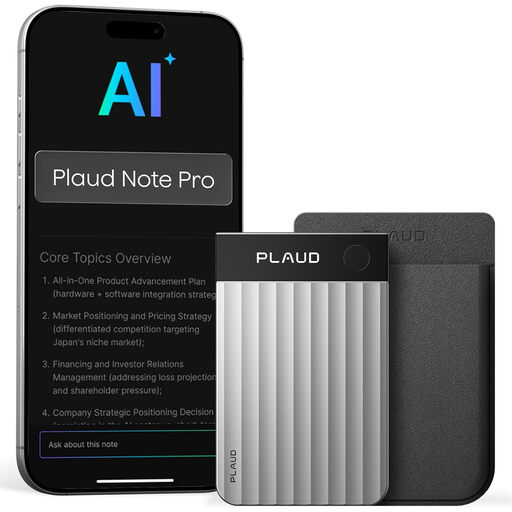
Plaud Note Pro AI Notes & Summary Voice Recorder, Silver

Plaud Note Pro, Silver

Worth comparing if you’re looking for a voice recorder with transcription; the product description also mentions summaries.

View at Joybuy
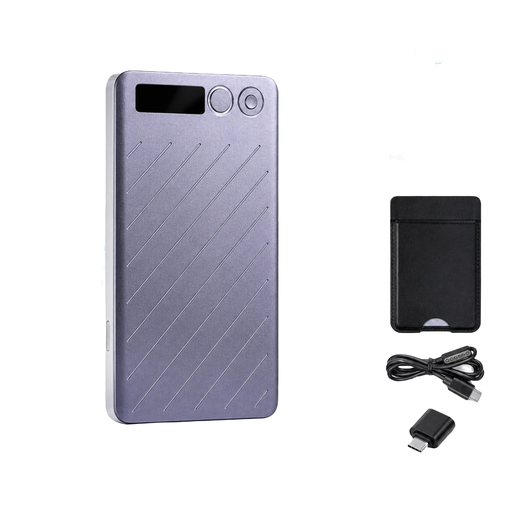
Digital voice recorder with transcription, 64 GB

Digital voice recorder, 64 GB

An option to consider if you’re looking for a digital recorder with transcription; the product title lists 64 GB.

View at Joybuy
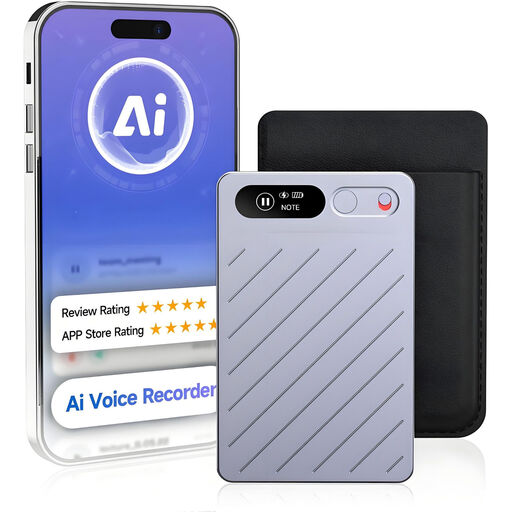
AI dictation device with transcription and summary, 64 GB

AI dictation device, 64 GB

Worth comparing if you’re looking for one device for recording and transcription; the product title also mentions summaries in 118 languages.

View at Joybuy
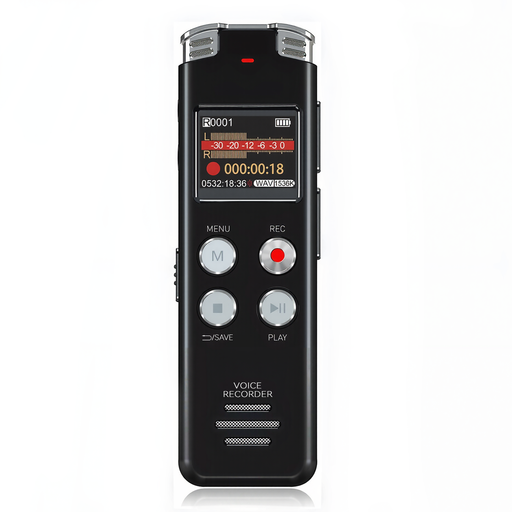
Rexsun L357 portable digital voice recorder, 128 GB

Rexsun L357, 128 GB

A portable digital voice recorder to consider if you want to capture practice sessions; the product title lists 128 GB.

View at Joybuy
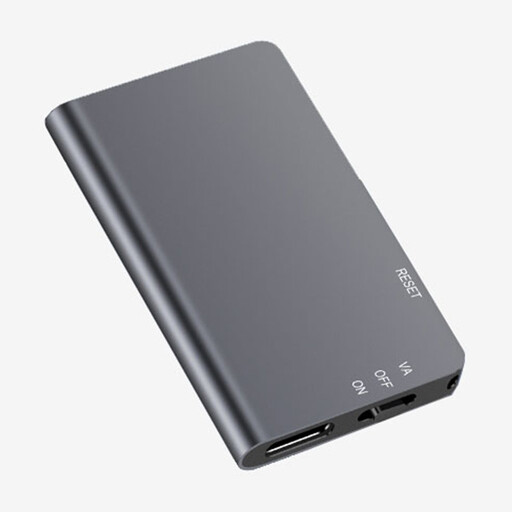
Rexsun L810 digital voice recorder, 64 GB, one-touch recording

Rexsun L810, 64 GB

A digital recorder to consider if you’re looking for a model with one-touch recording; the product title lists 64 GB.

View at Joybuy

Frequently asked questions

Does 32-bit float recording help with room echo?

No, that recording mode won’t change the room’s acoustics or the distance to the speaker. Position the microphone so the intended voice sounds clear in a test recording; Shure explains why reflected speech cannot be effectively separated from direct speech.

How should you set up a recorder for a group discussion?

First decide whether you want to record one speaker or participants around a table. For a group around a table, place a conference microphone centrally and check the furthest seat with a short test recording too. For individual pronunciation practice, a position close to the speaker is more suitable.

How can you avoid losing a practice recording?

Before the session, check the required storage and power supply, make a test file and play it back. Keep a backup afterwards; Philips recommends backing up recordings and warns that a factory reset deletes data.

Can a club record participants without telling them?

There’s no general answer to this. Identifiable audio recordings may be personal data; an organisation must determine the applicable GDPR legal basis for the specific situation and tell those concerned about matters including the purpose and retention period. Consent is one possible legal basis, but it is not automatically the only one.

Can you upload recordings to a cloud service for transcription?

Assess uploading separately from making a recording locally. If an organisation processes identifiable voices, it must consider the applicable legal basis and what information to provide to those concerned, including the purpose, sharing and retention period. You don’t need to upload a recording to make one locally.
