What should you look for when choosing?
First, make a test recording from the intended performance positions. Then decide whether built-in microphones will be enough or whether you want to record separate sources.
| What to consider |
What to look for |
Who should prioritise this? |
| Clarity |
Make a test recording from the performance positions and compare the placement, including when performers move around. |
If I want to hear words clearly from different places, I’ll consider distance and microphone position; around 33% of consumers put clarity first. |
| Separate voices |
Count the separate sources you need and check the number of inputs and tracks on the exact model. |
If I want to edit voices separately, I’ll check that the set-up is suitable; around 27% of consumers prioritise separate voices. |
| Varying vocal levels |
Check the available recording mode and listen to both quiet and loud passages in a test recording. |
If my text includes both whispered passages and loud exclamations, I’ll want to be able to assess both in the recording; around 27% of consumers prioritise varying vocal levels. |
| Recording and playback |
Check the chosen model’s playback features, power supply and required storage media. |
If I want to replay a passage easily during rehearsal, straightforward controls matter too; around 13% of consumers give this top priority. |
Joybuy products
This selection includes portable voice recorders and a wireless microphone set for recording spoken material. Check that each model’s connections and features suit your rehearsal set-up.
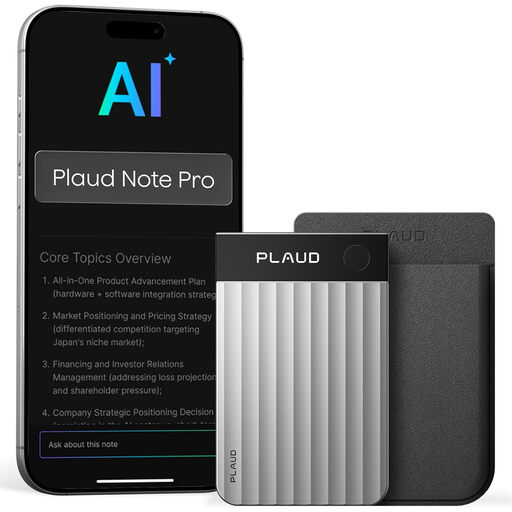 No image available
Plaud Note Pro AI Notes & Summary Voice Recorder (Silver)
An option to consider for recording spoken material; check which features and software are included with the listed AI Notes & Summary functions.
View on Joybuy
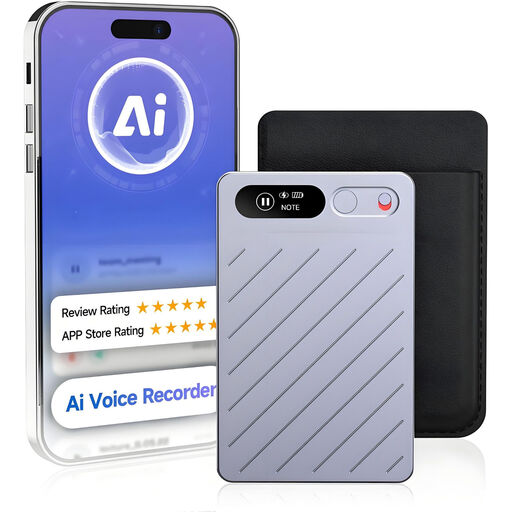 No image available
AI Dictation Device, 64 GB, 118 Languages
For anyone looking for a portable recorder for spoken material; the product name lists transcription and summaries in 118 languages.
View on Joybuy
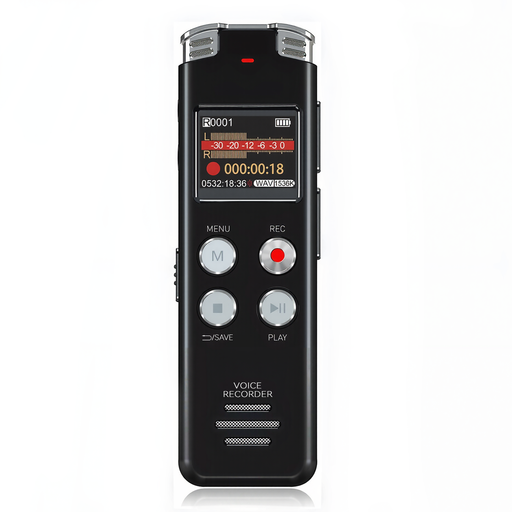 No image available
Rexsun 128GB Digital Voice Recorder, L357
A portable recorder to consider for capturing a performance and listening back to it. The product name lists 128 GB, an LCD screen and model L357.
View on Joybuy
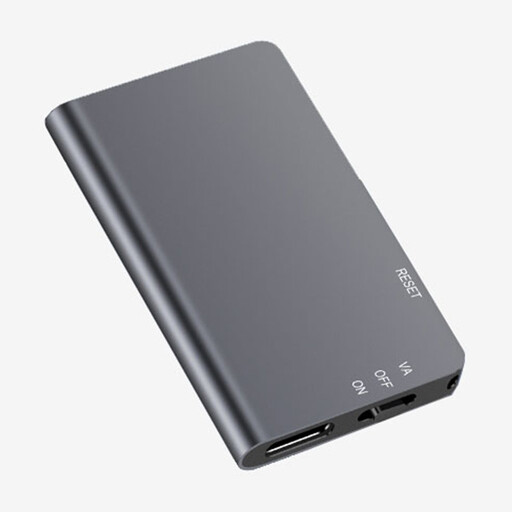 No image available
Rexsun 64GB Digital Voice Recorder, L810
A portable recorder to consider if you want to listen back to spoken material after a rehearsal. The product name lists 64 GB, one-touch recording and model L810.
View on Joybuy
 No image available
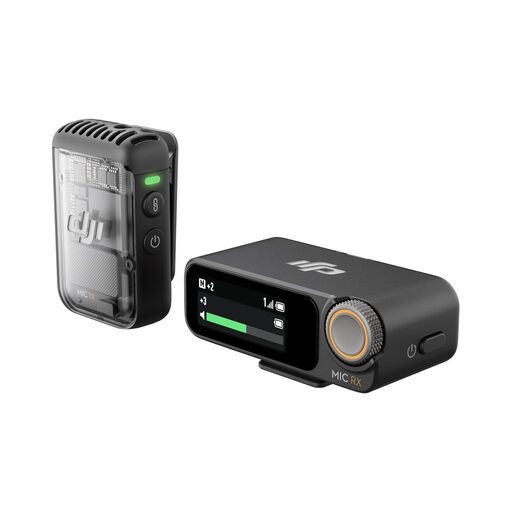
DJI Mic 2 (1 TX + 1 RX), 32-Bit Float Internal Recording
A wireless microphone set to consider for recording one speaker. The product name lists internal 32-bit float recording; this bundle includes one transmitter.
View on Joybuy
Frequently asked questions
Does 32-bit float help with reverberation in a rehearsal room?
No, 32-bit float recording won’t remove reverberation from a recording. Shure explains that direct speech can’t be separated from room reverberation once it has been recorded, so make a test recording with your intended microphone placement first.
What should you check before the reading starts?
Try the actual performance positions and both quiet and loud sections of the text. Listen back to your test recording and check the power supply, available storage and selected recording mode. This lets you assess the set-up before the full reading begins.
Do you need extra microphones to edit several performers separately?
If you want to record separate sources, check the microphone placement and the number of inputs and tracks available on the exact model. Zoom lists two XLR/TRS inputs alongside built-in microphones for the H4essential; Tascam lists two XLR inputs alongside built-in microphones for the Portacapture X6.
What can you do if a recorder bought in the Netherlands turns out to be faulty?
According to the Government of the Netherlands, the seller must provide a solution if a product is faulty. There is no fixed statutory guarantee period in the Netherlands; what you can expect depends, among other things, on the product and the information provided when you bought it.
Can you record and share the dramatic reading?
This depends on the purpose, whether the speakers can be identified, and the rights to the text and performance. The Dutch Data Protection Authority considers identifiable audio recordings to be personal data; if the GDPR applies, you must assess the legal basis for processing. Sharing protected texts may be subject to creators’ rights, and performing actors may have related rights. Discuss the purpose and any plans to share the recording with those involved in advance, and check the relevant rights before publishing.


