
Expressive solo speaker
You switch between quieter and more powerful lines and want to be able to listen back to your appeal. Look for a stable microphone position and make a test recording with both types of passage.


For a solo appeal, a recorder with built-in microphones is a practical place to start, provided you can position it securely and play back your recording. Zoom and Tascam offer models with 32-bit float recording, but this won’t prevent echo or poor microphone placement. Extra inputs are mainly useful if you want to connect several microphones separately.
You switch between quieter and more powerful lines and want to be able to listen back to your appeal. Look for a stable microphone position and make a test recording with both types of passage.
You’re recording in a typical home or work space and want your voice to remain clear. Shure explains that microphone distance and positioning affect how much reflected sound you hear alongside the direct voice.
For example, you’re recording a second speaker and may want to edit the voices separately. Compare the number of inputs and tracks with your recording plan.
First, make a test recording where you plan to record your appeal. Then decide whether built-in microphones will be enough or whether you need separate inputs.
| What to consider | What should you look for? | Who is this important for? |
|---|---|---|
| Quieter and more powerful passages | Test both with a sample recording and check how you can play it back. | If your delivery shifts from quiet to powerful, you’ll want to assess both passages clearly. Around 36% of consumers put differences in volume levels first when choosing. |
| Clarity in the room | Compare your usual distance with a position closer to the microphone. | In an echoey room, you’ll want to hear the voice clearly without the room being too prominent in the recording. Around 29% of consumers prioritise clarity in the recording space. |
| Easy solo recording | Check whether the recorder has built-in microphones and how the recording is saved. | If you’re recording alone and want to keep your setup simple, built-in microphones and an easy test recording are important. Around 21% of consumers prioritise recording on their own. |
| Extra microphone inputs | Check the number and type of inputs, and whether your microphone needs its own power supply. | If you want to record a second voice with a separate microphone, check in advance that the recorder and microphone setup are compatible. Around 14% of consumers prioritise separate microphone inputs. |
An audio format won’t automatically correct reflected speech. Shure explains that microphone placement affects the balance between the direct voice and reflections.
Record a short passage in the room you plan to use and listen back. If necessary, compare your usual microphone distance with a position closer to the speaker.
The Zoom H4essential’s two XLR/TRS inputs are mainly useful if you want to connect external microphones. The number of inputs alone won’t tell you whether the setup is right for your recording.
Decide how many voices you want to record at the same time, then check the connection and any power requirements for each microphone.
A setup with separate microphones may also need suitable cables and, possibly, a power supply.
Storage varies by model: the H1essential manual covers microSD cards, while OM SYSTEM lists 16 GB of internal memory and microSD support for the LS-P5.
Check the storage type and available space on the exact version before you start recording.
If your recorder needs a card, check whether a compatible memory card is included with that version.
An identifiable audio recording may be personal data. A test recording and a public release are different uses.
Discuss the purpose and publication with everyone involved, and consider which GDPR lawful basis applies before making the recording public.
The H1essential is a compact option with built-in X/Y microphones. The H4essential adds two XLR/TRS inputs for a more advanced setup.
The DR-05XP is a standalone handheld recorder with built-in microphones and a stereo mini-jack input for a compatible external microphone.
The LS-P5 is a compact standalone recorder for those who value built-in memory and level control options.
The DVT4115 is an alternative to consider if simple recording, built-in memory and sharing through a smartphone app suit the way you work.
This selection includes options for recording spoken content, from a microphone system to compact voice recorders. Check that the listed features, connections and playback options suit your recording setup.
 No image available
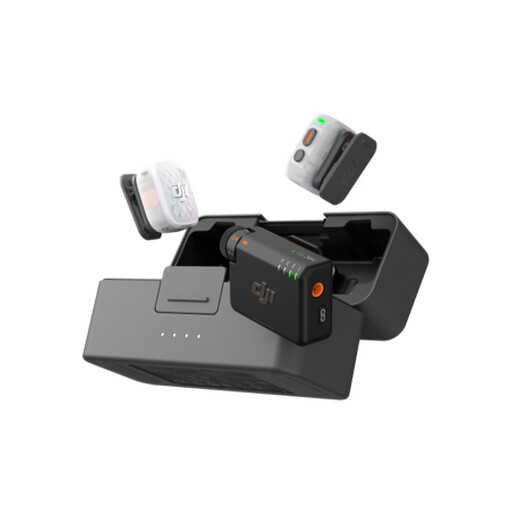
An option to consider if you’re looking at a microphone system rather than just a handheld recorder with built-in microphones.
The product name lists two transmitters, one receiver and a charging case.
 No image available
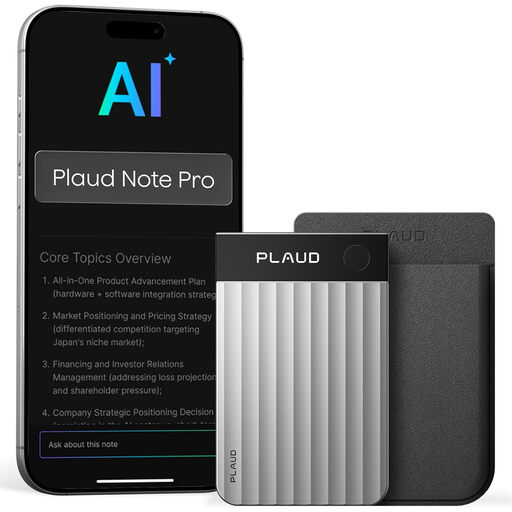
This voice recorder could suit you if you’d also like to explore the AI notes and summaries mentioned, as well as recording.
The product information lists 32 GB of built-in storage. Check that the available features suit the way you want to work on your appeal.
 No image available
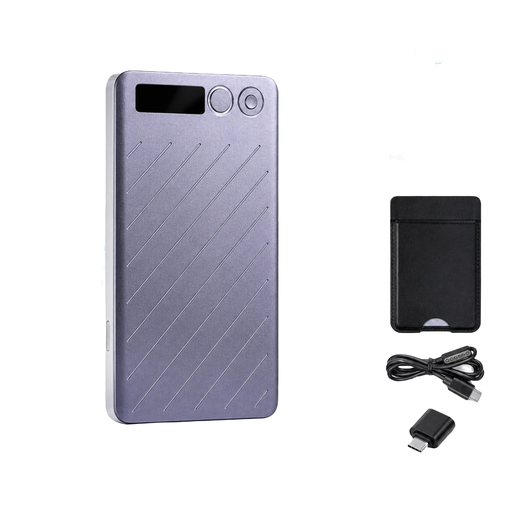
Consider this option if you’re looking for a portable voice recorder with a listed transcription function for spoken content.
The product name lists 64 GB and transcription. Check how the transcription function works with your recording.
 No image available
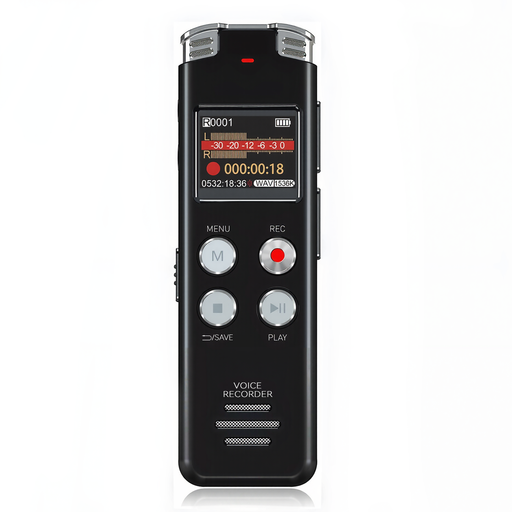
A portable voice recorder to consider if you’re looking for a standalone device for spoken content.
The product name lists 128 GB of storage and an LCD screen. Before use, check how you can play back and save recordings.
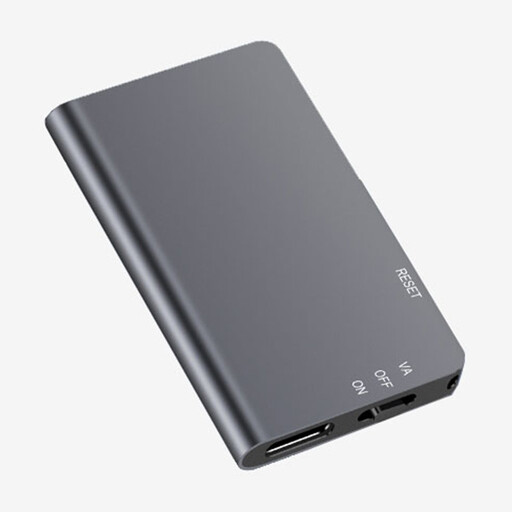 No image available
This recorder is worth considering if one-touch operation suits the recording setup you have in mind.
The product name lists 64 GB and one-touch recording. Check how you can play back a test recording.
No, 32-bit float isn’t essential for every recording. Microphone positioning and room acoustics also affect how clearly your words come across. Record your quietest and most powerful lines as a test, then listen back.
Place the recorder securely and record a short passage, first from your usual position and then, if necessary, closer to the microphone. According to Shure, a microphone can’t separate unwanted reflections from direct speech or improve the room’s acoustics.
For the exact version, check whether you need a memory card, suitable power supply, stand or external microphone, and what’s included. According to the Dutch government, there is no fixed term for the statutory guarantee in the Netherlands; if a product is faulty, the seller must provide a solution.
An identifiable audio recording may be personal data, and processing it requires a lawful basis under the GDPR. The Dutch Data Protection Authority says that, in most cases, you need permission to publish other people’s personal data online. Before recording and publishing, discuss who will be heard and how the recording will be used. What’s required in a specific case depends on the circumstances.