
Side sleeper taking an audio course
Wants to listen to course audio from their own app while resting their ear against the pillow. Look for a suitable profile and ear tips; Belkin also positions SoundForm Anywhere as suitable for side sleepers.


Choose a solution that can play audio from your course app via Bluetooth, then check that it stays comfortable in your sleeping position and consider how you’ll stop the lesson. If you sleep on your side, low-profile sleepbuds or flat earbuds may work for you; if you don’t want anything in your ear canal, consider a sleep headband. How much sound you block out, and whether you can still hear important sounds around you, is a personal choice.
Wants to listen to course audio from their own app while resting their ear against the pillow. Look for a suitable profile and ear tips; Belkin also positions SoundForm Anywhere as suitable for side sleepers.
Wants to follow a lesson without the audio continuing to play unnecessarily. soundcore lists a timer and automatic stop function for Sleep A20.
Wants to avoid pressure in the ear canal and may want to consider a headband with speakers. Thuisarts notes that earbuds may contribute to an inflamed ear canal; stop using them if you experience pain or irritation.
First, check that the solution can play audio from your course app. Then choose based on your sleeping position, the stop settings you want and how much sound around you you’d like to hear.
| What to consider | What should you look for? | Who is this important for? |
|---|---|---|
| Comfort when lying down and fit | Check the available ear tip sizes or how you can adjust the speakers in a headband. Assess the fit in your sleeping position. | If I listen on my side, I don’t want earbuds pressing against the pillow. Around 31% of consumers looking for a listening solution for this purpose put comfort when lying down first. |
| Playing and stopping your course | Check that it supports Bluetooth streaming from your app and whether you can set a timer or automatic stop. | I want to play my own lesson and prevent it from continuing unnecessarily after I fall asleep. Around 31% of consumers prioritise playing course audio and stopping it at the right time. |
| Disturbing background noise | Distinguish between passive isolation, sound masking and active noise cancellation. Also consider which important sounds you want to keep hearing. | If noise in my bedroom drowns out the lesson, I want to know what type of noise reduction a product offers. Around 23% of consumers put reducing disturbing noise first. |
| Ear and hearing comfort | Start at a low volume, set a stop time if needed and don’t wear earbuds that hurt. | I want to limit prolonged listening and avoid a fit that irritates my ears. Around 15% of consumers prioritise careful listening and comfort. |
For Sleep A20, soundcore quotes 10 hours per charge in Bluetooth mode and 14 hours in sleep mode. These figures apply to different modes; the quoted 55 hours with the charging case is not continuous listening time.
Compare the listening time per charge in the mode you’ll actually use to play your course.
A library of built-in sounds doesn’t prove that the earbuds can stream audio from an external course app.
Check that Bluetooth streaming for external audio is explicitly mentioned, and try the app with your phone.
Ozlo describes masking sounds and passive isolation; soundcore also lists active noise cancellation for Sleep A30. These are different techniques, and neither guarantees silence.
Choose based on the noise you want to reduce, and consider which important sounds around you need to remain audible.
Sleep A20 is designed for people looking for Bluetooth course audio and adjustable stop times; according to its European product information, Sleep A30 adds several forms of noise reduction.
Sleepbuds 2 are an option for people who want to combine external audio with built-in masking sounds.
SoundForm Anywhere are versatile wireless earbuds that Belkin also positions as suitable for side sleepers.
SleepPhones Wireless are a headband with speakers for people who’d rather not wear earbuds in their ear canals.
These product picks include a Bluetooth headband and Bluetooth earbuds for playing audio from a phone. For the specific wireless model, check that it carries the applicable CE marking.
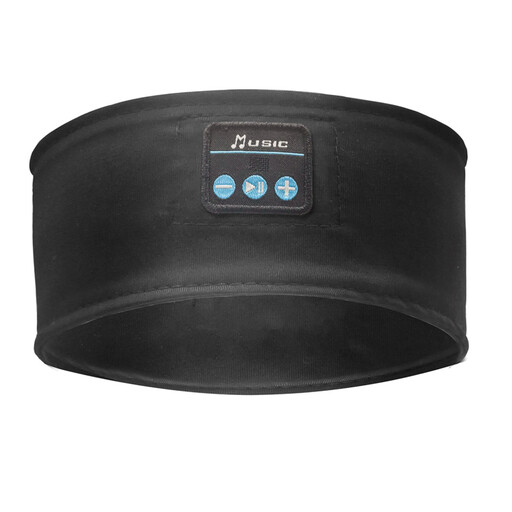 Image unavailable
An alternative for anyone who wants to listen to course audio through speakers in a headband rather than wearing earbuds in their ear canals.
Bluetooth 5.0; removable speaker modules; acrylic and polyester headband.
Check that the fit and speaker placement feel comfortable in your sleeping position.
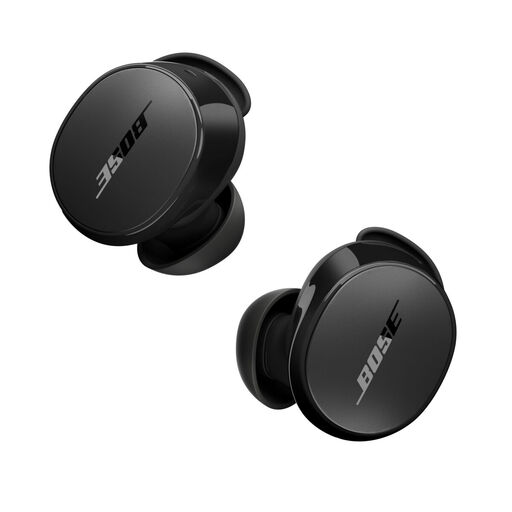 Image unavailable
The product description mentions Bluetooth pairing for podcasts; check that the earbuds feel comfortable in your sleeping position and work with your course app.
The description lists active noise cancellation and an Aware mode that lets background noise through.
For this specific wireless model, check that it carries the applicable CE marking.
Not necessarily: built-in sounds don’t mean the earbuds can play external audio. soundcore lists Bluetooth playback for Sleep A20, and Ozlo does so for Sleepbuds 2; also check that your phone and course app play the audio properly.
Where possible, use a timer in your course app or earbuds. According to soundcore, Sleep A20 can stop audio after 1 to 8 hours or stop automatically when it detects that you’ve fallen asleep. Some stop and switching settings can’t be used at the same time.
A sleep headband with speakers is an alternative that doesn’t put anything in your ear canal. Do check whether the speakers feel comfortable against your pillow. Don’t wear earbuds that hurt; Thuisarts notes that earbuds may contribute to an inflamed ear canal and advises contacting your GP if symptoms persist.
For radio equipment that must meet the applicable EU requirements, the Dutch Authority for Digital Infrastructure describes CE marking as mandatory. Check the specific model: a product name or mention of a product range alone doesn’t confirm that it carries the marking.
For online purchases, you generally have a statutory 14-day cooling-off period after delivery, according to ACM ConsuWijzer. An exception may apply to hygiene products that have been removed from their packaging; check whether it applies to the specific product. Separately, according to ACM ConsuWijzer, you’re entitled to a product that does what you could reasonably expect it to do.