
Cook with limited kitchen space
You make small portions and want to keep the counter space and number of separate parts to a minimum.


For a small portion of soft, roasted aubergine, a hand blender or compact chopper is a more practical choice than a large jug blender. It takes up more space, and the Consumentenbond considers it less suitable for thick mixtures and small portions. Choose a hand blender to purée in a suitable bowl, a chopper to control the texture with short bursts, or a jug blender if you also make larger, wetter mixtures.
You make small portions and want to keep the counter space and number of separate parts to a minimum.
You want to choose between a smoother purée and a chunkier texture, possibly with other ingredients chopped in.
You want to use the same appliance for other sauces, spreads or larger, runnier mixtures too.
Best for: puréeing a small portion of soft-cooked aubergine in a suitable bowl, with few separate parts.
Consider: a very thick mixture can be difficult to purée; a chopper is only included if it comes with the specific version you buy.
Best for: chopping aubergine with herbs or other ingredients, and adjusting the texture with short bursts.
Consider: the bowl, lid and blades mean extra washing up; chopping does not guarantee a smooth purée.
Best for: anyone who regularly makes larger or wetter mixtures as well as dip, and has space to store the jug and motor unit.
Consider: the Consumentenbond considers jug blenders less suitable for thick ingredients and small portions. They also take up more space and often mean more washing up.
| What to consider | What should you check? | Who is this important for? |
|---|---|---|
| Space and small portions | Compare the space needed for the motor unit and accessories; check whether the bowl suits the portion size you usually make. | If you have limited counter space and usually make a small portion, you won’t want to store a large jug. Around 36% of consumers prioritise space and small portions. |
| Dip texture | Check whether you can control the consistency with speed settings or short bursts; also consider any limitations when processing thick mixtures. | If you want to choose between a finer or chunkier result, control over the processing is important. Around 29% of consumers give their preferred texture top priority. |
| Washing up and cleaning | Check which parts are included with the specific version, and consult the manual for cleaning instructions. | If you want to tidy up quickly after making dip, the number of separate parts and how easy they are to clean matter. Around 21% of consumers prioritise cleaning. |
| Uses beyond aubergine dip | Choose accessories to suit your other recipes, and check exactly what is included with each version. | If you want to use the same appliance for other recipes too, its extra uses will affect your choice. Around 14% of consumers give versatility top priority. |
The Consumentenbond considers jug blenders less suitable for thick ingredients and small portions. They also take up more counter and storage space, and often mean more washing up.
Think about your usual portion size and how thick the dip is. Choose a jug blender mainly if you also make larger, wetter recipes.
Accessories vary between versions. Without the right chopper, you won’t be able to use the appliance to chop ingredients in the same way.
Check the full model number and the box contents for the specific version.
Chopping and puréeing until smooth are different processes; a hand blender can also struggle with a very thick mixture.
First decide what texture you want, then follow the puréeing advice and usage restrictions in the manual for the model you choose.
The MultiQuick range is worth considering if you’re looking for a hand blender. Braun lists a 350 ml chopper for the MQ7020WH.
The Easy Chop range consists of standalone choppers. Kenwood lists a 600 ml glass bowl for the CHP62.400SI.
Philips also describes its 3000 Series ProMix hand blender, the HR2520/00, as suitable for dips.
The PerfectMix+ BL871D is a jug blender option if you also make larger, runnier mixtures.
This selection focuses on hand blenders and compact choppers for small batches. Check the accessories and usage restrictions for each version.
 Image unavailable
A hand blender option for small portions; the product information also lists a chopper for chopping ingredients. Do not process boiling liquids, as stated in the product instructions.
 Image unavailable
This set combines puréeing and chopping for a range of recipes. The product instructions limit continuous use to 1 minute, followed by a 1-minute rest.
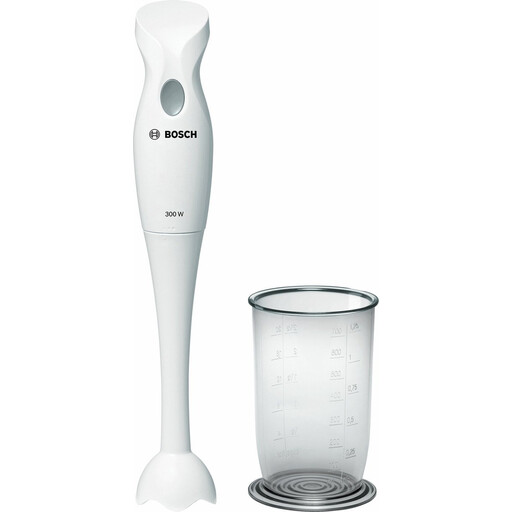 Image unavailable
A hand blender option for puréeing in a small kitchen; the product information lists a measuring beaker and use for sauces.
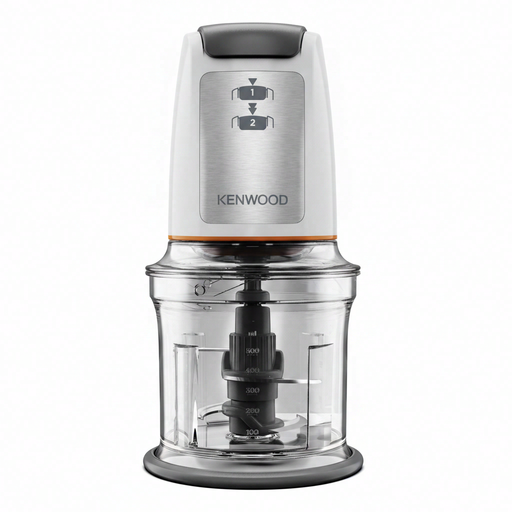 Image unavailable
A compact chopper for small batches. The instructions recommend using it for no more than 30 seconds at a time, then letting it cool for 2 minutes.
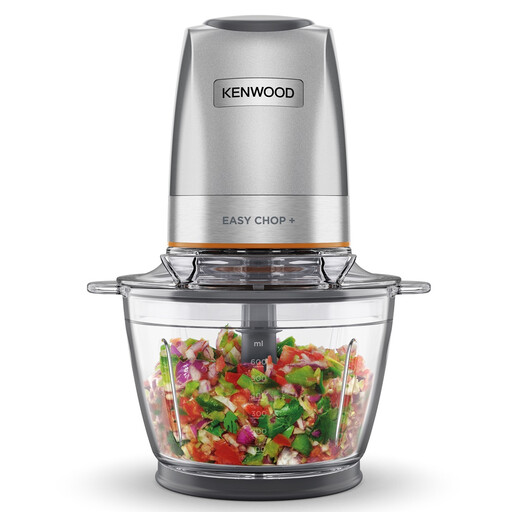 Image unavailable
A compact chopper for small batches. Chopping isn’t the same as puréeing until smooth; check the cleaning instructions for the parts included.
Let hot ingredients cool slightly first, and check the temperature limits in your model’s manual. The Consumentenbond warns about hot steam and overheating; don’t fill a jug blender beyond the indicated maximum either.
According to the Netherlands Nutrition Centre, cover leftovers and refrigerate them within 2 hours of preparation. Keep them in the fridge for up to 2 days. The Netherlands Nutrition Centre also recommends keeping cooked aubergine for 2 days; for your dip, follow the guidance for the ingredients you’ve used too.
No, don’t assume they are. Check the manual for the exact version: Kenwood says the bowl, blades and lid of the CHP62.400SI are dishwasher-safe, but that doesn’t necessarily apply to the motor unit or other models.
No. According to the Dutch Government, there is no fixed time limit for statutory guarantees in the Netherlands. Your rights if a product is faulty depend on what you could reasonably expect from it and the cause of the fault.
Electrical kitchen appliances must meet the applicable electrical safety and CE conformity requirements; parts that come into contact with food must comply with food contact material rules. Business.gov.nl and the NVWA explain these requirements for the Dutch market. Your Europe explains that there is no central EU body that issues CE marking as a quality certificate. Check the product information and instructions for the version you’re considering.