
Vandaag of morgen in huis

Kwaliteit gegarandeerd

Welkomstaanbiedingen ontgrendelen: GRATIS bezorging | Tot 80% korting | Gratis 30 dagen JoyPlus-proefperiode
Download de app
Choosing the right athletic shoes can be the difference between a game-winning play and a missed opportunity. Whether you're on a water-based pitch, an indoor court, or an artificial turf field, your shoes are your most important piece of equipment. Yet, the market is flooded with models that overpromise and underdeliver. Many athletes fall into the same traps: choosing based on aesthetics, ignoring the playing surface, or overpaying for marketing buzz. This guide will help you avoid those mistakes and make an informed decision.
Before we dive into specific features, it's crucial to recognise the most common purchasing mistakes.
To avoid making the wrong choice, focus on a few objective features. These will determine if a shoe is right for your sport and playing style.
The sole is the most critical component. Your choice depends entirely on where you play.
Team sports like hockey and lacrosse demand quick, lateral movements. A good shoe supports this with:
The shoe's upper material affects its durability, comfort, and ball feel.
Based on these functional criteria, we have selected several models that suit different types of athletes.
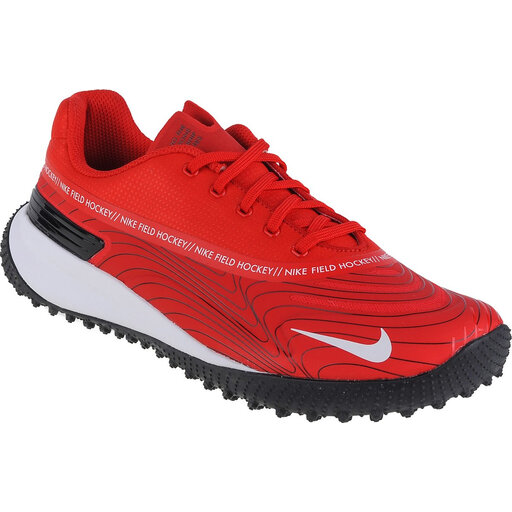
Why This Fits Their Persona: This player relies on speed and agility on the hockey pitch. The shoe needs to be lightweight yet provide the necessary grip and stability for quick sprints and abrupt stops on artificial turf.
This is not a generic trainer. Its construction is geared for field sports, with a durable rubber outsole providing grip on various surfaces and reinforcements that support lateral stability. This avoids the 'all-in-one' pitfall.
The lightweight construction supports speed, while the responsive foam midsole provides cushioning without adding weight. The breathable mesh upper keeps feet cool.
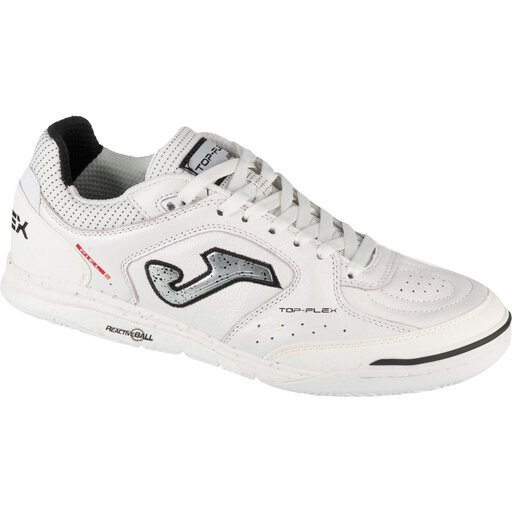
Why This Fits Their Persona: This futsal player needs ball feel, flexibility, and a responsive shoe for quick moves on a slick indoor court. Grip that doesn't leave marks is an absolute must.
This shoe is specifically designed for indoor courts. The non-marking rubber sole prevents the classic surface mismatch. It provides the right traction for indoor play, unlike a studded field shoe.
According to Joma, the Rebound technology in the midsole provides extra energy return. The flexible upper and reinforced toe cap offer a combination of ball control and durability.
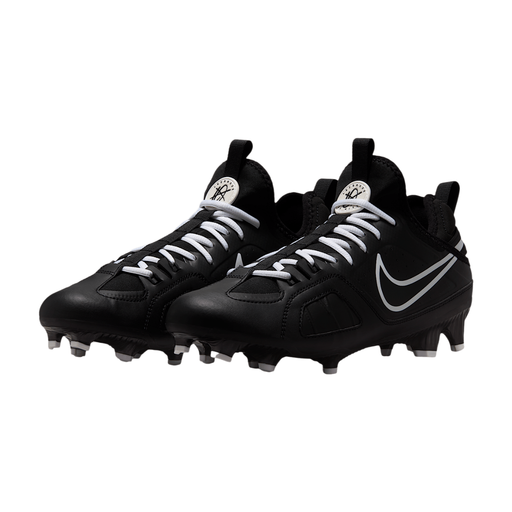
Why This Fits Their Persona: Lacrosse is a physically demanding sport that requires grip on grass, stability during pivots, and protection. This player is looking for specialised lacrosse shoes that offer this combination of features.
This model focuses purely on function over generic design. The shoe is specifically engineered for lacrosse, with a stud configuration for grip on natural grass and a secure lacing system that locks the foot in place. This isn't a fashion sneaker; it's functional equipment.
The combination of a lightweight synthetic upper and a cushioned midsole offers durability and comfort. The Huarache design is known for its snug and stable fit.
We have compiled a complete, up-to-date list of products that meet these strict selection criteria and local regulations.
The lifespan of hockey shoes depends on the frequency of use, your playing style, and the quality of the shoe. For an active player who trains and plays several times a week, it's common to replace shoes after one to two seasons. Wear on the sole and reduced stability are clear signs that it's time for a new pair.
No, this is strongly discouraged. The studs on field shoes provide no grip on a smooth indoor court, increasing the risk of slipping and injury. Furthermore, the hard studs can damage the floor. Always use shoes with a proper non-marking sole indoors.
For indoor football, the combination of two factors is crucial: a flat, non-marking sole for maximum grip and a flexible, thin upper for excellent ball feel. Models from brands like Joma are often popular because they focus on these features, which are essential for the technical and fast-paced nature of the sport.
