
Vandaag of morgen in huis

Kwaliteit gegarandeerd

Welkomstaanbiedingen ontgrendelen: GRATIS bezorging | Tot 80% korting | Gratis 30 dagen JoyPlus-proefperiode
Download de app
Finding the right athletic shoes can feel like navigating a maze. Brands promise miraculous results with vague terminology, while each new shoe looks flashier than the last. But how can you tell if you're investing in quality that supports your performance, or just paying for clever marketing? As a Product Recommendation Officer at Joybuy, I see where consumers go wrong every day. Let's expose the most common pitfalls so your next purchase is a perfect fit.
To avoid a bad purchase, it's crucial to look past the marketing and focus on the technical specifications. These are the three components that determine the quality and suitability of an athletic shoe.
The outsole is your point of contact with the ground. Its material and tread are crucial for performance and longevity.
The midsole determines the shoe's cushioning and stability. The material used is the most important factor here.
The upper is the part of the shoe that wraps around your foot. Its fit and material are decisive for comfort.
Not every shoe is right for everyone. Below, we match some popular choices to specific user profiles based on their objective features.
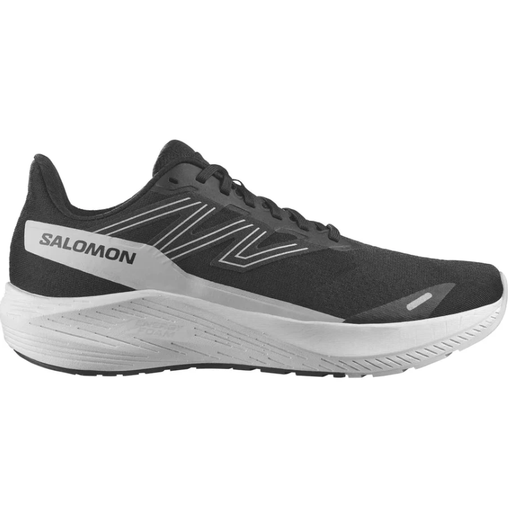
Why This Fits Their Persona: This runner is looking for a reliable shoe for daily training and the occasional race. The combination of lightweight performance and comfort is essential.
This shoe focuses on functional specifications. The Energy Foam midsole provides demonstrably responsive cushioning, while the breathable mesh upper offers a clear functional benefit. No vague marketing, just concrete features.
Lightweight design for speed and agility. The durable outsole offers reliable grip on both paved roads and light trails.
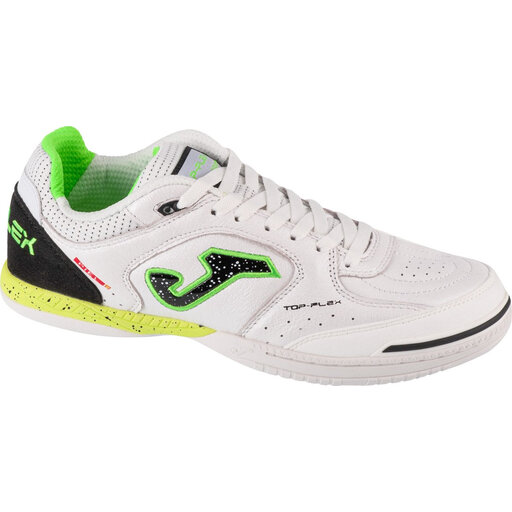
Why This Fits Their Persona: This player (futsal, handball, volleyball) needs a shoe that can withstand intensive indoor use. Grip, ball control, and durability are non-negotiable.
This is the perfect example of a purpose-built shoe. It avoids the "all-in-one" pitfall by being highly specialized. The non-marking rubber sole and robust upper are exactly what's needed for indoor sports.
Excellent grip and flexibility on indoor courts. The durable upper, made of synthetic material and textile, enhances ball control and is wear-resistant.
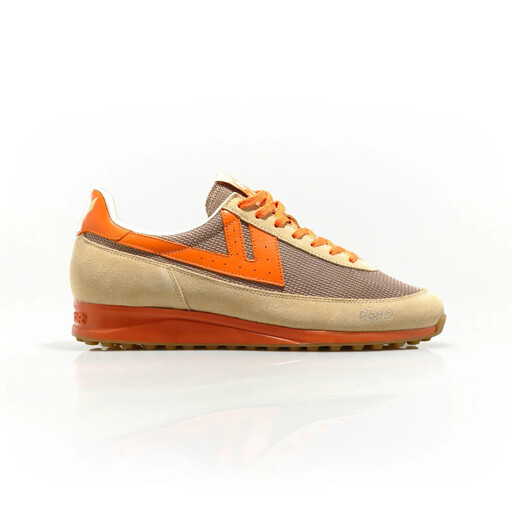
Why This Fits Their Persona: This user is looking for a versatile and stylish shoe for everyday use. Comfort and a modern look are more important than high-tech sports performance. These are the perfect lifestyle shoes.
This shoe avoids the style-over-substance pitfall by combining both. It's honestly positioned as a lifestyle shoe, not a professional athletic shoe. The materials are chosen for comfort and style, not for extreme performance.
Stylish combination of suede, mesh, and leather for a layered look. The studded outsole provides reliable traction for daily urban use.
Whether you're looking for high-performance athletic shoes, comfortable everyday sneakers, or even considering practical slip-ons like those from Crocs, the principles of a good purchase remain the same. Focus on the specifications that matter for your use case.
We have compiled a complete, up-to-date list of products that fully meet these strict selection criteria. From athletic shoes to a comfortable The North Face t-shirt, find what you're looking for here.
Getting the right size is crucial. Measure your foot length: stand on a piece of paper with your heel against a wall and make a mark at your longest toe. Measure the distance and compare it to the manufacturer's size chart, which is often found on the product page. For running shoes, it's often recommended to go half a size to a full size larger to give your feet room to expand while running.
This depends on the type of shoe and the intensity of use. For running shoes, a general guideline is 800 to 1,000 kilometres (about 500-625 miles). Pay close attention to signs like visible wear on the outsole, a midsole that feels compressed or hard, or an upper that is losing its shape. Pain in your feet or knees after exercising can also be a sign that the cushioning and support are worn out.
Yes, you can for short distances, for example, from your house to the start of a trail. However, it's not ideal for long runs on the road. The deep tread of trail running shoes wears down faster on asphalt and can feel less comfortable than the flatter sole of a road shoe. Some brands, like Salomon, offer hybrid models (such as the Ultra Flow) designed for a smooth transition between different surfaces.
