
Vandaag of morgen in huis

Kwaliteit gegarandeerd

Welkomstaanbiedingen ontgrendelen: GRATIS bezorging | Tot 80% korting | Gratis 30 dagen JoyPlus-proefperiode
Download de app
An at-home IPL hair removal device can save you time compared with shaving every day, but not every device suits every skin tone, hair colour or treatment routine. An epilator, women’s shaver or trimmer may be a better choice if you mainly want quick results.
Most costly mistakes come down to three marketing traps:
So always check the instructions, skin tone chart and safety warnings before you order.
IPL hair removal uses broad flashes of light. IPL is not a medical laser and works differently from at-home laser hair removal or professional laser treatment. Brands can describe their own results, but these are not necessarily the same for every user.
An epilator removes hair mechanically using tweezers. It usually leaves skin smooth straight away, but may cause temporary discomfort or redness. A women’s shaver cuts hair at the skin’s surface and is particularly useful for quick touch-ups. A trimmer usually leaves a short length of hair and is handy for the bikini line, eyebrows or face.
Choose according to what you want:
When choosing an IPL device, check the number of intensity settings, the size of the treatment window and whether it has a skin tone sensor. A larger window can make treating your legs and arms quicker. For the face, underarms and bikini line, a smaller attachment or a dedicated setting can be useful.
A corded device, such as some models from Braun and Philips, provides a constant power supply while you use it. A cordless device gives you more freedom to move, but needs to be charged before you start. Also check whether the device is suitable for IPL for face and body; some models are designed for body use only.
An IPL device won’t work after just one session. Brands recommend different schedules. Ulike’s product information says to use the Air 2 several times a week during the initial phase, while Philips and Braun recommend fewer treatments per month in their product information. Always follow the instructions for your model and don’t combine schedules from different brands.
Before using the device all over for the first time, do a skin test on a small area. Your skin should be clean and dry, with no cream, deodorant or oil on it. Don’t use IPL on tattoos, moles, damaged skin or sunburnt skin. Philips also lists restrictions for Lumea models, including pregnancy, breastfeeding and certain medical conditions. If you’re unsure, check the instructions or speak to a doctor.
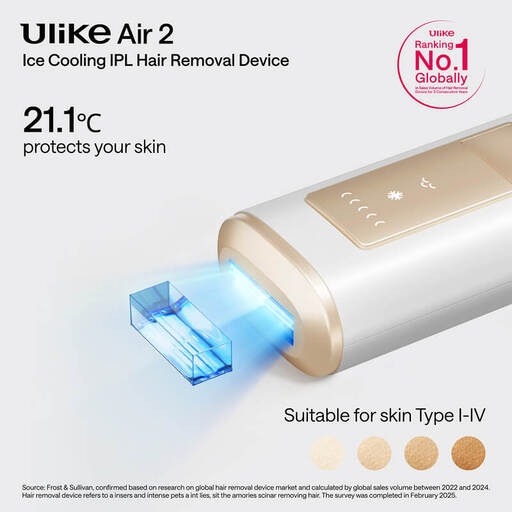
Why it suits this user: This model has five intensity levels and is designed for the face and body. Its built-in cooling may appeal to beginners who value comfort.
The product information lists five settings and treatment without interchangeable attachments. According to Ulike, its Sapphire Ice Cooling technology is designed to make use more comfortable; it does not guarantee pain-free hair removal.
Cooling function, five settings and use on the face and body. The device is corded.
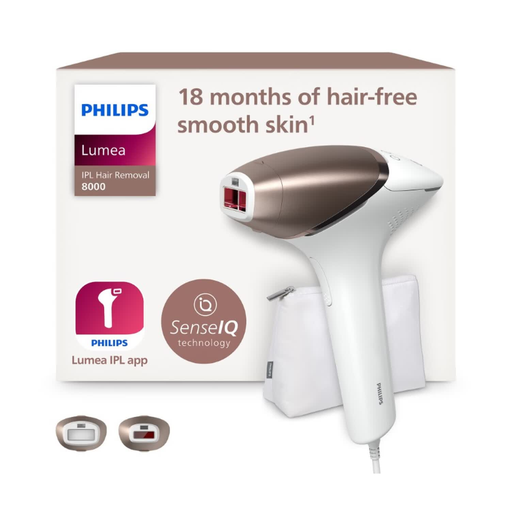
Why it suits this user: The two attachments are designed for the body and face. SenseIQ technology and the Philips Lumea app are ideal if you value guidance and a regular routine.
The product information makes it clear that this is not a laser and that it is not suitable for very dark skin or certain light hair colours. This helps clarify its usage limits.
450,000 flashes, two attachments and corded use. According to independent research cited by Philips, hair reduction was measured after three treatments; results vary from user to user.
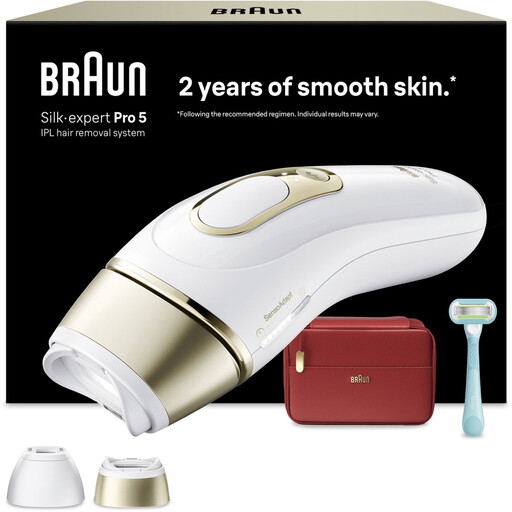
Why it suits this user: This corded model is designed for the body and face, and has a skin tone sensor. It suits users who value a set treatment schedule and a constant power supply.
According to the product information, the sensor adjusts the flash intensity to your skin tone. You should still check the instructions and carry out a skin sensitivity test.
400,000 flashes, three intensity settings and accessories for the face and sensitive areas. The device is not cordless.
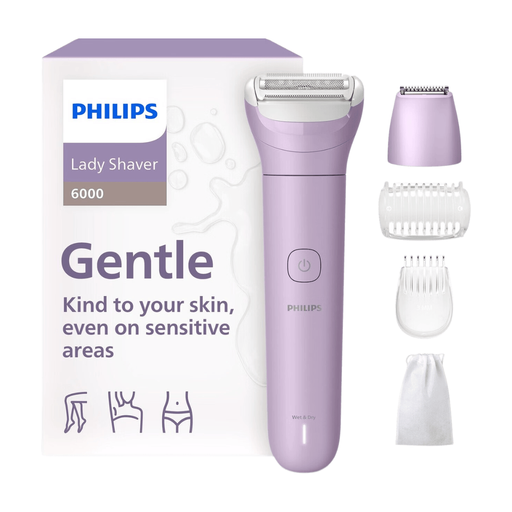
Why it suits this user: If you don’t want to follow an IPL treatment schedule, this women’s shaver lets you touch up straight away. It’s suitable for wet and dry use.
You’re not paying for an IPL promise you don’t need. This device is designed for shaving and touch-ups, not long-term hair reduction.
Three-blade system, up to 80 minutes of battery life and wet and dry use. The manufacturer says it is designed to reduce nicks and cuts.
We’ve put together a complete, up-to-date list of products that meet these strict selection criteria and current European safety regulations.
It varies by model. Brands usually recommend a more intensive initial phase, followed by maintenance treatments. Ulike, Philips and Braun do not use the same schedule. So only follow the schedule in your device’s instructions, and don’t treat an area more often than recommended.
Check the stated number of flashes first. The Philips Lumea BRI945/00, for example, is rated for 450,000 flashes, while the Braun PL5221 is rated for 400,000. How long it lasts in practice depends on the area of the body you treat and the intensity you choose. Keep the device dry, clean the treatment window and check the cord or adapter regularly.
There’s no guarantee of that. The experience varies from person to person, and depends on the area being treated and the intensity level. Cooling, as on the Ulike Air 2, may help reduce the sensation of heat, according to the product description. An epilator may pull more, while a women’s shaver usually works straight away without flashes of light. Always start on a low setting and follow the safety instructions.
