
Vandaag of morgen in huis

Kwaliteit gegarandeerd

Welkomstaanbiedingen ontgrendelen: GRATIS bezorging | Tot 80% korting | Gratis 30 dagen JoyPlus-proefperiode
Download de app
Asian soft drinks come in a wide range of varieties, from Japanese ramune in a marble-sealed bottle to fruit drinks with lychee, mango or nata de coco. The extensive choice makes comparing products enjoyable, but it can also be tricky. Eye-catching packaging does not always tell you much about the flavour, ingredients or quantity you will receive.
As a Joybuy Product Recommendation Officer, I filter product information based on practical details. This helps you quickly find the Japanese soft drink, fizzy drink or exotic fruit drink that suits your occasion: an anime night, barbecue, meal or party.
Ramune is instantly recognisable by its glass bottle with a marble stopper. This makes opening it part of the experience, but the drink itself is usually still a carbonated soft drink containing sugar, acidity regulators and flavouring. So don’t just look at the design – check the ingredients and nutritional information too.
In some products, the fruit flavour comes from flavouring, while other drinks contain fruit purée or fruit juice. Mango flavouring and mango purée do not necessarily create the same taste experience.
Many Asian fruit drinks contain water, sugar, acidity regulators and a limited amount of fruit purée or juice. Sagiko Mango Juice, for example, lists mango purée alongside sugar, fructose, water and flavourings. Sagiko Lychee Drink contains lychee fruit purée, but also sugar and thickening agents.
So always check:
A nata de coco drink contains soft, jelly-like pieces made from coconut water. This gives it a different texture from ordinary soft drinks or squash. Not everyone enjoys pieces in their drink, particularly if you want to drink quickly or take the bottle with you.
For a party, nata de coco can be an interesting and playful addition. However, check the packaging and ingredients if you need to take possible traces of coconut or other statements into account.
If you are looking for a fizzy drink, look out for terms such as ‘carbonated’, ‘soda’ or ‘ramune’. Japanese ramune often has a sweet, refreshing flavour and a capacity of around 200 ml. Examples include lychee, melon, strawberry and mango varieties.
A fruit drink such as Sagiko or KATO is generally still. Mogu Mogu and some KATO varieties also contain nata de coco. So first decide what kind of drinking experience you want:
A 200 ml bottle is convenient for one person, for example with a snack, lunch or anime party. Bottles of 300 or 320 ml offer more drink for enjoying at home or with a meal. Multipacks, such as Mogu Mogu 6 x 320 ml, are more practical when you are serving several guests or planning for multiple occasions.
When shopping online, also check the total quantity. Six 320 ml bottles contain more drink than one 300 ml bottle, but they also take up more storage space.
For many of the selected drinks, the product information does not list any of the 14 major EU allergens. However, ingredients and packaging may change. The labelling on the physical packaging should therefore always be treated as the definitive source.
Store Asian soft drinks in a cool, dry place away from direct sunlight. Once opened, the bottle should generally be refrigerated and consumed within the period stated on the packaging. Before drinking, check that the cap or seal is intact. This is particularly important for glass bottles and products with a marble stopper.
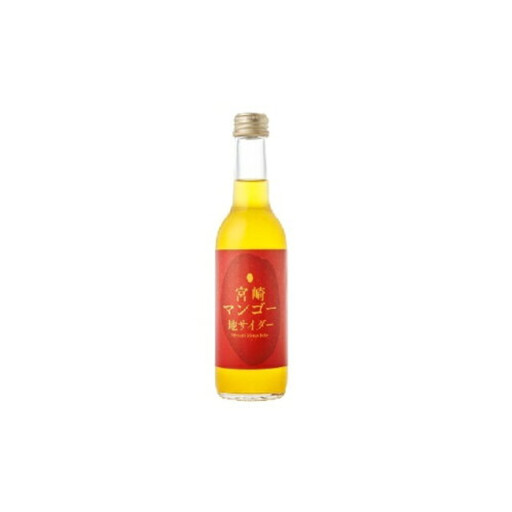
Why it suits this profile: This 245 ml mango soft drink is a straightforward choice for anyone who wants to try a fruity flavour without buying a multipack straight away. According to the product description, it contains 0% alcohol.
The product information lists mango juice and honey alongside sweeteners and flavouring. This means you can compare the ingredients more easily in advance instead of relying on the name alone.
245 ml capacity, mango juice listed in the ingredients and, according to the product information, none of the 14 major EU allergens.
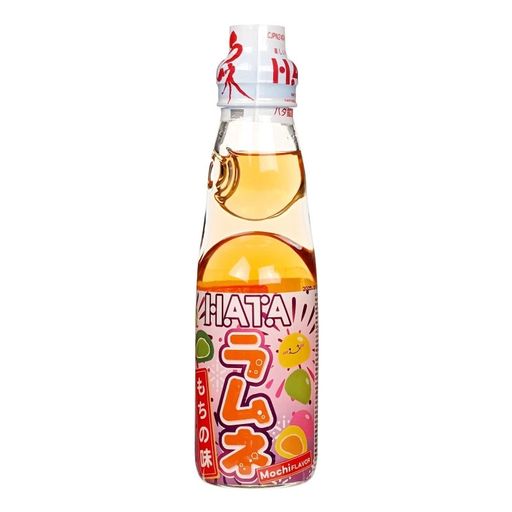
Why it suits this profile: Fans of Japanese culture get the classic ramune experience here, complete with a glass bottle and marble stopper. The bottle is ideal for collecting, anime nights and small parties.
The product description clearly states the bottle type, capacity and ingredients: carbonated water, sugar, flavouring and citric acid. So you know what you are buying beyond its appearance.
200 ml per bottle, a distinctive marble stopper and approximately 40 kcal per 100 ml according to the nutritional information provided.
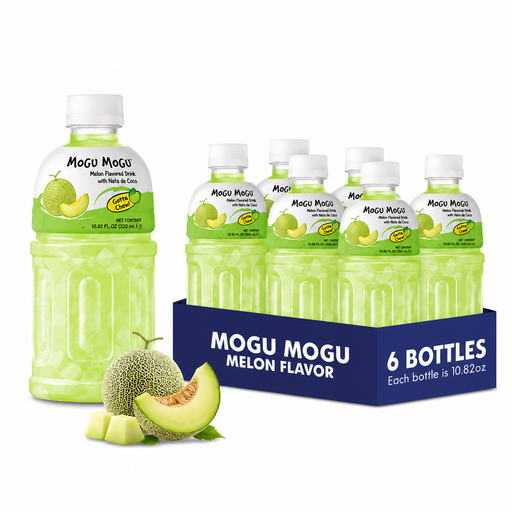
Why it suits this profile: This multipack is practical for birthdays, film nights, sharing or keeping a supply at home. The melon flavour is combined with nata de coco for a distinctly different texture.
The capacity and texture are clear from the outset: six 320 ml bottles containing nata de coco. This makes the pack suitable for sharing, while ensuring it is not unexpectedly an ordinary soft drink.
6 x 320 ml, melon flavour and 15% nata de coco according to the product description. Serving chilled is recommended.
We have put together a complete, up-to-date list of products that fully meet these strict selection criteria and the applicable European safety regulations.
Ramune is a Japanese carbonated soft drink in a distinctive bottle sealed with a glass marble. The drink is available in flavours such as lychee, strawberry, mango and melon. Open the bottle on a stable surface and follow the instructions on the packaging. Be mindful of the marble in the bottle, particularly around young children.
Small ramune bottles are ideal for a party when you want guests to try different flavours. A multipack with nata de coco, such as Mogu Mogu, is more suitable if you want to serve several identical portions. Have the drinks chilled and ready to serve, and check beforehand that all bottles are undamaged.
Once opened, a fruit drink or fizzy drink should generally be refrigerated and consumed within the period stated on the packaging. The exact shelf life varies by product. So check the label and seal the bottle securely. With nata de coco, refrigeration after opening is particularly important because of the pieces and the specific composition.
