
Vandaag of morgen in huis

Kwaliteit gegarandeerd

Welkomstaanbiedingen ontgrendelen: GRATIS bezorging | Tot 80% korting | Gratis 30 dagen JoyPlus-proefperiode
Download de app
A bottle of Asian sauce can add plenty of flavour to a quick meal, but the range varies considerably. Soy sauce, oyster sauce, fish sauce, hoisin sauce and chilli sauce all serve different purposes. If you focus only on attractive packaging or a low price, you may end up buying a large bottle that does not suit the way you cook.
The three most common pitfalls are:
By checking the ingredients, packaging and intended use carefully, you can make a more informed choice when buying Asian sauces for home or professional use.
Not every sauce can be used interchangeably. Use this guide as a practical starting point:
Check the label for soya, wheat, gluten, fish, molluscs, egg, mustard and sesame. A sauce may be described as vegetarian, for example, while still containing soya and wheat. Oyster sauce often contains molluscs; fish sauce contains fish.
Product information may vary between packaging or markets. For this reason, use the ingredients list on the bottle you receive as the definitive source. If the online description conflicts with the label, it is advisable to contact customer services or the manufacturer.
Soy sauce and fish sauce often contain relatively high levels of salt. The nutritional information provided, for example, lists 16.9 grams of salt per 100 ml for Kikkoman Soy Sauce, while Thanh Ha Fish Sauce lists 23.3 grams of salt per 100 ml. This does not mean you need to avoid these products, but it does mean that a small amount is usually sufficient.
Sweet sauces can also vary considerably. Healthy Boy Thai Sweet Soy Sauce lists 56 grams of sugar per 100 grams. For sweet and sour sauce, Lee Kum Kee lists 31 grams of sugar per 100 grams. Use products like these selectively as a glaze, dip or ingredient in a sauce recipe.
Smaller packs of around 240 to 310 ml are useful if you want to try a sauce first. Sizes from 500 ml to almost 1 litre are better suited to daily cooking, larger households or professional use.
Pay attention to the instructions after opening. Some products need to be refrigerated, while others mainly need to be kept tightly sealed and stored in a dry place. Also check the use-by information on the packaging. Do not use a bottle if its seal or packaging is damaged.
The selection below is based on contents, listed ingredients, nutritional values, pack size and intended use. The product descriptions are not a guarantee of a particular taste experience; flavour will still depend on the recipe, quantity used and personal preference.
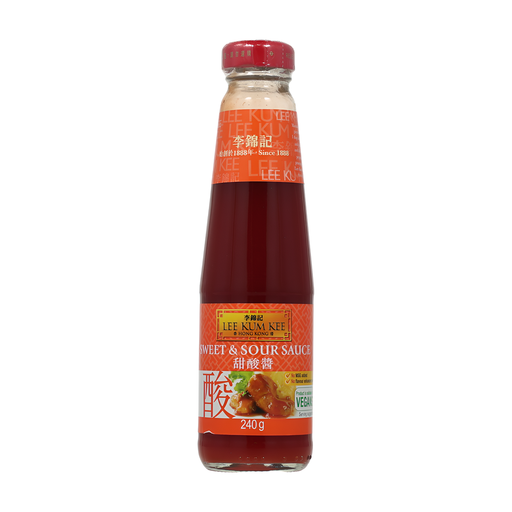
Why it suits this profile: The compact pack size and ready-to-use formula make this sweet and sour sauce suitable for anyone who wants to start cooking Asian food without much preparation.
The smaller size reduces the risk of waste. According to the product information, the sauce is ready to use for cooking, dipping and glazing.
240 grams; ready to use; lists 15% tomato purée and 3% pineapple juice concentrate.
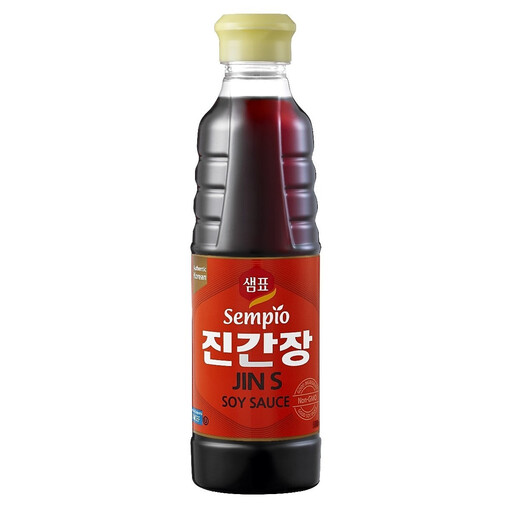
Why it suits this profile: This Korean soy sauce provides a versatile base for marinades, stir-fries and dips, without requiring you to commit to a large bulk size.
The label clearly states the ingredients and nutritional values. The listed salt content is 13.45 grams per 100 ml, so careful portioning remains important.
500 ml; suitable for marinating, stir-frying and dipping; the product information refers to Korean fermented sauces.
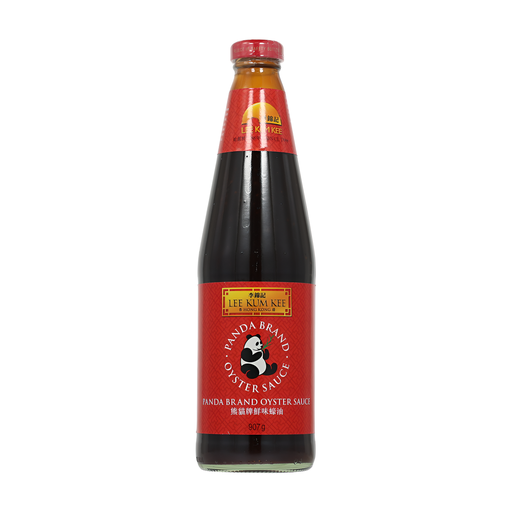
Why it suits this profile: The large size is well suited to daily stir-frying, meal preparation or use in a professional kitchen.
It is versatile: suitable for stir-frying, marinating and dipping. However, check whether it contains soya, wheat and preservatives.
907 grams; according to the product information, contains oyster extract; intended for use during or towards the end of cooking.
We have put together a complete, up-to-date list of products that fully meet these strict selection criteria and the applicable European safety regulations.
Start with a small amount and taste as you cook. For stir-fries, add the sauce once the vegetables or proteins have usually been seared. This allows the sauce to blend with the moisture from the ingredients. For marinades, you can combine soy sauce with acid, oil, garlic or ginger. Use dark soy sauce sparingly when colour is the main aim.
Store opened bottles according to the label. Do not automatically refrigerate oyster sauce, fish sauce or soy sauce without checking the packaging. A clean dispensing cap and a tightly sealed bottle help to reduce spills and contamination.
Light soy sauce is a practical choice for everyday seasoning, stir-frying and marinades. Dark soy sauce is more often used to add colour and a deeper flavour, for example in braised dishes. Check the ingredients and salt content for each brand.
This varies by product. Check the storage instructions, use-by date and any information about the recommended period after opening. Oyster sauce and some sweet and sour sauces need to be refrigerated after opening; other products mainly need to be tightly sealed and stored in a dry place.
Soy sauce, hoisin sauce and some mushroom sauces may be suitable, but always check the label. Oyster sauce and fish sauce are not vegetarian. Also look out for soya, wheat, gluten and other allergens.
