
Vandaag of morgen in huis

Kwaliteit gegarandeerd

Welkomstaanbiedingen ontgrendelen: GRATIS bezorging | Tot 80% korting | Gratis 30 dagen JoyPlus-proefperiode
Download de app
A bottle of Asian sauce can add plenty of flavour to a quick stir-fry. However, the selection on Dutch online shops is extensive, from Chinese and Thai sauces to Vietnamese chilli sauce, sambal and Indonesian sweet soy sauce. The differences are not just down to the country of origin, but also the ingredients, salt content, sweetness, spiciness and intended use.
As a Joybuy Product Recommendation Officer, I focus primarily on verifiable product information. This helps prevent attractive packaging or a general claim about “authentic flavour” from becoming the deciding factor when the sauce may not suit your cooking style.
Hoisin sauce, oyster sauce, chilli sauce and black bean sauce each have a different flavour profile. Hoisin sauce is generally thick, sweet and savoury. Oyster sauce mainly adds umami and saltiness. Black bean sauce has a fermented, intense flavour. Confusing these products can quickly make a dish too sweet, too salty or too heavy.
Sauces are often used in small quantities, but some varieties contain high levels of sugar or salt per 100 grams. For example, the Lee Kum Kee Panda Oyster Sauce 255g lists 29.5 grams of salt per 100 grams. According to the product information, Char Siu Sauce 397g contains 54 grams of sugar per 100 grams. This makes them suitable as flavour enhancers or marinades, but it is still important to use them sparingly.
Many Chinese sauces contain soya and wheat, and may therefore contain gluten. Sesame is also a common ingredient. Oyster sauce additionally contains molluscs. Always check the current packaging, particularly if you have an allergy or intolerance. Product information on a webpage may change; the label is the definitive source.
First, look at the main base:
Pay attention to the order of the ingredients. Those listed first are generally present in the greatest quantities. This helps you assess in advance whether a sauce is likely to be sweet, salty, spicy or savoury.
Not every sauce is equally versatile. A ready-to-use dipping sauce such as sweet chilli sauce can be served straight away. A marinade sauce or stir-fry sauce may be more concentrated and may need to be diluted with water, oil or other ingredients.
Also check whether the sauce should be added during cooking. High heat can cause sauces rich in sugar to stick or burn. A glaze, such as char siu sauce or spare-rib sauce, is therefore best added towards the end of baking or grilling.
Compare the quantity with how you plan to use it. A bottle containing 300 to 400 grams is suitable for occasional use. For a large household or frequent stir-fries, a 575-gram or 907-gram pack may be more practical. Many Asian sauces need to be refrigerated after opening. Check the instructions for each product and do not use damaged packaging.
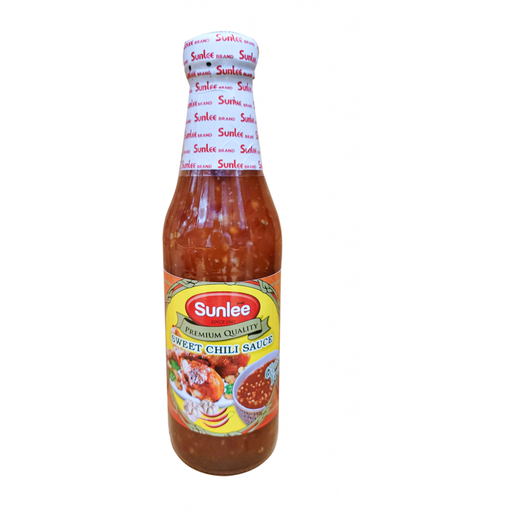
Why it suits this profile: An accessible choice for anyone looking for one versatile sauce for snacks, spring rolls, marinades, salad dressings and stir-fries.
The product information lists a clear base of sugar, water, red chilli, vinegar and garlic. This makes it reasonably easy to predict the flavour profile in advance.
300 ml capacity, ready to use as a dipping sauce and, according to the product description, free from the 14 main EU allergens.
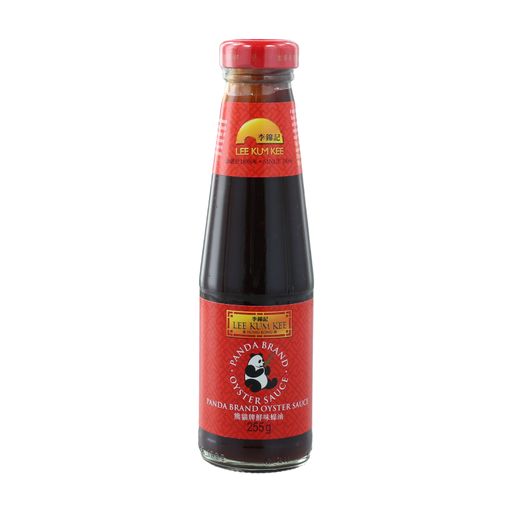
Why it suits this profile: Suitable for home cooks looking for a familiar Chinese flavour base for wok dishes, marinades and homemade dips.
The quantitative ingredient declaration lists 3% oyster extract. Molluscs and wheat are also clearly identified as allergens.
255 grams, suitable for marinating, stir-frying and dipping; refrigerate after opening.
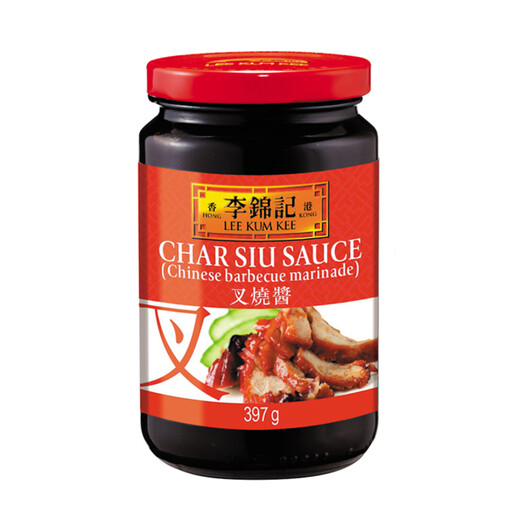
Why it suits this profile: Handy for anyone who regularly marinates meat, chicken or spare ribs and wants a ready-made glaze for the oven, air fryer, grill or frying pan.
The instructions provide a specific ratio: 70–100 grams of sauce for 500 grams of pork. This makes it easier to measure when preparing a marinade.
397 grams, suitable as both a marinade and glaze; contains soya and wheat and must be refrigerated after opening.
We have compiled a complete, up-to-date list of products that fully meet these strict selection criteria and the applicable European safety regulations.
Sweet chilli sauce is generally easy to use as a dipping sauce, glaze or addition to a stir-fry. If you prefer savoury Chinese sauces, oyster sauce is a good place to start. Do keep an eye on the salt content and allergens.
This varies by product. Many sauces need to be refrigerated after opening. Check the label for storage instructions and shelf life. Always use clean spoons and seal the bottle or jar securely.
Hoisin sauce is generally thick, sweet and savoury, and is widely used in Chinese dishes. Peking duck sauce, also known as sweet bean sauce, is often served with roast duck and pancakes. The exact ingredients vary by brand, so check the ingredients and nutritional values.
