
Vandaag of morgen in huis

Kwaliteit gegarandeerd

Welkomstaanbiedingen ontgrendelen: GRATIS bezorging | Tot 80% korting | Gratis 30 dagen JoyPlus-proefperiode
Download de app
A bottle of Asian sauce often seems like a simple purchase. Yet sauces can vary considerably in flavour, ingredients, uses and shelf life. Fish sauce cannot simply be replaced with soy sauce, while a sweet teriyaki sauce works differently from a salty oyster sauce. If you only look at an eye-catching label or a low price, you could end up with a bottle that barely suits the dish you had in mind.
This buying guide helps you compare Asian sauces using verifiable product information. That way, you can make a more informed choice for stir-fries, marinades, barbecues, sushi, salads or dipping.
A product labelled “seafood sauce” may be suitable as a marinade, glaze or dip, while a similar sauce may be intended mainly for cooking. Always check the usage instructions. A thick sauce such as hoisin sauce or tonkatsu sauce stays on meat, tofu or fried dishes more effectively. A thinner soy sauce or fish sauce is more suitable as a flavouring in a dressing, stock or stir-fry sauce.
Many Asian sauces contain sugar, salt or both. That is not automatically a problem, but it does affect how much you need and how the dish turns out. For example, the Lee Kum Kee Panda Oyster Sauce 907 g mentioned above contains 9.1 g of salt per 100 g, according to the product information. Thanh Ha Fish Sauce lists 23.3 g of salt per 100 g. Use products like these as flavourings and only add extra salt later, if needed.
Fish sauce contains fish, and oyster sauce may contain oyster extract. A Thai dressing may also contain fish sauce, as stated for the Sunlee Thai Spicy Salad Dressing. Vegetarians and vegans can choose alternatives made with ingredients such as mushrooms, but always check the current packaging. Also look out for soya, wheat, gluten, peanuts, sesame, egg and mustard.
A marinade can caramelise more quickly because of its sugar content. So do not always add a sweet sauce at the start when cooking at a high temperature. For stir-fries, it is often better to add the sauce at the end.
Ingredients are listed in descending order by quantity. According to the product information, Maeboonlam Fermented Fish Sauce consists of 93% fermented fish sauce. Squid Fish Sauce lists 77% anchovies. This gives you a practical indication of the sauce’s character, but it does not by itself determine how you will experience the flavour.
Check the following before buying:
According to Amoy’s own product information, Japanese Teriyaki Sauce contains no added preservatives and is suitable for vegetarians. To be safe, always check the label on the packaging you receive, as product formulations can change.
A 907 g bottle may offer good value for a large household, restaurant or keen home cook, but it may be less practical if you only stir-fry occasionally. Smaller packs are more convenient when you want to try different flavours.
Store sauces according to the label. Many products need to be refrigerated after opening. For example, Songxianxian Matsutake Cold-Used Sauce states that it should be stored in the fridge at 0–4 °C after opening. Close the cap properly, keep the bottle opening clean and do not use a product if the packaging is damaged.
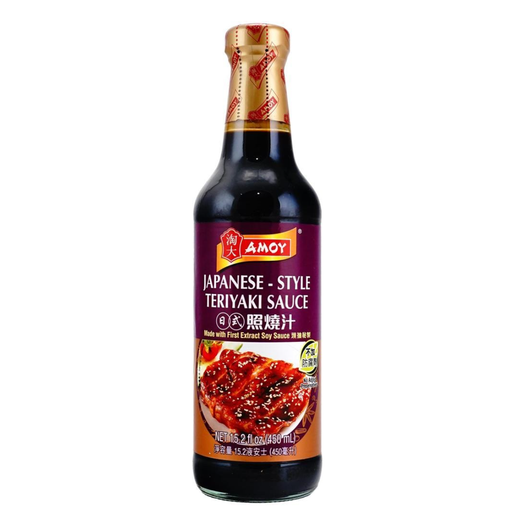
Why it suits this profile: A medium-sized bottle for anyone wanting to start with one Japanese sauce. Use it as a stir-fry sauce, marinade, glaze or dip.
The possible uses are clearly described. However, check the listed allergens: soya and wheat.
450 ml contents; sweet-and-savoury flavour; suitable for vegetarians according to the product information.
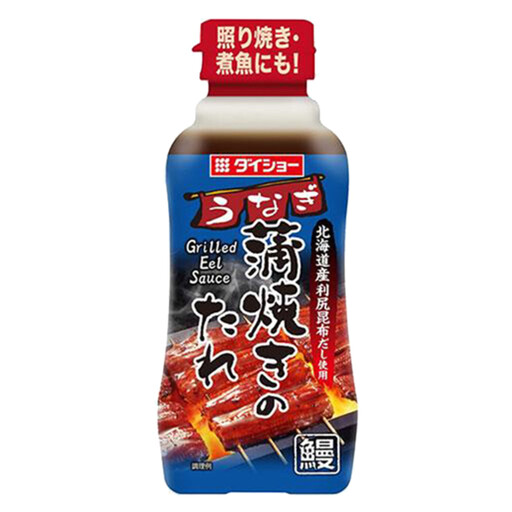
Why it suits this profile: For anyone looking for a specific Japanese sauce for grilled fish, sushi, rice dishes and barbecues.
The product description mentions specific uses such as brushing, drizzling, marinating and dipping.
240 g contents; thick, glossy texture according to the product information; contains soya and wheat.
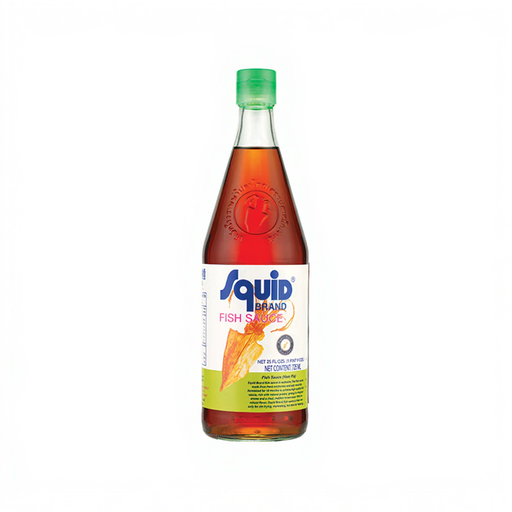
Why it suits this profile: The large bottle is ideal for frequent preparation of Thai, Vietnamese and other South-East Asian dishes.
The label states 77% anchovies, making it clear that this is a concentrated fish-based flavouring.
725 ml contents; suitable for stir-fries, marinades, soups and dips; contains fish.
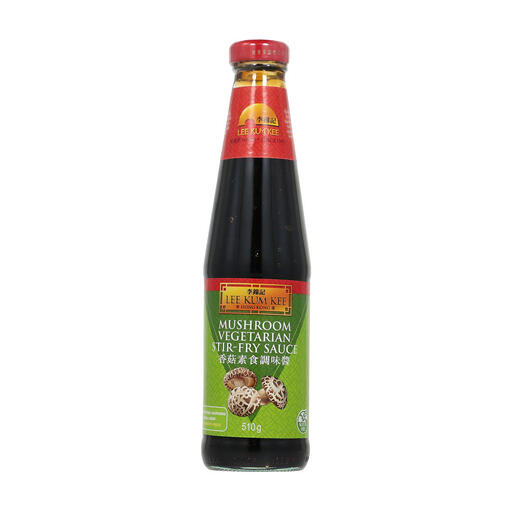
Why it suits this profile: A mushroom-based sauce for stir-fried vegetables, tofu, noodles, stews and dipping.
The product information states that it is suitable for vegetarian and vegan use. However, check for soya and wheat allergens.
510 g contents; mushrooms as the flavour base; suitable for stir-frying, stewing and dipping.
We have put together a complete, up-to-date list of products that fully meet these strict selection criteria and the applicable European safety regulations.
That depends on the flavour you want. Oyster sauce and Chinese stir-fry sauce add a savoury umami flavour. Teriyaki sauce brings more sweetness, while soy sauce is mainly salty and savoury. Start with a small amount and add garlic, ginger, lime or chilli if desired.
This varies from product to product. Check the storage instructions and the date on the packaging. Sauces that need to be refrigerated after opening should go straight into the fridge. An unusual smell, discolouration, mould or swollen packaging are all reasons not to use the product.
For example, choose a mushroom-based vegetarian stir-fry sauce, or check whether the ingredients in a teriyaki sauce fit your diet. Fish sauce, oyster sauce and some Thai dressings are not vegetarian. Also check for soya, wheat, gluten and other allergens before ordering.
