
Vandaag of morgen in huis

Kwaliteit gegarandeerd

Welkomstaanbiedingen ontgrendelen: GRATIS bezorging | Tot 80% korting | Gratis 30 dagen JoyPlus-proefperiode
Download de app
A packet of Asian noodles often looks simple enough to choose. Yet disappointing purchases usually come down to three recurring pitfalls: the noodles do not suit the dish, the preparation time is misjudged, or important information about ingredients and serving size is overlooked.
Thin rice noodles behave differently from firm wheat noodles. Japanese udon noodles require different preparation from rice vermicelli. And a large pack is only economical if you use the noodles within the stated storage period. Use the points below to compare Chinese noodles, Korean noodles and other varieties in a practical way.
Thin noodles absorb moisture and sauce quickly. This is useful for Vietnamese salads, light broths and spring rolls, but less suitable for prolonged stir-frying. Thick noodles, such as udon, generally retain more substance in a stir-fry and offer more bite.
So do not only look at the origin stated on the packaging. Pay particular attention to:
Some stir-fry noodles need to be boiled or soaked first. Others, such as certain shirataki noodles, are ready to use after rinsing and heating, according to the product information. Instant noodles may contain several sachets of seasoning, oil or sauce, so check the preparation instructions and salt content per serving.
Always follow the instructions on the packaging. Product information on an online shop may differ from the current label.
A 1.8 or 2-kilogram bag is useful for a large household, catering or regular use. For someone who only cooks noodles occasionally, portion packs may be more convenient. Once opened, dry noodles should be sealed properly and stored in a cool, dry place away from direct sunlight. Also check that the packaging is undamaged.
Wheat noodles usually contain gluten. This applies, for example, to many Chinese noodles, hand-pulled noodles, udon and Korean noodles. Check the ingredients list if you need to avoid allergens. A product containing buckwheat is not automatically gluten-free: some buckwheat noodles also contain wheat flour.
Rice vermicelli is generally made from rice and water, sometimes with added tapioca. For example, Bamboo Tree Fresh Rice Vermicelli Bun Tuoi 400 g lists rice, tapioca and water as its ingredients. According to the supplied product information, this variety contains none of the 14 major EU allergens. Always check the current label before use.
Shirataki noodles are made from konjac. According to the product information, City Aroma Shirataki Fine Noodles consist of water, konjac flour and calcium hydroxide. They are thin, translucent and neutral in flavour. The description states that they are naturally gluten-free and vegan; always check this on the packaging of the batch you purchase.
Cooking time is a useful point of comparison:
For stir-fry noodles, it is advisable to cook them until slightly firm before adding them to the wok with vegetables, tofu, meat or sauce. For noodles used in soups and stir-fries, the amount of moisture they absorb can have a decisive effect on the final result.
Compare the net weight with your usual consumption. A 200 to 400-gram pack is suitable for trying out different varieties. For a family or regular cooking, Chunsi Shanghai Spring Noodles 2 kg, Toyoung Beijing Style Noodles 2 kg or Wheatsun Lanzhou Hand-Pulled Noodles 1.82 kg may be more practical.
Pay extra attention to the best-before date and storage instructions for fresh or soft noodles. When buying Japanese udon noodles, for example, check whether they come as individually wrapped portions, a multipack or a large box.
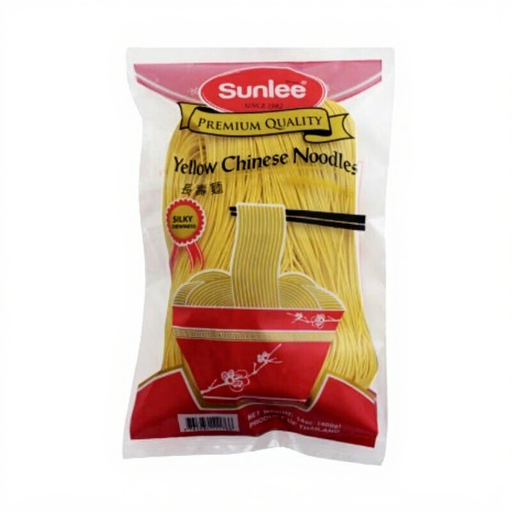
Why this suits the profile: Clear packaging information and a preparation time of 2 to 4 minutes make these wheat noodles suitable for anyone starting to make stir-fries or soup at home.
The product information clearly states the cooking time and recommends using the noodles in soup or stir-fries. This makes your choice less dependent on marketing terminology.
400 g pack; ingredients are wheat flour, water, salt and turmeric; suitable for boiling and stir-frying.
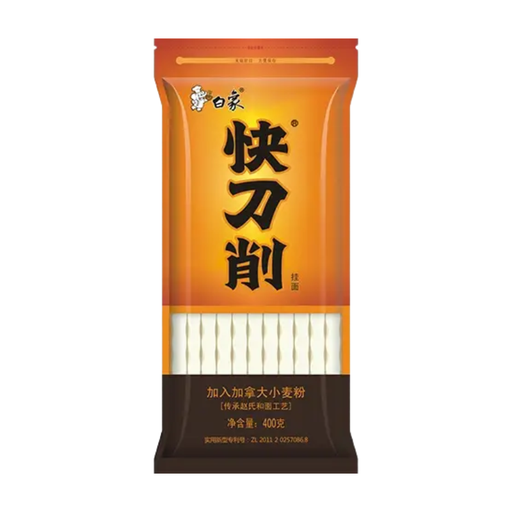
Why this suits the profile: This option is aimed at cooking enthusiasts who care about shape and texture, rather than simply choosing the lowest price.
The product description specifies a broad 8 mm shape, thicker in the middle and thinner at the edges. This makes it easier to choose a firm noodle with confidence.
400 g pack; 5 to 7 minutes’ cooking time; made with wheat flour, wheat gluten, starch, salt and konjac flour.
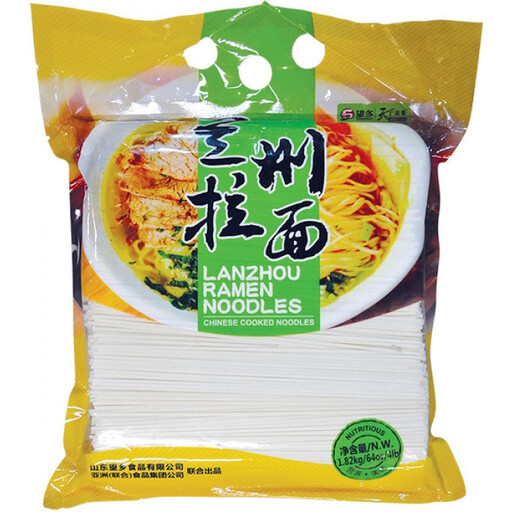
Why this suits the profile: The large pack is practical for regular noodle eaters, families, meal preppers and fans of Chinese noodle soup.
The net weight is clearly stated. This allows you to compare the large bulk pack with smaller bags without looking only at the price per item.
1.82 kg; ingredients according to the product information: wheat flour, water and salt; suitable for soup and other preparations.
We have put together a complete, up-to-date list of products that fully meet these strict selection criteria and the applicable European safety regulations.
Wide wheat noodles, Chinese stir-fry noodles and udon are practical choices. Boil or soak them according to the label, then add them to the hot wok. Rice vermicelli can also work, but usually requires a shorter preparation time.
Use plenty of water, stir while cooking and briefly rinse noodles intended for a salad or stir-fry when the packaging recommends it. Then drain them thoroughly. Overcooking makes thin noodles turn soft more quickly.
This varies by product type. Store dry noodles in a cool, dry and airtight place. For fresh, soft or ready-to-eat noodles, follow the packaging and storage instructions carefully. Do not use a product if the packaging is damaged or its smell and texture have clearly changed.
