
Vandaag of morgen in huis

Kwaliteit gegarandeerd

Welkomstaanbiedingen ontgrendelen: GRATIS bezorging | Tot 80% korting | Gratis 30 dagen JoyPlus-proefperiode
Download de app
Asian instant noodles are quick to prepare, easy to store and available in a wide range of flavours. Even so, choosing the right product is not always as straightforward as it seems. A pack may look large, while containing just one portion. Terms such as “extra spicy”, “creamy” or “authentic flavour” also do not always tell you what the product will actually be like.
This buying guide compares size, preparation, flavour profile, ingredients and convenience. That makes it easier to choose between Korean instant noodles, Indomie noodles, Japanese cup noodles and Thai cup noodles. If you enjoy creating your own noodle meals, you will also find useful points to consider when choosing a hotpot pan or electric hotpot.
A cup, packet or large bowl does not automatically represent a complete meal. Always check the net weight and the number of servings. A 67 to 80 g cup is generally intended for one quick meal. A 105 g pack may be more filling, but it often still contains just one portion.
Also pay attention to multi-pack offers. A pack containing 40 sachets may seem like good value, but it is particularly practical if you already know you like the flavour and can use the products before their best-before date.
Samyang Buldak noodles and other spicy ramen are popular for their intense chilli flavour. However, the level of heat varies between versions. According to the product description, a creamy cheese or rose variant may offer a milder flavour impression than a classic spicy chicken version, but it is still seasoned.
If you are less accustomed to chilli, you can start with a smaller cup or use only part of the sauce. You could also add egg, tofu, spring onion or vegetables. This changes the texture and makes the meal more substantial, without necessarily needing to buy a different type of noodle.
The front often shows the flavour, but not all the information that matters for your choice. Check the allergens, preparation method, nutritional information and country of origin. Wheat, soya, milk, sesame and celery, as well as possible traces of fish or shellfish, are regularly found in this product category.
The packaging you receive is the definitive source of information. Product details can change, and an online description cannot always replace every detail on the label.
There are three practical formats:
Check whether the noodles need to be drained. With some Samyang varieties, you add the sauce only after draining. Other products are prepared as soup noodles instead.
Indomie noodles are often known for their savoury chicken or Mi Goreng-style flavour. The available varieties may contain herbs and spices, chilli, onion, garlic, ginger and flavour enhancers. Oyakata Cup Noodles Chicken Teriyaki is a Japanese cup variety with teriyaki sauce, chicken and dried vegetables. According to the product description, it takes approximately three minutes to prepare.
MAMA Chicken Cup Noodles are Thai cup noodles that, according to the instructions, are prepared with boiling water in three to five minutes. The ingredients list includes wheat and soya, among other ingredients. If you have allergies, always check the current packaging.
For homemade chicken noodles or a shared hotpot, three points are particularly important:
With an electric hotpot, the power rating, capacity, temperature settings and cleaning instructions are all relevant. A model with 1000 watts and two heat settings may be suitable for noodles, soup and simple one-pot meals. Also check whether the cord is detachable and whether the inner pot must not be immersed in water.
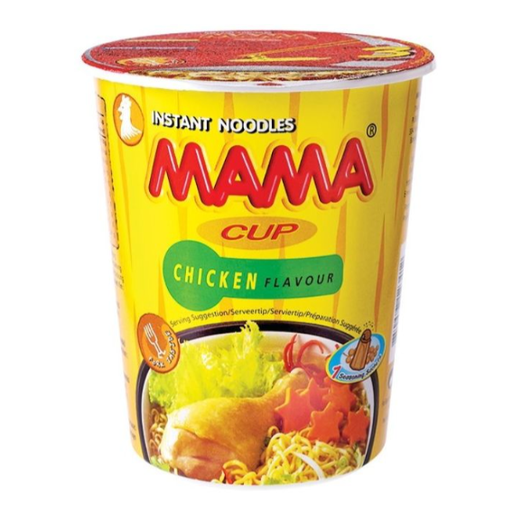
Why it suits this profile: The cup format is practical for trying Thai instant noodles for the first time. You do not need a pan, and according to the product description, preparation takes 3 to 5 minutes.
The 70 g net weight and preparation steps are clearly stated. This tells you in advance that it is a compact portion.
Cup format, 3 to 5-minute preparation time and production in Thailand according to the product information.
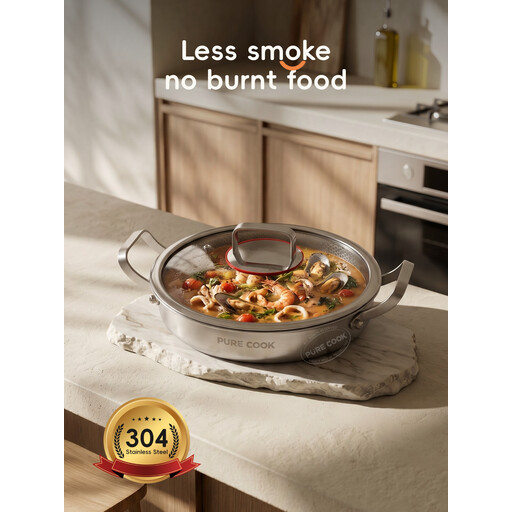
Why it suits this profile: This model is designed for a range of cooking methods and shared meals. The pan has a diameter of 26 cm and, according to the product specifications, is suitable for 3 to 6 people.
Heat-source compatibility is specified for gas, induction and electric ceramic hobs. Even so, check this against your own hob.
304 stainless steel, glass lid, double handles and a honeycomb structure according to the product description.
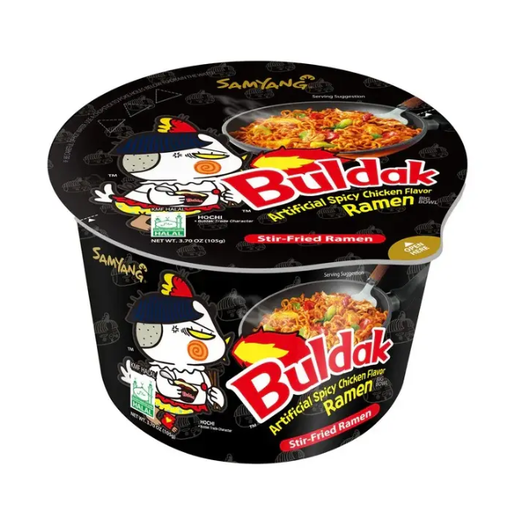
Why it suits this profile: The large bowl format and 105 g weight are well suited to fans of Korean instant noodles looking for a distinctly spicy chicken variety.
The product information specifies the format, sauce preparation and presence of wheat, soya, egg, milk and chicken. This makes comparison easier.
105 g per bowl, chewy noodles and a sauce with a spicy chicken soup flavour according to the product description.
We have put together a complete, up-to-date list of products that fully meet these strict selection criteria and the applicable European safety regulations.
Remove the lid according to the instructions, add the seasoning and pour in boiling water up to the indicated mark. Close the cup and wait for the specified time. Do not put a cup in the microwave unless the packaging explicitly says that it is microwave-safe. For MAMA Chicken Cup Noodles, the recommended time is three to five minutes; for some Japanese cup noodles, it is approximately three minutes.
Check the best-before date on the outer packaging and on individual packets. Store noodles in a cool, dry place away from direct sunlight. Once opened, prepare the product straight away where possible. Do not use a product if the packaging is damaged, swollen or open.
That depends on the power rating, cooking time and your electricity tariff. A 1000-watt electric hotpot theoretically uses a maximum of 1 kWh in one hour, but when regulating the temperature it does not always operate continuously at full power. So compare the capacity and length of use in particular. For one person, a compact electric cooking pot can be convenient; for several people, a pan on an existing induction or gas hob may sometimes be more practical.
