
Same-day & Next-day Delivery

Quality Guaranteed

Unlock Your Welcome Offers: FREE Delivery | Up to 80% OFF | Free 30-day JoyPlus trial
Download the APP
Anyone buying Asian frozen foods usually wants to get something on the table quickly without compromising on flavour or choice. The range includes Asian snacks, Chinese dim sum, gyoza, wontons, siu mai, onigiri, tteokbokki, Japanese snacks, Korean snacks, frozen chicken and frozen seafood.
However, an attractive product photo does not tell you everything. The preparation method, pack size and allergen information often determine whether a product is genuinely suitable for your household.
A product may be quick to prepare, but the required method can vary considerably. Some dumplings need to be steamed, while others are better suited to a frying pan or deep fryer. A snack that only works well in a deep fryer is less practical if you usually use an oven or air fryer.
Also check the difference between defrosting before use and cooking straight from frozen. Gyoza and various types of Chinese dim sum can often be cooked from frozen. Onigiri and certain seafood products, however, need to be defrosted first according to the product information.
A 1- or 2-kilo pack may seem good value, but it is mainly useful if you regularly prepare snacks or meals for several people. For a one-person household, portions of 100 to 300 grams may be more practical. Check whether the contents are individually packed and how the product should be stored once opened.
Names can refer to a style or flavour. Fresh ASIA Snow Crab Legs, for example, are made from fish surimi with crab extract, so they are not whole crab legs. Always check the ingredients list and allergen information. Gyoza fillings may also contain soya, wheat, sesame or egg in addition to chicken or beef.
Most frozen products in this selection should be stored at -18 °C or below. Put them in the freezer as soon as possible after delivery. If a product has defrosted, do not refreeze it. When buying online, it is sensible to check that frozen products are stored, packed and transported under refrigerated conditions.
A product labelled “ready-to-eat” is not always immediately edible straight from the freezer. For Fresh ASIA Snow Crab Legs, for example, this means defrosting them in the fridge first and then consuming them. Other products contain raw dough or raw ingredients and must be heated thoroughly.
Follow the instructions on the packaging. Examples from the range include:
Where a product contains raw dough, meat or poultry, it must be cooked through. Some products specify a core temperature of over 70 °C. Use the preparation instructions for the specific product as your guide.
For consumers with an allergy or dietary requirement, the allergen information is more important than the front of the packaging. Many Asian frozen foods contain wheat and gluten, soya or sesame. Other common allergens include egg, fish, crustaceans, milk and molluscs.
Also check the nutritional values per 100 grams as well as the net quantity. A 240-gram siu mai pack, a 100-gram onigiri and a 500-gram bag of gyoza cannot be compared directly. Smaller bites are useful for a sharing platter, while a larger pack may be more suitable for a meal served with rice and vegetables.
The following recommendations are based on the available product information, including weight, ingredients, preparation method and allergens. Always check the current label before buying.
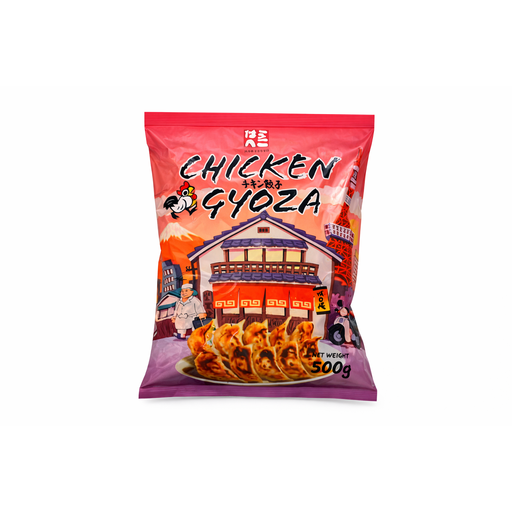
Why it suits this profile: A versatile pack for anyone trying frozen dumplings for the first time and wanting to choose between a frying pan, steamer basket or deep fryer.
The preparation instructions list three methods and state that defrosting is not required. This makes the pack suitable for use with a range of kitchen appliances.
500 grams, chicken and vegetable filling, 147 kcal and 1.1 grams of salt per 100 grams according to the product information.
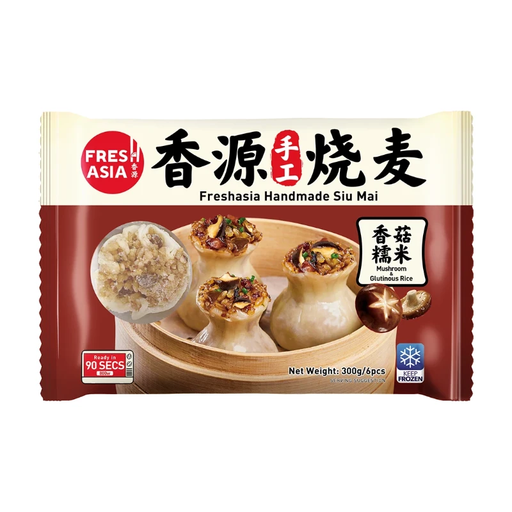
Why it suits this profile: Ideal for fans of Chinese dim sum who pay attention to the filling, dough and classic steaming method.
The packaging states that the siu mai should be steamed from frozen and that the product contains raw dough. This makes the required preparation clear.
300 grams, mushroom and glutinous rice filling, with a steaming time of 10 to 15 minutes. Contains wheat, soya and sesame.
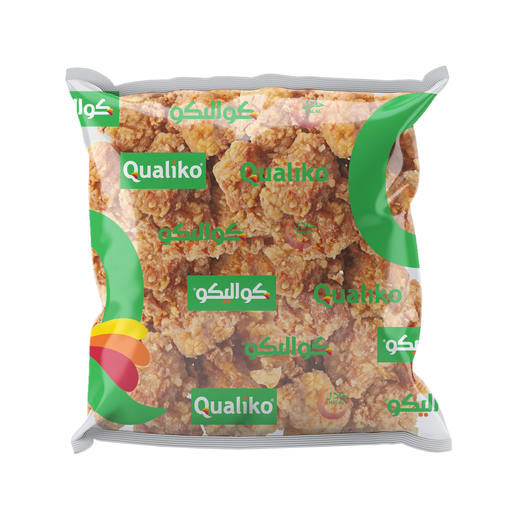
Why it suits this profile: Handy for households that regularly prepare a snack, meal component or platter for several people.
The packaging lists several preparation options, including the oven and air fryer. This means you are not limited to one type of cooking appliance.
1 kilo of coated chicken thigh pieces; suitable for a frying pan, oven, deep fryer and air fryer. Contains wheat and soya.
For a small Japanese snack, Bamboo Cuisine Onigiri with crispy chicken, tuna mayo or salmon mayo come in 100-gram portions. Pay particular attention to the listed allergens in these products, such as egg or mustard.
If you are looking for Korean flavours, consider bibigo Korean BBQ Gyoza Vegan, bibigo Beef Bulgogi Gyoza or Rengi’s Tteokbokki. The first is plant-based according to the product description, but it does contain wheat, soya and sesame. Tteokbokki consists of rice cakes and is often served with a spicy sauce.
For a dim sum platter, the 240-gram FRESHASIA Glutinous Rice Siu Mai and 360-gram SAN QUAN Custard Bun are also options. For seafood, Fresh ASIA Snow Crab Legs is a surimi product that can be used after defrosting in sushi, salads, hotpot dishes or stir-fries.
We have compiled a complete, up-to-date list of products that fully meet these strict selection criteria and the applicable European safety regulations.
Follow the instructions on the packaging and avoid boiling them too vigorously. For gyoza, pan-frying with a small amount of water often works well: fry the base first, then cook covered and allow the liquid to evaporate. Wontons are generally cooked gently in boiling water. Defrosting is not always necessary and can affect the texture of the dough.
Store them at -18 °C or below until the date shown on the packaging. Shelf life can vary from one product to another. Once defrosted, many products should be kept refrigerated and eaten within the stated period. Do not refreeze a product once it has defrosted.
That depends on the portion size and ingredients. A 100-gram onigiri is suitable as a light meal or snack. Gyoza, siu mai and chicken bites can be served with rice, noodles, soup or vegetables. For a complete meal, also check the salt content and allergen information.
