
Vandaag of morgen in huis

Kwaliteit gegarandeerd

Welkomstaanbiedingen ontgrendelen: GRATIS bezorging | Tot 80% korting | Gratis 30 dagen JoyPlus-proefperiode
Download de app
Asian frozen dumplings are a convenient choice for a quick dinner, a party snack, or a table filled with dim sum. All that remains is to choose between Chinese dumplings, Japanese gyoza, Korean varieties, shrimp dumplings, or vegetable dumplings.
That choice is less straightforward than the packaging may suggest. An appealing photo reveals little about the amount of filling, the cooking method, or the allergens. With this practical guide, you can compare Asian frozen dumplings based on verifiable criteria and avoid an unsuitable purchase.
A 600-gram bag may look appealing, but also consider the filling, cooking method and serving size. Some packs are designed for families, while a smaller bag is more convenient if you live alone or want to try several flavours.
Compare the price per 100 grams and check whether the dumplings are individually separated. The 600-gram Freshasia packs, for example, are designed for sharing. The Ajinomoto version lists 30 pieces, making it easier to divide into portions.
Words such as “traditional” or “authentic” are no substitute for a list of ingredients. Check which ingredient comes first in the filling and what percentage consists of meat, vegetables, or seafood.
For example, MENGFU Pork and Celery Raviolis 400g lists filling at 64.3%, including 24% pork and 18% Chinese celery. Freshasia Pork & Sweetcorn Dumplings lists 23% pork and 11% corn. This gives you a more reliable basis for comparison than the product name alone.
Not every dumpling is suited to the same pan. Gyoza are often intended for pan-frying, while ha kau is usually steamed. Some Chinese dumplings can be boiled, steamed, or cooked in a pan.
Also look for the instruction do not defrost. Several products recommend cooking them directly from frozen. Defrosting can soften the wrapper and cause the dumplings to stick together.
Start by choosing a filling that suits your meal:
Keep in mind that “vegetable” does not automatically mean a product is vegan. Sanquan Chinese Chive & Egg Dumplings, for example, contains egg and soy. Xiangyuan Vegetable Trio Dumplings contains peanuts and sesame.
The label should be checked for, among other things:
Always check the packaging again, especially if you have an allergy or intolerance. Product information may change. MENGFU lists wheat, soy, fish, and celery as allergens. Mooijer Ha Kau includes, among others, shellfish, fish, gluten, sesame, and soy.
For a quick meal, clear instructions are essential. Bibigo Kimchi Chicken Gyoza lists approximately seven minutes for pan-frying or around three minutes of deep-frying at 180 °C. According to the product information, KHY Chicken Gyoza can be pan-fried, deep-fried, or steamed.
If you do not have a deep fryer, choose a variety that can be prepared in a regular frying pan or steamer basket. Steaming is generally the preferred method for ha kau. Mooijer Ha Kau Shrimp Dumpling specifies eight to ten minutes of steaming from frozen. According to the product information, Ben’s Crystal Shrimp Dumplings can also be prepared in the microwave.
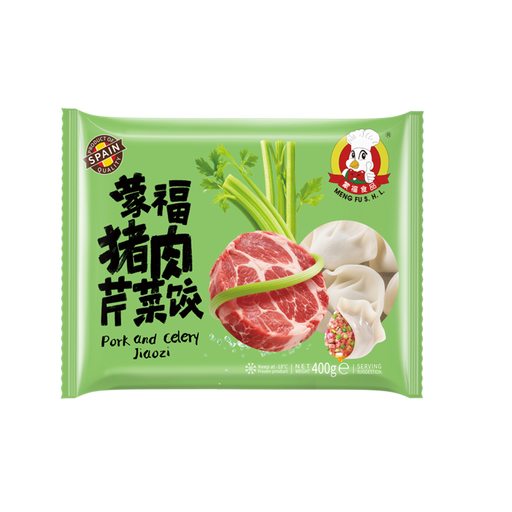
Why it fits: A compact pack for anyone who wants to try Chinese dumplings without immediately committing to a large value pack.
The product information clearly states the filling percentage and allergens, so you do not have to rely on the packaging alone.
400 grams with pork and Chinese celery; suitable for boiling, steaming, or pan-frying, depending on the chosen cooking method.
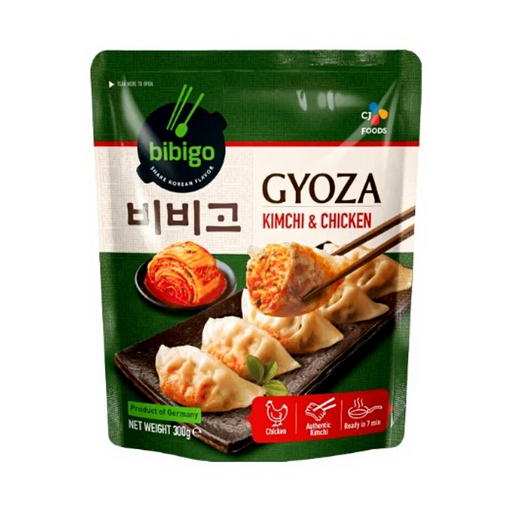
Why it fits: A practical choice for anyone looking for chicken gyoza with a distinctive kimchi flavour as a snack or quick meal.
The instructions provide specific times for pan-frying and deep-frying, so you are less reliant on generic cooking guidance.
The product description specifies approximately seven minutes in the pan or three minutes of deep-frying at 180 °C.
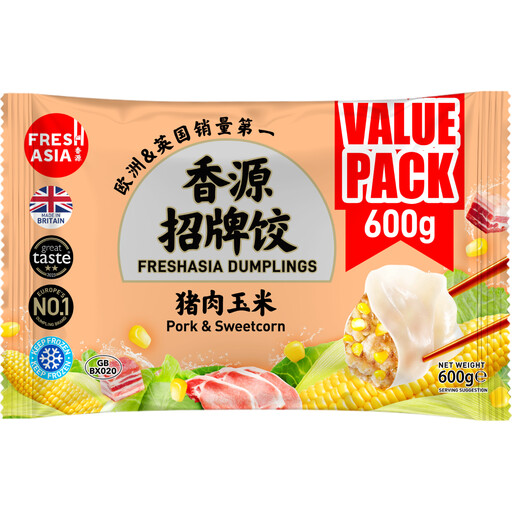
Why it fits: A larger pack for households that regularly serve dumplings at dinner or as part of a drinks spread.
The packaging states the 600-gram weight, filling ingredients, and storage at -18 °C or below. This lets you assess quantity and storage requirements in advance.
Dumplings with pork and sweetcorn; according to the product information, suitable for boiling, steaming, and pan-frying.
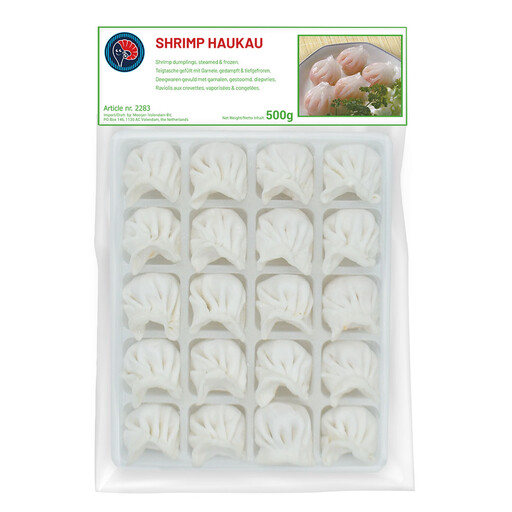
Why it fits: For anyone looking for a steamed dim sum dish with shrimp rather than pan-fried gyoza.
The cooking method is specific: steam for eight to ten minutes from frozen. This prevents you from accidentally frying or boiling the dumplings.
500 grams per pack and 25% shrimp according to the product information; ideal for a dim sum experience at home.
Always follow the instructions on the packaging. General guidelines include:
Store frozen dumplings at the specified temperature, usually -18 °C or below. According to the product information, defrosted products must not be refrozen. After opening, also check the use-by information on the packaging.
Browse our current range and compare fillings, pack sizes, and cooking methods before ordering your Asian frozen products.
The shelf life is stated on the packaging and applies as long as the product is stored at the specified temperature. MENGFU lists a shelf life of 18 months. Always check the specific date on your pack and do not refreeze a defrosted product.
Usually not. Many products in this selection specify that they should be boiled, steamed, or pan-fried directly from frozen. Defrosting can cause the dumplings to stick together or lose their shape. Follow the cooking instructions for the specific brand.
Gyoza generally refers to a Japanese dumpling, often with a thin wrapper and a pan-fried preparation. Chinese dumplings are a broader category that includes boiled and steamed varieties. Dim sum encompasses multiple small dishes, including ha kau and other steamed dumplings. The names provide a useful indication, but always check the ingredients and cooking method.
